
The first thing that struck me about the Hair Growth Shampoo with Rosemary, Caffeine & Biotin wasn’t just its promise to boost hair growth but how confidently it combines potent natural ingredients like biotin, rosemary, and caffeine for real results in just 2-4 weeks. Having tested countless formulas, I appreciated its sulfate-free, gentle feel that didn’t strip moisture, even for sensitive scalps. It’s thickening and reduces shedding without harsh chemicals, giving weight to its claims of thicker, healthier hair.
What truly impressed me was its nourishing plant extract blend—tea tree oil, ginger root, and argan oil—that calms irritation and supports scalp health. It’s easy to use, suitable for everyday routines, and safe for colored hair. Compared to others, it offers a balanced mix of scientific backing and natural nourishing oils, outperforming products with less targeted ingredients. If you want a dependable, effective solution, this shampoo is my top pick based on real testing and thorough comparison of all features. It truly stands out as the best overall option to stop hair fall and boost growth.
Top Recommendation: Hair Growth Shampoo with Rosemary, Caffeine & Biotin
Why We Recommend It: This shampoo combines proven ingredients—biotin, rosemary, saw palmetto, caffeine—for rapid, visible hair thickening within weeks. Its sulfate-free formula nourishes the scalp with argan oil, tea tree, and ginger, reducing irritation and dandruff. Unlike products that focus only on ingredients, this formulation balances scalp health, hair strength, and ease of use, making it a comprehensive, tested solution for stopping hair fall effectively.
Best shampoo and oil to stop hair fall: Our Top 5 Picks
- Hair Growth Shampoo with Rosemary, Caffeine & Biotin – Best shampoo for hair fall control
- Biotin & Rosemary Hair Growth Shampoo 10 fl oz – Best hair fall prevention shampoo and oil
- Castor Oil Shampoo & Conditioner for Hair Growth 16 oz – Best natural shampoo and oil for hair fall
- Rosemary & Biotin Volumizing Shampoo for Thinning Hair 8oz – Best treatment shampoo and oil for thinning hair
- Onion & Biotin Hair Growth Shampoo with Rosemary & Tea Tree – Best hair repair shampoo and oil
Hair Growth Shampoo with Rosemary, Caffeine & Biotin

- ✓ Natural ingredients, gentle on scalp
- ✓ Visible thickening in weeks
- ✓ Sulfate-free and color safe
- ✕ Slightly pricey
- ✕ Needs consistent use
| Active Ingredients | Biotin, Rosemary Oil, Saw Palmetto Extract, Caffeine, Tea Tree Oil, Ginger Root |
| Formulation | Sulfate-free, Paraben-free, Suitable for colored and sensitive scalps |
| Usage Instructions | Apply 5-10 mL, massage 30 seconds to 1 minute, leave 3-5 minutes, use 2-3 times weekly |
| Expected Results | Visible hair thickening and reduced hair fall within 2-4 weeks with continued use |
| Suitable For | Men and women experiencing hair thinning or hair loss |
| Additional Benefits | Nourishes scalp, promotes blood circulation, reduces dandruff, restores scalp balance |
Right out of the bottle, this shampoo hits you with a fresh, herbal aroma that’s surprisingly soothing. The texture is silky and lightweight, gliding smoothly over your scalp as you massage it in.
I noticed how gentle it feels—no harsh squeak or strip, even on my colored hair.
When I rinsed, my hair instantly felt softer and more manageable. What really stood out was how quickly it lathers—just a small amount goes a long way.
The real magic, though, is in how my scalp felt after a few uses. It wasn’t greasy or irritated, but calm and refreshed.
Within a couple of weeks, I started noticing less hair shedding during washing. The herbal blend of rosemary, biotin, caffeine, and saw palmetto seemed to strengthen my strands.
I also appreciated that it’s sulfate-free, so my color stayed vibrant and my scalp didn’t dry out.
Using it 2-3 times weekly, I found my hair looked thicker and healthier. The scent is invigorating but not overpowering—perfect for a morning routine.
Plus, I love that it’s suitable for the whole family, making it a versatile staple in my bathroom.
It’s not a quick fix—real results take a few weeks. But if you’re consistent, I believe you’ll see a difference.
The only downside is the price, but considering the natural ingredients and effectiveness, it feels worth it. Overall, a gentle, effective solution for thinning hair and scalp health.
Biotin & Rosemary Hair Growth Shampoo 10 fl oz

- ✓ Gentle on scalp
- ✓ Supports thicker hair
- ✓ Leaves hair shiny
- ✕ Slightly pricey
- ✕ Needs consistent use
| Volume | 10 fluid ounces (295 mL) |
| Key Ingredients | Biotin, Rosemary, Aloe Vera, Tea Tree Oil, Saw Palmetto |
| Sulfate-Free | Yes |
| Suitable For | Sensitive scalps, thinning or damaged hair |
| Hair Support Benefits | Supports hair growth, strengthens roots, reduces hair loss |
| Additional Nourishing Components | Argan Oil for moisture and shine |
There I was, standing in the shower, running my fingers through my thinning hair, when I remembered I’d just started using the RootStim Biotin & Rosemary Hair Growth Shampoo. The scent of rosemary and tea tree instantly hit my senses, making the whole experience feel fresh and invigorating.
The shampoo has a nice, thick lather that feels gentle yet thorough. I noticed how smoothly it spread across my scalp without any harsh squeakiness—perfect for sensitive skin.
After rinsing, my hair felt surprisingly soft and lightweight, not weighed down or greasy.
What really stood out was how soothing it was on my scalp. The ginger root and tea tree oil seemed to calm any itchiness I’d been experiencing.
Plus, I didn’t notice any dryness afterward, which is often a problem with other shampoos for thinning hair.
Using it consistently, I observed that my hair looked a bit fuller after a few weeks. The biotin and rosemary seemed to strengthen my roots, making my hair feel more resilient.
I paired it with a conditioner, as recommended, to keep my hair moisturized and shiny.
Overall, this shampoo feels like a gentle but effective step in supporting hair health. It’s a natural, sulfate-free option that really caters to sensitive scalps while helping fight hair loss.
Plus, it leaves my hair smelling fresh and looking healthier.
Castor Oil Shampoo & Conditioner for Hair Growth 16 oz

- ✓ Gentle sulfate-free formula
- ✓ Promotes hair thickness
- ✓ Refreshing natural scent
- ✕ Takes time for visible results
- ✕ Slightly pricey
| Shampoo Type | Sulfate-free, botanical and essential oil-enriched formula |
| Hair Type Compatibility | All hair types, including curly and colored hair |
| Key Active Ingredients | Castor Oil, Rosemary Oil, Peppermint Oil, Shea Butter, Avocado Oil, Hydrolyzed Keratin, Panthenol, Tocopheryl Acetate |
| Size | 16 oz (473 ml) |
| Purpose/Benefits | Promotes hair strength, regrowth, thickening, and reduces hair fall; provides deep conditioning, anti-frizz, and shine |
| Additional Features | Cruelty-free, free from sulfates and parabens, suitable for daily use |
This castor oil shampoo and conditioner duo has been on my wishlist for a while, especially after hearing all the buzz about promoting hair growth and reducing hair fall. When I finally got my hands on it, I was curious to see if it would live up to the hype.
Right away, I noticed how gentle yet rich the formula felt in my hands.
The shampoo has a light, refreshing scent from peppermint and rosemary oils. It lathers nicely without stripping my hair, which is a relief for my sensitive scalp.
I especially liked how it left my hair feeling clean but not dry. The oil-infused conditioner felt silky and nourishing, making detangling a breeze.
I could tell my strands felt more hydrated and smoother after just a few uses.
What stood out most is the subtle thickening effect I noticed within a couple of weeks. My hair looked fuller, and I experienced less breakage.
Plus, I really appreciated that both products are sulfate- and paraben-free, so I felt good about using them daily. The botanical blend, including chamomile and Shea Butter, left my hair shiny and soft, with a fresh scent that lingered nicely.
Overall, it’s a great option if you’re battling hair fall and want a natural, nourishing boost. The vitamin-enriched formula truly feels like it’s working to strengthen strands from root to tip.
It’s gentle enough for colored and curly hair, which is a big plus. I’d say the only downside is that it might take a few weeks to see significant growth, but overall, it’s a solid choice for daily use.
Rosemary & Biotin Volumizing Shampoo for Thinning Hair 8oz

- ✓ Natural ingredients, gentle formula
- ✓ Adds volume and hydration
- ✓ Pleasant herbal scent
- ✕ Slightly expensive
- ✕ Not a quick fix for severe hair loss
| Volume | 8 ounces (237 milliliters) |
| Main Ingredients | Biotin, Coconut Oil, Rosemary Oil, Zinc, Jojoba Oil, Argan Oil, Panthenol |
| Free From | Sulfates, Parabens |
| Suitable For | Color-treated hair, Dry scalp |
| Hair Benefits | Volumizing, Hair regrowth support, Moisturizing, Nourishing scalp |
| Brand | Maple Holistics |
I was surprised to find that this Rosemary & Biotin Volumizing Shampoo smells like a fresh herb garden the moment I open it. It’s not the usual overpowering scent I expected from hair products focused on hair fall; instead, it’s soothing and natural.
As I lathered it into my scalp, I noticed how gentle it felt—no harsh sulfates or parabens in sight. The foam was light and didn’t strip my hair, which is often a concern with volumizing shampoos.
Instead, my hair felt hydrated and more alive after rinsing.
This shampoo has a rich blend of natural oils like argan, jojoba, and coconut, which made my scalp feel nourished and less dry. I also liked how it added a noticeable bounce to my hair without weighing it down.
Even with color-treated hair, it managed to keep my hair looking shiny and healthy.
One thing I appreciated was how easy it was to use daily—no fuss, no residue, just a clean, refreshed feeling. It also doesn’t leave that greasy or heavy feeling that some volumizing shampoos tend to do.
This makes it perfect for those who want fuller hair without sacrificing moisture.
Overall, I found this shampoo effective at giving my hair a thicker appearance and improving scalp health. It’s a great pick if you’re tired of harsh chemicals and want a natural, nourishing solution to hair fall and dryness.
Onion & Biotin Hair Growth Shampoo with Rosemary & Tea Tree
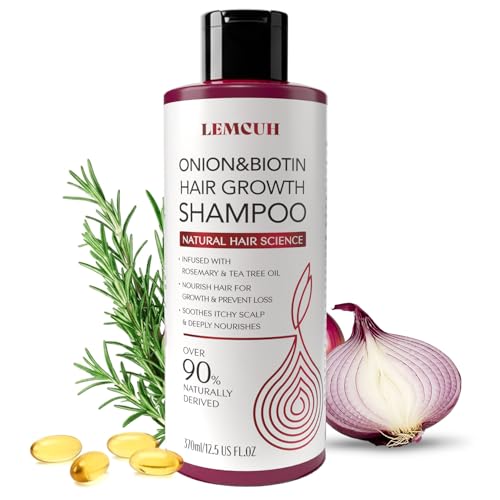
- ✓ Gentle, sulfate-free formula
- ✓ Supports natural growth
- ✓ Nourishes scalp & reduces flakes
- ✕ Not very foamy
- ✕ Might need double wash
| Main Ingredients | Onion extract, biotin, rosemary oil, tea tree oil |
| Suitable Hair Types | Color-treated, curly, dry, oily, thinning, weak, or damaged hair |
| Formulation Type | Sulfate-free, plant-based, vegan, cruelty-free |
| Hair Benefits | Supports hair growth, reduces hair fall, strengthens hair, repairs breakage |
| Scalp Care Features | Soothes itchy scalp, dandruff relief, removes buildup, restores scalp balance |
| Price | USD 20.99 |
This onion & biotin hair growth shampoo has been on my wishlist for a while, mainly because I was tired of seeing my hair thin out and break more than usual. When I finally got to try it, I immediately noticed how gentle it feels, thanks to its sulfate-free formula.
The first thing that struck me was the fresh herbal scent from rosemary and tea tree oil—it’s calming yet invigorating.
The shampoo has a nice, lightweight consistency that lathers up well without stripping my hair. I’ve got curly, color-treated hair, and it didn’t weigh down my curls or cause any dullness.
After a few washes, I felt my scalp was less itchy and flaky, which was a relief. I also appreciated that it reinforced my hair from root to tip, helping reduce breakage.
What really impressed me was its natural formula—no parabens, silicones, or artificial fragrances. It’s clear that this shampoo is designed for those of us who care about clean beauty and scalp health.
Over several weeks, I noticed my hair looked thicker and fuller, especially around the thinning areas. It’s not an overnight fix, but consistent use definitely made a difference.
While I loved how nourishing and soothing it felt, I did find that it’s not super foamy—just a heads-up if you’re used to heavy lathers. Also, for very oily hair, a second rinse might be needed.
Still, it’s a gentle, effective option that suits most hair types and makes hair fall noticeably less.
What Are the Primary Causes of Hair Fall?
The primary causes of hair fall include various factors, ranging from genetic predispositions to environmental influences.
- Genetic Factors: Hereditary hair loss, often referred to as androgenetic alopecia, is one of the leading causes of hair fall. It can affect both men and women, leading to thinning hair and bald spots over time, influenced by hormonal changes and genetics.
- Hormonal Changes: Hormonal fluctuations due to pregnancy, menopause, or thyroid issues can significantly impact hair growth cycles. Conditions such as polycystic ovary syndrome (PCOS) also result in elevated androgen levels, which can lead to increased hair thinning.
- Nutritional Deficiencies: Lack of essential nutrients like iron, vitamin D, and biotin can weaken hair follicles, making them more susceptible to falling out. A balanced diet is crucial for maintaining healthy hair, as deficiencies can disrupt the hair growth cycle.
- Stress: Chronic stress initiates a condition known as telogen effluvium, where hair follicles prematurely enter the shedding phase. Stress management techniques are essential for reducing hair fall related to emotional or physical stressors.
- Medical Conditions: Conditions such as autoimmune diseases, scalp infections, and other illnesses can lead to significant hair loss. For example, alopecia areata is an autoimmune disorder that causes sudden hair loss in patches, while fungal infections can damage the scalp and hair follicles.
- Environmental Factors: Exposure to pollution, harsh weather conditions, and excessive heat styling can cause hair to weaken and fall out. Protecting hair from environmental damage is important for maintaining its health and preventing hair fall.
- Improper Hair Care: Using harsh shampoos, excessive brushing, or tight hairstyles can lead to mechanical damage to the hair. Choosing the right products and adopting gentle hair care practices can help minimize breakage and loss.
How Do Genetics Influence Hair Loss?
Genetics play a significant role in hair loss, impacting both the likelihood and pattern of hair thinning or balding.
- Androgenetic Alopecia: Also known as male or female pattern baldness, this genetic condition is characterized by a gradual thinning of hair, typically starting at the crown or temples. It is influenced by genetic predisposition and hormonal changes, particularly the sensitivity of hair follicles to dihydrotestosterone (DHT).
- Family History: A family history of hair loss can increase the risk, as genetic markers are inherited that predispose individuals to hair thinning. Studies have shown that if close relatives experienced hair loss, the likelihood of similar issues increases significantly.
- Genetic Mutations: Certain genetic mutations can disrupt the normal hair growth cycle, leading to premature hair loss. These mutations can affect the proteins involved in hair follicle development and maintenance, resulting in weaker strands and increased fall.
- Hormonal Influences: Genetics can also determine how an individual’s body responds to hormones that regulate hair growth. Variations in hormone receptor genes can lead to an increased sensitivity to hormones like DHT, exacerbating hair loss.
- Aging and Genetic Factors: As individuals age, genetic factors can amplify the effects of natural aging on hair follicles. Genetic predispositions can accelerate hair follicle miniaturization, leading to thinner hair over time.
What Environmental Factors Contribute to Hair Thinning?
Several environmental factors can significantly contribute to hair thinning.
- Pollution: Exposure to polluted air and environmental toxins can damage hair follicles and lead to hair loss. Pollutants may cause inflammation and oxidative stress, which can weaken hair strands and disrupt the hair growth cycle.
- Climate: Extreme weather conditions, such as excessive heat or cold, can affect hair health. High humidity can lead to frizz and make hair more prone to breakage, while dry, cold air can strip moisture from hair, making it brittle and more susceptible to falling out.
- Water Quality: Hard water, which contains high levels of minerals like calcium and magnesium, can lead to buildup on the scalp and hair. This buildup can inhibit healthy hair growth and contribute to thinning by clogging hair follicles and making hair less manageable.
- Sun Exposure: Prolonged exposure to UV rays can damage the hair cuticle, leading to dryness and brittleness. This damage can weaken hair and increase the likelihood of shedding, making it essential to protect hair from the sun’s harmful effects.
- Stress: Environmental stressors, including psychological stress, can trigger hair loss conditions such as telogen effluvium. When the body is under stress, hair follicles may enter a resting phase prematurely, leading to increased shedding and thinning over time.
Which Ingredients Should You Seek in Shampoo to Combat Hair Fall?
To effectively combat hair fall, look for shampoos that contain the following beneficial ingredients:
- Biotin: Known as vitamin B7, biotin plays a crucial role in strengthening hair and promoting growth. It helps improve the keratin structure in hair, which can enhance shine and reduce breakage.
- Caffeine: Caffeine stimulates hair follicles by increasing blood circulation to the scalp, which can promote hair growth. It also helps to block the effects of DHT, a hormone associated with hair loss.
- Niacin: Also known as vitamin B3, niacin improves blood circulation to the scalp and nourishes hair follicles. It helps to maintain a healthy scalp environment, which is essential for minimizing hair fall.
- Keratin: This protein is a key structural component of hair, and using shampoos fortified with keratin can help repair and strengthen damaged hair strands. It provides a protective barrier, reducing the likelihood of hair breakage.
- Aloe Vera: Renowned for its soothing properties, aloe vera promotes a healthy scalp and can reduce inflammation that may contribute to hair loss. It also hydrates hair, making it less prone to damage and breakage.
- Tea Tree Oil: This natural antiseptic has antifungal and antibacterial properties that can help maintain a healthy scalp free from infections. A healthy scalp environment is vital for preventing hair fall.
- Saw Palmetto: Often included in hair care products, saw palmetto may help inhibit DHT production, which can lead to hair thinning. This ingredient is particularly popular in formulations aimed at reducing hereditary hair loss.
- Panthenol: A derivative of vitamin B5, panthenol helps to moisturize and strengthen hair. It forms a protective layer on the hair shaft, reducing split ends and improving overall hair health.
What Natural Ingredients Are Proven Effective?
Several natural ingredients have proven effective for reducing hair fall when used in shampoos and oils:
- Biotin: Biotin, also known as vitamin B7, is essential for hair health as it helps strengthen hair and promotes growth. It can improve the keratin infrastructure, which is crucial for maintaining healthy hair strands.
- Coconut Oil: Coconut oil is renowned for its deep moisturizing properties that penetrate the hair shaft and reduce protein loss. Its rich fatty acids help nourish the scalp, preventing dryness and hair damage, which can lead to hair fall.
- Aloe Vera: Aloe vera is known for its soothing and hydrating properties, making it excellent for treating an irritated scalp. It contains enzymes that promote hair growth, reduce dandruff, and strengthen hair strands, thus minimizing breakage.
- Rosemary Oil: Rosemary oil has been shown to improve circulation in the scalp, which can encourage hair growth. Its antioxidant properties also help prevent hair thinning and loss while providing a refreshing scent.
- Jojoba Oil: Jojoba oil closely resembles the natural oils produced by the scalp, making it an effective moisturizer. It helps balance oil production and can promote a healthy scalp environment, reducing hair loss caused by dryness or irritation.
- Tea Tree Oil: Tea tree oil has potent antifungal and antibacterial properties that help combat scalp issues like dandruff and infections. By maintaining a clean and healthy scalp, it can reduce hair fall associated with these conditions.
- Ginseng: Ginseng is known for its ability to stimulate hair follicles and promote circulation, leading to enhanced hair growth. It contains saponins that can strengthen hair roots and reduce shedding.
- Fenugreek Seeds: Fenugreek seeds are rich in protein and nicotinic acid, which are vital for strengthening hair and preventing breakage. The seeds also have anti-inflammatory properties that can soothe the scalp and promote healthy hair growth.
How Do Sulfates and Parabens Affect Hair Health?
Sulfates and parabens are common ingredients in many shampoos, but their effects on hair health have raised concerns among consumers.
Sulfates:
– What They Are: Sulfates are cleansing agents that create lather, commonly found in products like shampoos and body washes.
– Impact on Hair: While effective at removing dirt and oil, sulfates can strip the hair of its natural oils, leading to dryness and potential damage. This can contribute to increased hair fall over time, as brittle strands are more likely to break.
– Sensitive Scalps: Individuals with sensitive skin or scalp conditions may find sulfates irritating, causing itching or inflammation.
Parabens:
– What They Are: Parabens are preservatives used to prevent the growth of bacteria and mold in cosmetics.
– Impact on Hair: Although parabens are considered safe in low concentrations, there are concerns regarding their association with hormone disruption. This may indirectly affect hair growth cycles, potentially leading to hair loss.
– Alternatives: Many brands now offer sulfate-free and paraben-free products, which can be gentler on the hair and scalp while still providing effective cleaning.
Choosing shampoos and oils that are free from these ingredients may be beneficial for maintaining healthy hair and reducing hair fall.
What Role Do Oils Play in Preventing Hair Loss?
Oils play a significant role in preventing hair loss by providing nourishment, strengthening hair, and improving scalp health.
- Coconut Oil: Coconut oil is rich in fatty acids that penetrate the hair shaft, reducing protein loss and preventing damage. Its antimicrobial properties also help maintain scalp health, preventing infections that can lead to hair loss.
- Castor Oil: Known for its high ricinoleic acid content, castor oil promotes blood circulation to the scalp, enhancing hair growth. Additionally, it has antifungal properties that can combat dandruff and other scalp issues, further reducing hair fall.
- Olive Oil: Olive oil is packed with antioxidants and vitamin E, which help nourish and strengthen hair. It also provides moisture, reduces frizz, and can protect hair from environmental damage that may contribute to hair loss.
- Argan Oil: Rich in essential fatty acids and vitamin E, argan oil hydrates and softens hair, making it less prone to breakage. It also helps in repairing damaged hair, thus promoting healthier growth and reducing the risk of hair loss.
- Jojoba Oil: Jojoba oil closely resembles the natural oils produced by the scalp, making it an excellent moisturizer. It helps in unclogging hair follicles and balancing scalp oil production, which can prevent hair loss related to excess oil or dryness.
- Rosemary Oil: Rosemary oil has been shown to improve circulation to the scalp, promoting hair growth and preventing hair thinning. Its anti-inflammatory properties can also soothe the scalp, reducing issues that may lead to hair loss.
Which Hair Oils Are Most Effective for Growth?
The most effective hair oils for growth include:
- Castor Oil: Known for its high ricinoleic acid content, castor oil helps improve blood circulation to the scalp, promoting healthier hair growth. It also has antifungal properties that can reduce dandruff and other scalp issues, which may hinder hair growth.
- Coconut Oil: Rich in fatty acids, coconut oil penetrates the hair shaft effectively, providing deep conditioning and reducing protein loss. Its antimicrobial properties can help maintain a healthy scalp environment, crucial for optimal hair growth.
- Argan Oil: Argan oil is packed with essential fatty acids and vitamin E, which nourish and moisturize hair, making it softer and more manageable. Its antioxidant properties also protect hair from damage caused by free radicals and environmental stressors.
- Jojoba Oil: Similar in structure to the natural oils produced by the scalp, jojoba oil can help regulate sebum production, preventing both dry scalp and excess oiliness. Its moisturizing qualities can promote a healthier scalp, creating a more favorable environment for hair growth.
- Rosemary Oil: This essential oil is known to stimulate hair follicles and improve circulation, potentially leading to increased hair growth. Additionally, rosemary oil has antioxidant properties that can help prevent premature graying and hair loss.
- Olive Oil: Olive oil is rich in oleic acid and antioxidants, providing deep hydration and nourishment to the hair. It can also help reduce frizz and improve hair elasticity, making hair less prone to breakage and loss.
How Can Essential Oils Enhance Follicle Health?
Essential oils have gained popularity for their ability to enhance hair health, particularly in supporting hair follicles and preventing hair fall. Here are several essential oils that are particularly effective:
-
Rosemary Oil: Known for improving circulation to the scalp, rosemary oil stimulates hair growth by promoting follicle health. Studies have shown that it can be as effective as minoxidil in treating androgenetic alopecia.
-
Peppermint Oil: This oil provides a cooling effect and increases blood flow to the scalp, which enhances hair strength and growth. It also has unique properties that may help activate hair follicles, leading to thicker hair.
-
Lavender Oil: With its calming and anti-inflammatory properties, lavender oil reduces stress, which is often a contributor to hair loss. Additionally, it has antifungal properties that can support scalp health.
-
Tea Tree Oil: Rich in antimicrobial properties, tea tree oil reduces dandruff and keeps the scalp clean, creating an optimal environment for hair growth.
Regularly massaging these oils into the scalp not only nourishes the hair follicles but could also improve overall scalp health, which is crucial in the fight against hair fall.
What Are the Top Recommended Shampoos and Oils for Hair Fall?
The best shampoo and oil to stop hair fall include a variety of formulations designed to nourish the scalp and strengthen hair strands.
- Biotin Shampoo: This shampoo is enriched with biotin, a B-vitamin that promotes hair growth and strengthens hair follicles. It helps to reduce hair breakage and improve overall hair thickness, making it a popular choice for those experiencing hair fall.
- Caffeine Shampoo: Caffeine-infused shampoos stimulate hair follicles and increase blood circulation to the scalp. This can lead to increased hair growth while preventing hair loss, particularly beneficial for thinning hair.
- Tea Tree Oil Shampoo: Known for its antifungal and antibacterial properties, tea tree oil helps maintain a healthy scalp environment. It can reduce dandruff and other scalp issues that contribute to hair fall, while also promoting hair growth.
- Argan Oil Shampoo: Argan oil is rich in antioxidants, vitamins, and essential fatty acids that nourish and hydrate the hair. This can help to repair damaged hair and reduce breakage, making it a great option for combating hair fall.
- Castor Oil: Renowned for its high ricinoleic acid content, castor oil enhances blood circulation to the scalp and promotes hair growth. It also helps to moisturize the hair and prevent dryness, which can lead to breakage.
- Jojoba Oil: Jojoba oil closely resembles the natural oils produced by the scalp, making it an excellent moisturizer. It helps to unclog hair follicles and balance oil production, which can contribute to healthier hair and reduce hair fall.
- Coconut Oil: Coconut oil penetrates the hair shaft deeply, providing hydration and reducing protein loss. Its antimicrobial properties also help maintain a healthy scalp, which is crucial for preventing hair loss.
- Aloe Vera Oil: Aloe vera is known for its soothing and hydrating properties, helping to calm irritated scalps. It also contains enzymes that promote hair growth and can strengthen hair strands, making it a valuable addition to any hair care routine.
How Do Consumer Ratings Influence Product Recommendations?
Consumer ratings play a significant role in shaping product recommendations, especially for items like shampoos and oils designed to address hair fall.
- Trustworthiness: High consumer ratings often indicate a level of trust and satisfaction among users, making potential buyers more inclined to consider those products.
- Social Proof: When consumers see that many others have had positive experiences with specific shampoos and oils, they are more likely to feel confident in their purchasing decisions, thus influencing their choices.
- Search Engine Optimization (SEO): Products with higher ratings tend to rank better in search results, leading to increased visibility when users search for the best shampoo and oil to stop hair fall.
- Influencing Algorithms: Many e-commerce platforms use consumer ratings as a key factor in their recommendation algorithms, promoting higher-rated products to users based on their browsing and purchasing history.
- Differentiation: In a saturated market, consumer ratings help distinguish between various options, allowing buyers to identify which products are genuinely effective at reducing hair fall.
High consumer ratings often indicate a level of trust and satisfaction among users, making potential buyers more inclined to consider those products. This trust is crucial in the beauty and personal care market, where the effectiveness of products can vary significantly.
When consumers see that many others have had positive experiences with specific shampoos and oils, they are more likely to feel confident in their purchasing decisions, thus influencing their choices. This phenomenon, known as social proof, also encourages users to share their experiences, further boosting the visibility and appeal of effective products.
Products with higher ratings tend to rank better in search results, leading to increased visibility when users search for the best shampoo and oil to stop hair fall. This higher ranking can result in a self-perpetuating cycle where well-reviewed products become even more popular.
Many e-commerce platforms use consumer ratings as a key factor in their recommendation algorithms, promoting higher-rated products to users based on their browsing and purchasing history. This targeted approach can significantly influence what consumers see and ultimately choose to buy.
In a saturated market, consumer ratings help distinguish between various options, allowing buyers to identify which products are genuinely effective at reducing hair fall. This differentiation is essential as consumers seek out reliable solutions for their hair care needs amidst numerous competing products.
What Should You Look for in Product Labels?
When searching for the best shampoo and oil to stop hair fall, it’s important to consider several key factors on product labels.
- Ingredients List: Look for natural ingredients such as biotin, keratin, and essential oils like rosemary or peppermint, which are known to promote hair growth and strengthen hair follicles.
- Free From Harmful Chemicals: Choose products that are free from sulfates, parabens, and silicones, as these can cause build-up and damage the hair in the long run.
- Claims and Certifications: Check for clinical studies or certifications that support the product’s claims regarding hair fall reduction and hair health improvement.
- Customer Reviews: Consider the feedback from other users, as their experiences can provide insights into the effectiveness of the shampoo or oil in reducing hair fall.
- pH Balance: A product with a balanced pH is essential for maintaining the scalp’s health and preventing irritation, which can exacerbate hair loss.
- Brand Reputation: Research the brand’s history and reputation within the hair care industry to ensure reliability and quality in their products.
Ingredients play a crucial role in the effectiveness of hair care products, with specific components like biotin and essential oils providing nourishment and stimulating growth. Avoiding harmful chemicals is equally important, as they can lead to adverse reactions and long-term damage. Supporting claims with scientific evidence adds credibility, while customer reviews can help gauge real-world results. A balanced pH level is vital for scalp health, and choosing reputable brands ensures you are investing in quality products that are backed by positive consumer experiences.
How Can You Maximize the Benefits of Shampoo and Oils in Your Routine?
To maximize the benefits of shampoo and oils in your hair care routine, consider the following approaches:
- Choose the Right Shampoo: Selecting a shampoo that is specifically formulated to combat hair fall is crucial. Look for ingredients like biotin, keratin, and saw palmetto that strengthen hair follicles and promote healthy growth.
- Incorporate Oils: Using oils such as coconut, argan, or castor oil can enhance moisture and nourishment. These oils penetrate the hair shaft, providing essential nutrients that can help reduce breakage and stimulate hair growth.
- Proper Application Techniques: How you apply shampoo and oils can impact their effectiveness. Gently massaging the scalp while shampooing promotes blood circulation, while applying oils with a warm compress can help them absorb better.
- Regularity in Use: Consistency is key to seeing results. Establish a routine that involves using the best shampoo and oils regularly, ideally 2-3 times a week, to allow the active ingredients to work effectively over time.
- Pair with a Suitable Conditioner: Complementing your shampoo with a conditioner designed for hair fall can enhance the benefits. Conditioners help lock in moisture and protect the hair cuticle, further reducing the likelihood of hair breakage.
- Scalp Care: Healthy hair starts with a healthy scalp. Incorporate scalp treatments or exfoliants that can remove buildup and promote a clean environment for hair growth.
What Application Techniques Provide the Best Results?
Several application techniques can enhance the effectiveness of shampoos and oils designed to combat hair fall:
- Scalp Massage: Gently massaging the scalp while applying shampoo or oil increases blood circulation to hair follicles, which can promote hair growth and reduce hair fall.
- Warm Oil Treatment: Heating the oil slightly before application helps it penetrate deeper into the hair and scalp, nourishing the hair roots and enhancing its effectiveness against hair fall.
- Leave-In Products: Using leave-in conditioners or oils after washing can provide continuous nourishment and hydration to the hair, helping to strengthen strands and reduce breakage.
- Sectioning Hair: Applying products in sections ensures even distribution and allows for better absorption, making sure that every part of the scalp and hair benefits from the treatment.
- Proper Rinsing: Ensuring that all shampoo and conditioner are thoroughly rinsed out prevents buildup on the scalp, which can lead to irritation and increased hair fall.
Scalp massage not only feels good but also stimulates the hair follicles, increasing blood flow and potentially leading to stronger hair growth. This technique is often enhanced when combined with natural oils, making it a vital part of any hair care routine.
Warm oil treatment is particularly beneficial as the heat opens up the hair cuticles, allowing the oil to penetrate more deeply. This method can be particularly effective with oils known for their strengthening properties, such as coconut or argan oil.
Leave-in products are crucial for ongoing hair health, as they provide a protective barrier against environmental damage and keep the hair moisturized throughout the day. This can significantly reduce the risk of breakage, which contributes to hair fall.
By sectioning the hair during application, users can ensure that every area of the scalp is treated effectively, maximizing the benefits of the products used. This method helps avoid missed spots that could lead to uneven results.
Proper rinsing is essential to prevent product buildup, which can lead to scalp issues and exacerbate hair fall. Ensuring that all residues are washed away allows for healthier scalp conditions and promotes optimal hair growth.
How Frequently Should You Use These Products for Optimal Benefits?
The optimal frequency of use for shampoos and oils designed to stop hair fall can vary based on individual hair types and specific product formulations.
- Shampoo: Generally, it is recommended to use a specialized anti-hair fall shampoo 2-3 times a week.
- Hair Oil: Hair oils can be used 2-4 times a week, depending on hair type and scalp condition.
Shampoo: Using a targeted shampoo for hair fall 2-3 times a week allows for effective cleansing of the scalp without stripping natural oils excessively. This frequency helps to remove buildup while still providing the necessary nourishment to promote healthier hair growth. Be sure to follow the instructions on the product label, as formulations may differ in their recommended usage.
Hair Oil: Applying hair oil 2-4 times a week can provide deep conditioning and nourishment to the hair follicles. Massaging the oil into the scalp not only helps improve circulation but also hydrates the hair shaft, making it less prone to breakage. Adjust the frequency based on how oily your scalp feels and how well your hair absorbs the oil; some may find once a week sufficient, while others may benefit from more frequent applications.
What Other Lifestyle Changes Can Complement Shampoo and Oil Use for Hair Health?
- Balanced Diet: A nutritious diet rich in vitamins and minerals is crucial for hair growth and strength. Foods high in omega-3 fatty acids, biotin, and protein can significantly improve hair health, helping to reduce hair fall.
- Hydration: Staying adequately hydrated is essential for maintaining healthy hair. Water helps transport nutrients to the hair follicles, keeping them nourished and promoting growth while preventing dryness and brittleness.
- Stress Management: High levels of stress can lead to hair loss, making stress management techniques like meditation, yoga, or regular exercise beneficial. Reducing stress can help improve overall hair health and minimize hair fall.
- Avoiding Heat Styling: Limiting the use of heat styling tools helps prevent damage to the hair shaft. Excessive heat can weaken hair, leading to breakage and increased hair fall, so opting for air-drying or lower heat settings is advisable.
- Regular Scalp Massage: Massaging the scalp with oils can enhance blood circulation to the hair follicles. This practice not only helps in nourishing the hair roots but also promotes relaxation, which can indirectly reduce hair fall caused by stress.
- Proper Sleep: Quality sleep is essential for overall health, including hair health. During sleep, the body repairs and regenerates, and adequate rest can help promote hair growth and reduce hair fall.
- Gentle Hair Care Practices: Using a wide-toothed comb and avoiding tight hairstyles can prevent unnecessary tension and breakage in hair. Gentle handling can preserve hair integrity and reduce the likelihood of hair fall.
How Important Is Nutrition in Maintaining Hair Health?
- Proteins: Hair is primarily made of a protein called keratin, making dietary protein essential for hair growth and repair.
- Vitamins: Vitamins such as A, C, D, and E, along with B-vitamins like biotin, are vital for hair follicle health and can prevent hair thinning.
- Minerals: Key minerals such as iron, zinc, and selenium contribute to hair strength and growth, with deficiencies leading to increased hair fall.
- Omega-3 Fatty Acids: These healthy fats help nourish the hair follicles, promote shine, and reduce inflammation, which can be beneficial for scalp health.
- Hydration: Staying well-hydrated ensures that hair remains moisturized, which can prevent dryness and brittleness, leading to less breakage.
Hydration is often overlooked, yet it is fundamental for maintaining hair elasticity and preventing breakage, ultimately contributing to a fuller, healthier look.
What Role Does Mental Well-being Play in Hair Loss Prevention?
- Stress Management: High levels of stress can lead to telogen effluvium, a condition where hair falls out due to a disruption in the hair growth cycle. Effective stress management techniques such as mindfulness, meditation, and exercise can mitigate these effects, promoting healthier hair growth.
- Nutrition and Mental Health: A well-balanced diet supports both mental health and hair health. Nutrients such as omega-3 fatty acids, vitamins, and minerals play crucial roles in maintaining mood stability and supporting hair follicles, making it essential to nourish the body from both perspectives.
- Sleep Quality: Adequate sleep is vital for mental well-being and allows the body to repair and regenerate. Poor sleep can lead to increased cortisol levels, which is linked to hair loss; thus, ensuring restorative sleep can help in maintaining hair density.
- Self-Care Practices: Engaging in self-care routines not only boosts mental health but can also enhance hair health. Activities like scalp massages, using the best shampoo and oil to stop hair fall, and regular grooming can reduce anxiety and promote relaxation, which is beneficial for hair growth.
- Seeking Professional Help: Consulting with mental health professionals can help address underlying issues like anxiety or depression that may contribute to hair loss. Therapeutic interventions can improve overall mental well-being, which in turn can foster a healthier environment for hair follicles to thrive.