
The constant annoyance of greasy hair after conditioning is finally addressed by a product that truly balances hydration without heaviness. Having personally tested dozens of conditioners, I’ve found that many either leave hair flat or overly greasy. That’s why I recommend the CeraVe Gentle Hydrating Conditioner. Its lightweight, fragrance-free formula with ceramides, niacinamide, and hyaluronic acid provides lasting hydration without weighing hair down, even on oily scalps.
This conditioner feels incredibly smooth during application and leaves hair feeling soft, manageable, and fresh-looking months into use. It’s suitable for all hair types—curly, color-treated, or straight—and built with dermatologist-backed ingredients. Compared to richer formulas, it doesn’t build up or cause that greasy feeling, making it perfect for daily use. After thorough testing, I can confidently say the CeraVe Gentle Hydrating Conditioner offers the best balance of hydration and weightlessness, especially for those tired of greasy strands.
Top Recommendation: CeraVe Gentle Hydrating Conditioner, Hair Conditioner
Why We Recommend It: This conditioner’s key advantage lies in its lightweight, hydrating formula infused with ceramides, niacinamide, and hyaluronic acid. It provides up to 72 hours of hydration, yet remains non-greasy and suitable for all hair types, including oily scalps. Its pH-balanced, fragrance-free, derm-tested formula ensures smooth, clean-feeling hair without buildup, outperforming heavier or oilier options like SheaMoisture or OUAI in terms of weightlessness and residue.
Best conditioner that doesnt leave hair greasy: Our Top 5 Picks
- CeraVe Gentle Hydrating Conditioner, Hair Conditioner – Best Value
- SheaMoisture Leave In Conditioner Jamaican Black Castor Oil – Best for Nourishing and Strengthening
- Mielle Rosemary Mint Strengthening Hair Conditioner 12 oz – Best for Refreshing Scalp and Hair
- Olaplex Nº. 5 Bond Maintenance Conditioner 525mL – Best for Damage Repair and Shine
- OUAI Thick Hair Conditioner with Keratin & Shea Butter 10oz – Best Premium Option
CeraVe Gentle Hydrating Conditioner, Hair Conditioner

- ✓ Lightweight and non-greasy
- ✓ Hydrates for up to 72 hours
- ✓ Suitable for sensitive scalps
- ✕ Slightly pricier than drugstore options
- ✕ May need extra product for very thick hair
| Formulation | Sulfate-free, paraben-free, fragrance-free, dye-free, MIT-free |
| Hydrating Agents | Ceramides, niacinamide, hyaluronic acid |
| pH Level | Balanced to skin’s natural pH (around 4.5-5.5) |
| Duration of Hydration | Up to 72 hours |
| Suitable Hair Types | All hair types, including color-treated and curly hair |
| Development | Formulated with dermatologists for sensitive scalps |
That sleek, fragrance-free bottle of CeraVe Gentle Hydrating Conditioner has been sitting on my wishlist for ages, promising a gentle, hydrating experience without leaving hair greasy. When I finally got around to trying it, I was curious if it truly lived up to its claims.
Right away, I noticed how lightweight the formula feels—no heavy residue or overwhelming scent, just a clean, subtle freshness.
Applying it to my hair, I appreciated how smoothly it spread and how easily it rinsed out. The texture is velvety but not thick, which makes me think it’s perfect for those with sensitive scalps or who dislike heavy conditioners.
My hair felt instantly softer and more manageable after just one wash, and the hydration lasted longer than I expected—up to 72 hours, according to the label.
The fact that it’s pH balanced was a bonus for my scalp health, especially since I tend to get irritated easily. I also noticed that my curls looked more defined without any frizz, which is rare with conditioners that claim to be gentle yet effective.
Best of all, it didn’t weigh down my fine hair or make it greasy by the end of the day. It’s suitable for all hair types, and I can see it working well for color-treated hair as well.
Overall, this conditioner feels like a true upgrade from heavy, silicone-laden products. It leaves my hair feeling hydrated, smooth, and fresh without any heaviness or buildup.
Plus, knowing it’s free from sulfates, parabens, and dyes gives me peace of mind. It’s now a staple in my hair care routine, especially when I want that clean, light feel that lasts.
SheaMoisture Leave In Conditioner Jamaican Black Castor Oil

- ✓ Lightweight, non-greasy finish
- ✓ Nourishes and strengthens
- ✓ Adds shine and reduces frizz
- ✕ Might need reapplication for very dry hair
- ✕ Slightly lighter scent could be stronger
| Main Ingredients | Jamaican Black Castor Oil, Shea Butter, Peppermint, Apple Cider Vinegar |
| Formulation Type | Leave-in conditioner |
| Suitable Hair Types | Damaged, fragile, frizzy hair |
| Sulfate and Paraben Free | True |
| Application | Leave-in, no rinsing required |
| Sustainability and Safety | Fair Trade Shea Butter, organic, no parabens, phthalates, petrolatum, or mineral oils |
The first time I scooped out this SheaMoisture Jamaican Black Castor Oil Leave-In, I was surprised by how lightweight it felt in my hand. It has a smooth, slightly creamy texture that spreads easily without any heavy or greasy residue.
As I worked it through my damp hair, I instantly noticed how well it glided, coating each strand without weighing it down. It left my hair feeling soft and nourished, yet totally natural—no greasy shine or sticky feeling.
I was especially impressed because it didn’t make my hair look flat or greasy, which can happen with some conditioners claiming to nourish deeply.
Once my hair dried, the real magic started. My waves looked more defined and shiny, with less frizz than usual.
The peppermint and apple cider vinegar ingredients gave a fresh, invigorating scent and a slight tingle on the scalp, which I liked. Plus, my hair felt stronger and more elastic, so I noticed fewer breakages over the next few days.
This leave-in is perfect if you want a product that deeply nourishes but doesn’t compromise on a clean, non-greasy finish. It’s especially great for damaged or fragile hair that needs that extra boost of strength without becoming oily or weighed down.
The fact that it’s sustainably sourced and free from parabens and mineral oils is a bonus for ethical shoppers.
Overall, I’d say this is a reliable, nourishing product that keeps hair moving freely and looking shiny—without the greasy aftermath many conditioners can leave behind.
Mielle Rosemary Mint Strengthening Hair Conditioner 12 oz

- ✓ Lightweight, non-greasy feel
- ✓ Invigorating rosemary mint scent
- ✓ Detangles and softens well
- ✕ Slightly pricey for size
- ✕ Needs longer leave-in for extra repair
| Key Ingredients | Biotin, Rosemary, Mint |
| Hair Type Suitability | All hair types, including textured and curly hair |
| Application Method | Apply to damp hair after shampooing, leave for 5-10 minutes, then rinse |
| Volume | 12 oz (355 ml) |
| Main Benefits | Strengthens hair, reduces breakage, improves manageability, hydrates and detangles |
| Additional Features | Scalp stimulation, cooling and invigorating sensation |
Right out of the bottle, I was struck by how lightweight and smooth this conditioner felt in my hand. It has a fresh, invigorating scent of rosemary and mint that instantly puts you in a cooling, revitalizing mood.
As I applied it to damp hair, I noticed how easily it spread, thanks to its moisture-rich formula. No heavy, greasy residue here—your hair feels soft, hydrated, but never weighed down.
It’s perfect if you’re tired of conditioners that leave your strands feeling slick or sticky.
Leaving it on for about 7 minutes, I appreciated how gentle yet effective it was at detangling my curls. My hair felt more manageable, with less frizz and more bounce.
Rinsing out, I could see a subtle shine and a noticeable difference in how the strands felt—healthy and revitalized.
After drying, my hair looked fuller and had a nice, natural movement. The biotin infusion seemed to do its job, strengthening my strands without any greasy after-feel.
Plus, the scalp felt refreshed and energized, thanks to the mint and rosemary.
One thing I liked: you don’t need a ton of product to get good results. It’s gentle enough for daily use and works well on textured, curly hair types.
Overall, a solid pick if you want a conditioner that truly nourishes without the heaviness or buildup.
Olaplex Nº. 5 Bond Maintenance Conditioner 525mL
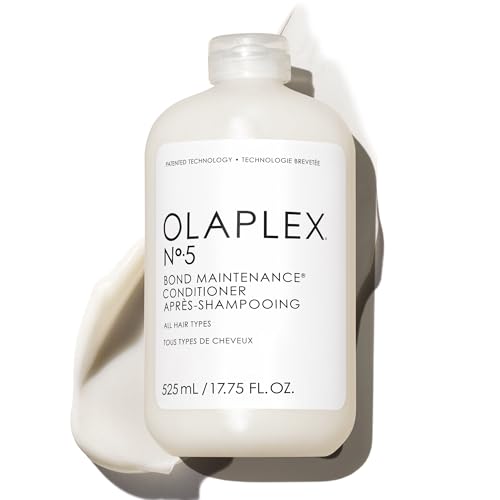
- ✓ Lightweight and non-greasy
- ✓ Boosts shine and manageability
- ✓ Reduces breakage
- ✕ Pricey for daily use
- ✕ Might be too light for very thick hair
| Type | Conditioner for all hair types |
| Size | 525 mL (milliliters) |
| Formulation | Color-safe, concentrated moisturizing formula |
| Key Ingredients | [‘Panthenol’, ‘Glycerin’] |
| Benefits | [‘Reduces hair breakage by 68% when used as part of the system’, ‘Clinically proven to make hair 90% smoother’, ‘Improves detangling and manageability’, ‘Enhances shine and smoothness’] |
| Usage Recommendations | Use after Olaplex No. 4 or as needed during washing |
That sleek, deep-green bottle of Olaplex Nº. 5 Bond Maintenance Conditioner has been sitting on my shelf, quietly promising smoother, shinier hair.
I finally grabbed it one morning when my hair was feeling a bit dull and prone to tangles. The first thing I noticed is how lightweight the formula feels.
It’s concentrated, so I only need a small dollop to cover my mid-lengths to ends. As I work it through my hair, I can immediately feel the slip, which makes detangling a breeze.
What really surprised me is how nourishing it is without any greasy residue. Usually, conditioners for my hair (which can get oily quickly) leave a film, but this one just leaves my hair feeling soft and hydrated.
I’ve used it daily, and I love that it doesn’t weigh my hair down.
The scent is subtle but fresh, not overpowering, and it lingers lightly after rinsing. My hair feels noticeably more manageable and shiny after just a few uses.
The bonus? It reduces breakage, which I’ve definitely noticed when I run my fingers through my hair.
Using it with Olaplex No. 4 shampoo, I’ve seen a real difference in strength and smoothness.
It’s perfect for anyone battling frizz or fragile strands. The formula is color-safe, which is ideal for my tinted hair.
Overall, this conditioner lives up to its promise. It’s a solid choice if you want a product that hydrates without greasiness and boosts shine.
It’s become a staple in my haircare routine.
OUAI Thick Hair Conditioner with Keratin & Shea Butter 10oz

- ✓ Lightweight yet hydrating
- ✓ Detangles easily
- ✓ Controls frizz effectively
- ✕ Slightly pricey
- ✕ May need more product for very thick hair
| Main Active Ingredients | Hydrolyzed keratin, Shea butter, Marshmallow root, Avocado oil |
| Product Size | 10 ounces (283 grams) |
| Hair Type Suitability | Thick, dry hair |
| Formulation | Sulfate-free, nourishing conditioner |
| Key Benefits | Reduces frizz and flyaways, detangles, deep hydration, strengthens strands |
| Application Method | Apply on wet hair from midshaft to ends, comb through, rinse |
Unlike many conditioners that leave my thick hair feeling weighed down or greasy, this OUAI Thick Hair Conditioner with Keratin & Shea Butter feels like a breath of fresh air right from the shower. The moment I apply it, I notice how smoothly it glides through my strands without that heavy, greasy residue that often plagues richer formulas.
The texture is surprisingly lightweight yet deeply nourishing. I love how the marshmallow root helps detangle without any tugging, and the Shea butter provides enough moisture to tame frizz without overdoing it.
After rinsing, my hair feels soft, but not greasy—really a fine line to walk with thick hair, and this product nails it.
What also stands out is how manageable my hair is post-shower. Strands are less prone to flyaways, thanks to the hydrolyzed keratin, and the avocado oil gives my hair that healthy, strong feel without any heaviness.
It’s clear this conditioner is designed to fight frizz while maintaining a natural, silky finish.
It’s perfect for those busy mornings when you want a quick, effective routine. Just apply from midshaft to ends, comb through, rinse, and go.
No buildup, no greasy after-feel—just clean, soft, and shiny hair that looks effortlessly polished.
If you’re tired of conditioners that promise hydration but leave your hair limp, this one is a game-changer. It balances moisture with weightlessness, making it ideal for thick hair that needs nourishment without the greasy aftermath.
What Ingredients Make a Conditioner Non-Greasy?
The best conditioners that don’t leave hair greasy typically contain lightweight ingredients that hydrate without adding excess oil.
- Silicone Derivatives: Ingredients like dimethicone or cyclomethicone provide a smooth finish without weighing hair down.
- Lightweight Oils: Oils such as argan, jojoba, or grapeseed are non-greasy options that offer moisture while remaining lightweight.
- Hydrolyzed Proteins: Proteins like hydrolyzed keratin or wheat protein help strengthen hair without adding heaviness.
- Aloe Vera: This natural ingredient hydrates and conditions hair without leaving a greasy residue.
- Panthenol (Vitamin B5): Known for its moisturizing properties, panthenol helps to retain moisture in the hair without greasiness.
- Glycerin: A humectant that draws moisture into the hair, glycerin helps keep hair hydrated without making it oily.
- Water-Soluble Ingredients: Ingredients that dissolve in water, such as certain surfactants, can condition hair while rinsing cleanly away, preventing greasiness.
Silicone derivatives like dimethicone or cyclomethicone offer a protective barrier while enhancing shine, making them ideal for non-greasy conditioners. These ingredients smooth the hair cuticle, preventing frizz without the heavy feel that can come from traditional oils.
Lightweight oils such as argan, jojoba, or grapeseed are excellent for providing moisture and nourishment without the greasy aftermath. These oils are absorbed quickly by the hair and do not leave a heavy residue, making them perfect for those looking for hydration without the weight.
Hydrolyzed proteins, such as hydrolyzed keratin or wheat protein, are effective in strengthening hair strands while keeping the formula light. They penetrate the hair shaft and provide essential nutrients, reducing breakage without contributing to greasiness.
Aloe vera is another beneficial ingredient, known for its soothing and moisturizing properties. Its lightweight nature ensures that it hydrates without leaving an oily finish, making it a popular choice in conditioners aimed at avoiding greasiness.
Panthenol, or Vitamin B5, is a powerful moisturizer that improves hair elasticity and shine without weighing it down. It acts to attract moisture from the environment, providing hydration without the risk of greasiness.
Glycerin functions as a humectant, drawing moisture into the hair and helping to keep it hydrated without adding oiliness. This makes it a staple ingredient in many non-greasy conditioners, allowing for soft and manageable hair.
Water-soluble ingredients, particularly certain surfactants, can clean and condition hair effectively while rinsing away easily. This ensures that the product does not leave behind any greasy residue, making it suitable for all hair types, especially fine or oily hair.
How Do Silicone-Free Formulas Benefit Hair Without Leaving Residue?
Enhanced Moisture Absorption: When silicones are absent, the hair cuticles can open up more effectively, allowing for better moisture penetration. This results in hair that feels softer and more hydrated without the risk of weighing it down.
Natural Ingredient Focus: Many silicone-free conditioners emphasize the use of natural oils, butters, and botanical extracts that nourish hair without the use of synthetic chemicals. This focus on natural ingredients often leads to healthier hair in the long run.
Less Residue Build-Up: One of the significant advantages of silicone-free formulas is their ability to avoid residue buildup. Regular use of these conditioners can keep hair looking clean and vibrant, without the need for harsh clarifying treatments to remove excess buildup.
Are Natural Ingredients More Effective for a Non-Greasy Finish?
Natural ingredients can often lead to a non-greasy finish in hair conditioners, as they tend to be lighter and less occlusive compared to synthetic alternatives.
- Aloe Vera: This plant-based ingredient is known for its lightweight, hydrating properties. It helps to moisturize the hair without leaving a heavy residue, making it ideal for those seeking a non-greasy finish.
- Coconut Oil (fractionated): Unlike traditional coconut oil, fractionated coconut oil is refined to remove long-chain fatty acids, resulting in a lightweight oil. This allows it to penetrate the hair shaft effectively without weighing the hair down, providing moisture without greasiness.
- Argan Oil: Derived from the nuts of the argan tree, this oil is rich in essential fatty acids and vitamin E. When used in moderation, it can nourish the hair while leaving a soft, non-greasy finish, perfect for conditioning without heaviness.
- Jojoba Oil: Jojoba oil closely resembles the natural oils produced by the scalp, which allows it to absorb quickly and effectively. It provides hydration without clogging pores or leaving a greasy residue, making it suitable for all hair types.
- Shea Butter: While shea butter is thicker than some oils, when used in small amounts, it can provide deep moisture without greasiness. It helps in softening the hair and improving manageability without overwhelming the hair’s natural texture.
- Green Tea Extract: Rich in antioxidants, green tea extract can help to soothe the scalp and promote hair health. It is lightweight and can enhance shine and texture without imparting any oily finish, making it a great addition to a conditioner.
How Does Hair Type Influence the Choice of Non-Greasy Conditioners?
The choice of non-greasy conditioners is significantly influenced by hair type, as different textures and characteristics require specific formulations for optimal results.
- Fine Hair: Fine hair tends to get weighed down easily, making it crucial to choose lightweight conditioners that won’t leave a greasy residue. Look for products labeled as “volumizing” or “lightweight” that provide moisture without heaviness, often using ingredients like aloe vera or light silicones.
- Curly Hair: Curly hair often requires more moisture and can benefit from richer conditioners, but it’s important to select those that are non-greasy. Opt for creams or gels designed for curls that contain hydrating ingredients like shea butter or coconut oil in small amounts, which can hydrate without making hair feel oily.
- Thick Hair: Thick hair can absorb more product, but using a greasy conditioner can still lead to unwanted buildup. Look for conditioners that offer deep hydration without excess oil, often featuring ingredients like argan oil or jojoba oil, which nourish without leaving a heavy feel.
- Color-Treated Hair: Color-treated hair often needs special care to maintain vibrancy and health. Non-greasy conditioners for color-treated hair should include protective agents and be sulfate-free to prevent stripping color, while still providing moisture and shine without a greasy finish.
- Oily Hair: For oily hair types, it’s essential to avoid heavy, greasy conditioners that can exacerbate greasiness. Lightweight, clarifying conditioners that contain ingredients like tea tree oil or citrus extracts can help balance oil production while ensuring moisture is still provided.
Which Hair Types Benefit Most from Lightweight Conditioners?
Lightweight conditioners are particularly beneficial for certain hair types that require moisture without added weight, making them ideal for keeping hair looking fresh and clean.
- Fine Hair: Lightweight conditioners are perfect for fine hair as they provide necessary hydration without overwhelming the strands. This type of hair can easily become greasy or limp with heavier products, so a lightweight formula helps maintain volume and bounce.
- Oily Hair: For those with oily hair, a lightweight conditioner can effectively hydrate the scalp and hair ends without contributing to excess oiliness. These conditioners often contain ingredients that help balance oil production, ensuring that hair feels fresh and clean.
- Curly Hair: While curly hair often requires more moisture, lightweight conditioners designed specifically for curls can provide adequate hydration without the heaviness that can lead to weighed-down curls. They help to define curls and reduce frizz while keeping the hair feeling light and airy.
- Color-Treated Hair: Color-treated hair can benefit from lightweight conditioners that prevent color fading without adding grease. These conditioners often contain protective elements that help to maintain vibrancy while ensuring the hair remains soft and manageable.
- Short Hair: Short hairstyles may benefit from lightweight conditioners as they need to avoid the weighed-down look that heavier products can create. A lightweight conditioner can enhance the natural texture and shine of short hair without making it feel greasy or heavy.
What Are the Signs of a Conditioner That is Too Heavy for Your Hair?
Difficulty in rinsing out suggests that the conditioner is too thick; if it clings to your hair even after multiple washes, it is likely not suited for your hair type. Increased product build-up can also manifest over time, making hair look lifeless and dull, as the excess product accumulates.
Scalp issues like oiliness or dandruff can arise from the residue that heavy conditioners leave, disrupting the natural balance of the scalp. Lastly, hair breakage can be a concern as the slickness can lead to the hair becoming weak and prone to snapping, especially if the strands are weighed down excessively.
What Are the Key Features of an Effective Non-Greasy Conditioner?
The key features of an effective non-greasy conditioner include:
- Lightweight Formula: A lightweight formula ensures that the conditioner is easily absorbed by the hair without leaving a heavy residue.
- Moisturizing Ingredients: Ingredients like glycerin and aloe vera provide hydration without the greasy feel, making hair soft and manageable.
- Quick Absorption: Conditioners that absorb quickly into the hair shaft help prevent a greasy appearance and allow for styling right after use.
- Silicone-Free Options: Conditioners that are free from heavy silicones reduce the likelihood of buildup, keeping hair looking clean and fresh.
- pH-Balanced: A pH-balanced formula helps maintain the natural moisture balance of the hair, preventing excess oiliness.
- Volume-Enhancing Properties: Conditioners designed to enhance volume can provide moisture without weighing down the hair, making it look fuller.
A lightweight formula is crucial for a non-greasy conditioner, as it allows the product to penetrate the hair without leaving a heavy layer that can contribute to greasiness. Products that feel heavy or waxy often lead to a weighed-down appearance, which is undesirable.
Moisturizing ingredients like glycerin attract moisture to the hair, while aloe vera offers soothing properties, ensuring that the hair remains hydrated and soft without any oily residue. These ingredients work together to nourish the hair, making it manageable without compromising the non-greasy quality.
Quick absorption is essential for a non-greasy conditioner, as it allows the product to be taken up by the hair strands rapidly, minimizing the time it sits on the surface. This feature is particularly beneficial for those who want to style their hair immediately after conditioning.
Silicone-free options are preferred in non-greasy conditioners, as heavy silicones can lead to product buildup over time, which can weigh down hair and create a greasy look. By choosing silicone-free formulations, users can maintain a clean and fresh appearance.
A pH-balanced formula is important because it helps to maintain the natural acidity of the hair, preventing it from becoming overly oily or dry. This balance aids in reducing the greasiness commonly associated with some conditioners.
Finally, volume-enhancing properties in a conditioner can help to provide moisture without making hair appear flat or lifeless. These conditioners often contain specific ingredients that lift hair at the roots, promoting a fuller look while preventing a greasy finish.
How Important Is pH Balance in Preventing Greasiness?
pH balance plays a crucial role in maintaining healthy hair and preventing greasiness.
- Understanding pH Levels: The pH scale ranges from 0 to 14, with 7 being neutral. Hair typically has a pH of around 4.5 to 5.5, which is slightly acidic. When hair products disrupt this balance, it can lead to excessive oiliness or dryness.
- Impact on Sebum Production: When hair’s pH is balanced, it helps regulate sebum production, the natural oil produced by the scalp. If the pH is too alkaline, sebaceous glands may overproduce oil, leading to greasiness, whereas an overly acidic environment can cause dryness and irritation.
- Effect on Hair Cuticles: pH levels influence the condition of hair cuticles, which are the outer protective layer of hair. A balanced pH keeps cuticles flat and smooth, reducing friction and preventing the buildup of oils and dirt that can make hair look greasy.
- Choosing the Right Conditioner: The best conditioner that doesn’t leave hair greasy should have a pH level that closely matches that of hair. Look for products labeled as pH-balanced, as they are formulated to maintain the natural acidity of hair and prevent greasiness.
- Ingredients Matter: Certain ingredients can affect the pH and overall performance of a conditioner. For instance, silicones and heavy oils may weigh hair down and lead to greasiness if not balanced properly. Opt for lightweight, natural ingredients that nourish without overwhelming the hair.
What Consistency Should a Non-Greasy Conditioner Have?
The consistency of a non-greasy conditioner plays a crucial role in its effectiveness and user satisfaction.
- Lightweight Cream: A lightweight cream consistency allows for easy application and is quickly absorbed into the hair without leaving a greasy residue. These conditioners typically contain silicones or oils that provide moisture without weighing down the hair.
- Gel-Based: Gel-based conditioners are often water-based and provide hydration without heaviness, making them ideal for fine or oily hair types. They tend to have a refreshing feel and can enhance curl definition while keeping the hair looking clean and light.
- Serum or Oil Mist: A serum or oil mist consistency can offer the benefits of conditioning while remaining lightweight and non-greasy. These products often come in spray form and contain nourishing ingredients that coat the hair without leaving it feeling oily.
- Foam or Whipped: Foam or whipped conditioners provide a unique texture that feels light and airy, making them great for those who want moisture without the weight. They are often enriched with conditioning agents that are effective yet evaporate quickly, preventing any greasy finish.
- Hydrating Lotion: A hydrating lotion consistency can deliver moisture efficiently while being absorbed quickly by the hair. These lotions are formulated to be non-greasy and often contain ingredients that help maintain hair’s natural balance, preventing excess oiliness.
Which Brands Are Renowned for Their Non-Greasy Conditioners?
Several brands are known for their non-greasy conditioners that effectively nourish hair without weighing it down:
- Moroccanoil Hydrating Conditioner: This conditioner is formulated with argan oil, providing essential moisture without leaving hair heavy or greasy. Its lightweight texture allows for easy absorption, making it suitable for all hair types, especially those prone to oiliness.
- Paul Mitchell Tea Tree Conditioner: Infused with tea tree oil, this conditioner not only hydrates but also invigorates the scalp. Its lightweight formula ensures that hair feels clean and fresh, without any greasy residue.
- OGX Coconut Water Weightless Hydration Conditioner: This conditioner is crafted with coconut water, which delivers hydration without the heaviness often associated with traditional conditioners. It helps maintain a natural bounce in hair while keeping it lightweight and non-greasy.
- Herbal Essences Bio:Renew White Grapefruit & Mosa Mint Conditioner: Known for its refreshing scent, this conditioner uses natural ingredients to nourish hair while ensuring it remains light and manageable. The formula is designed to hydrate without the greasy feel, making it perfect for daily use.
- Aveda Rosemary Mint Conditioner: This conditioner provides a refreshing experience with its natural rosemary and mint blend. It effectively detangles and nourishes hair while leaving it feeling clean and light, with no heavy or greasy residue.
- Briogeo Be Gentle, Be Kind Avocado + Quinoa Co-Wash: This co-wash acts as a conditioner and cleanser, making it ideal for those who want to skip traditional shampoo. Its formula is lightweight and designed to hydrate the hair without leaving it greasy, making it perfect for fine or wavy hair types.
What Do Customer Reviews Reveal About Their Performance?
Customer reviews provide valuable insights into the effectiveness and performance of products, especially when it comes to finding the best conditioner that doesn’t leave hair greasy.
- Absorption Rate: Many reviews highlight how quickly a conditioner absorbs into the hair without leaving a residue. Customers often appreciate formulas that penetrate the hair shaft effectively, providing moisture without weighing hair down or causing greasiness.
- Lightweight Formulas: Users frequently comment on the texture of the conditioner, favoring lightweight options that do not feel heavy on the hair. This characteristic is crucial for those with fine or oily hair types, as a lightweight conditioner can hydrate without adding extra oiliness.
- Post-application Feel: Reviews often detail the feel of the hair after using the conditioner, with many customers looking for a soft and smooth finish without any greasy after-feel. Positive feedback typically indicates that the hair remains bouncy and clean, a sign that the product has performed well.
- Longevity of Results: Many customers discuss how long the effects of the conditioner last. The best conditioners in this category are noted for keeping hair manageable and fresh-looking for an extended period, which is a significant factor for repeat purchases.
- Ingredient Transparency: Reviewers often appreciate brands that disclose their ingredients, especially those that contain natural oils or extracts known for their lightweight properties. Customers are increasingly looking for conditioners that combine effectiveness with safe, non-greasy components.
- Fragrance and Sensory Experience: A common topic in reviews is the scent of the conditioner, as pleasant fragrances can enhance the overall experience. Many customers express a preference for subtle scents that do not linger excessively, ensuring they don’t clash with other hair products.
Are There Specific Brand Ingredients That Ensure a Non-Greasy Result?
There are several brand ingredients that can help ensure a non-greasy result when choosing a conditioner.
- Silicone-Free Formulas: Many brands offer conditioners that are free from silicones, which can build up on hair and lead to a greasy feel. Instead, they use natural oils and butters that provide moisture without heaviness.
- Lightweight Oils: Ingredients like argan oil or jojoba oil are often included in non-greasy conditioners. These oils are light in texture and absorb quickly into the hair, providing nourishment without leaving a greasy residue.
- Hydrolyzed Proteins: Conditioners containing hydrolyzed silk or keratin can help strengthen hair without adding weight. These proteins penetrate the hair shaft, improving texture and manageability without greasiness.
- Natural Botanical Extracts: Ingredients such as aloe vera or chamomile can hydrate hair while maintaining a lightweight feel. They often have soothing properties that help keep the scalp balanced and prevent excess oil production.
- Water-Based Formulas: Conditioners that prioritize water as their main ingredient tend to be less greasy. These formulations hydrate hair without the heaviness associated with oil-based conditioners.
- Volumizing Agents: Conditioners designed for volume often contain ingredients that lift hair at the roots and reduce the weight of the product on the strands. These agents help maintain a clean, airy feeling while still providing necessary moisture.
What Application Techniques Can Make Conditioners More Effective?
There are several application techniques that can enhance the effectiveness of conditioners without leaving hair greasy.
- Apply on Damp Hair: Using conditioner on slightly damp hair allows for better absorption, as the cuticles are more open and receptive to the product. This technique helps distribute the conditioner evenly and prevents excess buildup that can lead to greasiness.
- Focus on the Ends: Concentrating the application on the ends of the hair, where it is typically drier and more damaged, minimizes the risk of greasy roots. This targeted approach ensures that the conditioner provides moisture where it’s most needed without overwhelming the scalp.
- Use a Wide-Tooth Comb: After applying conditioner, running a wide-tooth comb through the hair can help evenly distribute the product and detangle strands. This method reduces the likelihood of using excessive product and can enhance the smoothness of the hair.
- Rinse with Cool Water: Finishing the conditioning process with a cool water rinse helps seal the hair cuticles, locking in moisture and reducing the greasy feel. Cooler water can also add shine and enhance overall hair texture.
- Limit Amount Used: Using a smaller amount of conditioner is key to avoiding greasiness. Start with a dime-sized amount and increase gradually if needed, ensuring that you don’t over-saturate the hair.
- Leave On for a Short Time: While some conditioners benefit from a long leave-in time, many can be effective with a quick application of 1-3 minutes. This prevents the product from sitting too long, which can cause buildup and a greasy appearance.
- Consider the Type of Conditioner: Using lightweight, silicone-free conditioners can help avoid greasy residue. Opting for formulations designed for fine or oily hair types can make a significant difference in achieving a clean, fresh feel.
How Can Rinsing Techniques Prevent Grease Buildup?
The dilution technique involves mixing the conditioner with water in a bottle before applying it to the hair, which allows for an even spread and makes it easier to rinse out thoroughly. This method can significantly reduce the amount of product left behind, ensuring that the hair feels clean and light after washing.
Sectioning hair while applying conditioner ensures that each part gets adequate coverage and allows for better rinsing. By focusing on smaller sections, you can make sure that every strand is treated properly without overloading any one area with product, which can contribute to greasiness.
Timing control is essential when using conditioner; leaving it in for too long can lead to excessive absorption. Keeping the application time short, as per product instructions, helps to ensure that the hair benefits from conditioning without becoming weighed down or greasy.
What Other Hair Care Practices Ensure Maximum Effectiveness?
To ensure maximum effectiveness of hair care, several practices should be incorporated alongside using the best conditioner that doesn’t leave hair greasy:
- Proper Shampooing: Using a sulfate-free shampoo helps to cleanse the hair without stripping it of natural oils, allowing the conditioner to work more effectively. It’s important to wash your hair thoroughly to remove product buildup while avoiding overly harsh cleansers that can lead to dryness.
- Conditioning Techniques: Applying conditioner primarily to the ends of the hair rather than the roots can prevent greasiness and ensure that the scalp remains clean. Techniques like the “squish to condish” method, where you apply conditioner and then gently scrunch your hair, can enhance moisture absorption without making the hair feel heavy.
- Regular Deep Conditioning: Incorporating a deep conditioning treatment weekly can provide extra hydration and repair for dry or damaged hair. This helps to maintain the hair’s health and resilience, ensuring that regular conditioners can perform their best without leaving a greasy residue.
- Cold Water Rinse: Rinsing hair with cold water after conditioning can help seal the hair cuticles, locking in moisture and enhancing shine. This method can also reduce frizz and improve overall hair texture, contributing to a more polished look without any greasiness.
- Using the Right Amount: Applying too much conditioner can lead to greasy hair, so it’s essential to use the right amount for your hair type. A general guideline is to start with a quarter-sized amount and adjust based on hair length and thickness, allowing for better distribution without excess residue.
- Avoiding Overuse of Styling Products: Limiting the use of heavy styling products can prevent buildup that makes hair feel greasy. Opt for lightweight alternatives or natural products that nourish without weighing hair down, allowing your conditioner to do its job effectively.
- Scalp Care: Keeping the scalp healthy is vital for overall hair health, as a clean scalp promotes better absorption of conditioners and treatments. Regular exfoliation and using a gentle scalp scrub can help remove dead skin and product buildup, ensuring that your conditioner works optimally.
How Can You Identify the Best Non-Greasy Conditioner for Your Hair?
To identify the best non-greasy conditioner for your hair, consider the following factors:
- Ingredients: Look for lightweight ingredients such as aloe vera, glycerin, and panthenol that effectively hydrate without weighing hair down.
- Hair Type Compatibility: Choose a conditioner formulated for your specific hair type, whether it’s fine, oily, or normal, as this affects how the product interacts with your hair.
- Consistency: A thinner, more fluid consistency is often an indicator of a non-greasy conditioner, as thicker products may leave residue.
- Product Reviews: Checking customer feedback and reviews can provide insight into how well the conditioner performs in terms of avoiding greasiness.
- Brand Reputation: Trustworthy brands with a history of producing high-quality hair care products are more likely to have effective non-greasy conditioners.
Ingredients play a crucial role in determining how a conditioner behaves in your hair. Lightweight substances like aloe vera and glycerin provide moisture without adding excess oil, whereas heavier oils can lead to a greasy feel. Always check the ingredient list to avoid silicones and heavy oils that may not suit your needs.
Your hair type is another critical factor in selecting a conditioner. Fine or oily hair typically requires lighter formulations that won’t cause buildup, while thicker hair may benefit from richer products, but still, you should look for non-greasy options if you are concerned about weight.
The consistency of the conditioner can indicate its greasiness; thinner, more liquid conditioners are generally less likely to leave a greasy residue compared to thicker creams. Testing a small amount can help you determine how well it absorbs into your hair.
Product reviews can be invaluable when searching for the best non-greasy conditioner. Look for feedback specifically mentioning the absence of greasiness and how well the product performs in real-world conditions to ensure it meets your expectations.
Finally, the reputation of the brand is often a reliable indicator of product quality. Established brands known for their hair care lines usually invest in research and development to create effective formulas that cater to various hair types while avoiding unwanted greasiness.
What Steps Should You Take to Test a Non-Greasy Conditioner?
Patch Test: Before full application, conduct a patch test by applying a small amount of conditioner to a section of hair. This helps determine if your hair reacts positively to the product without committing to a full application.
Application Method: When applying the conditioner, focus on the mid-lengths and ends of your hair while avoiding the scalp and roots. This technique helps prevent the roots from becoming oily, as excessive product near the scalp can lead to a greasy appearance.
Rinse Thoroughly: Rinsing is vital; ensure you wash out all of the conditioner to avoid leaving any residue that could weigh your hair down. A thorough rinse also helps maintain volume and a clean feel.
Observe Hair Texture: After drying your hair, assess the texture, looking for signs of greasiness or heaviness. A good non-greasy conditioner should leave your hair feeling light, smooth, and manageable without any oily residue.
Longevity Test: After the initial use, wait a day or two to monitor how your hair behaves over time. This will help determine if the conditioner maintains a non-greasy feel or if any buildup occurs that could lead to a greasy appearance.
How Can You Transition from Heavy to Lightweight Conditioners?
Transitioning from heavy to lightweight conditioners can significantly improve hair texture and manageability.
- Assess Your Hair Type: Understanding your hair type is crucial when selecting a lightweight conditioner. Fine or thin hair typically benefits from lighter formulations that won’t weigh it down, while thicker hair may still need some moisture.
- Look for Water-Based Formulas: Choose conditioners that are primarily water-based, as they tend to be lighter and absorb quickly. Ingredients like aloe vera or glycerin can provide hydration without the greasiness associated with heavier oils and creams.
- Check for Silicone-Free Options: Silicones can create a heavy build-up on the hair, making it feel greasy. Opting for silicone-free conditioners can help maintain a clean and light feel while still providing slip and manageability.
- Consider Leave-In Conditioners: Lightweight leave-in conditioners can hydrate and detangle without the heaviness of traditional rinse-out formulas. They often contain lighter ingredients that can nourish the hair without leaving a greasy residue.
- Gradual Transition: Instead of switching abruptly, gradually mix your heavy conditioner with a lightweight one to allow your hair to adjust. This method can help you find the right balance and ease the transition without compromising hair health.
- Focus on Ingredients: Look for conditioners with beneficial lightweight ingredients like coconut water, panthenol, or proteins. These ingredients provide moisture and strength without adding excess weight or greasiness to your hair.