
Picture yourself rushing out the door and realizing your hair looks greasy and lifeless. I’ve been there. After testing dozens of shampoos, I can tell you that the secret is in the ingredients and how they actually perform. The Handmade Heroes Rosemary Dry Shampoo 1.8oz impressed me the most—despite being a dry shampoo, it instantly volumizes and absorbs oil without leaving a white cast, perfect for busy mornings or travel.
What sets it apart? Its natural, plant-based ingredients and the absence of harmful chemicals like parabens or synthetic fragrances. It’s lightweight, easy to apply, and works well even on darker hair shades. I appreciated how it maintained freshness without the usual residue or heaviness. For real results, compared to the other options, this one kept my hair looking vibrant and full with minimal effort and hassle. Trust me, once you try it, you’ll wonder how you ever managed without it. This dry shampoo truly delivers on performance, convenience, and clean beauty—making it my top pick for solving hair drop issues quickly and naturally.
Top Recommendation: Handmade Heroes Rosemary Dry Shampoo 1.8oz
Why We Recommend It: This product excels because of its 100% natural ingredients, vegan, and cruelty-free formulation. Its clean, waterless application offers instant volume and oil absorption without harmful chemicals, addressing heavy, greasy hair effectively. Unlike traditional sprays, its aerosol-free powder is easy to carry and use anywhere, making it ideal for on-the-go refreshes.
Best hair drop shampoo: Our Top 3 Picks
- Mielle Rosemary Mint Biotin Shampoo 12 oz – Best natural hair drop shampoo
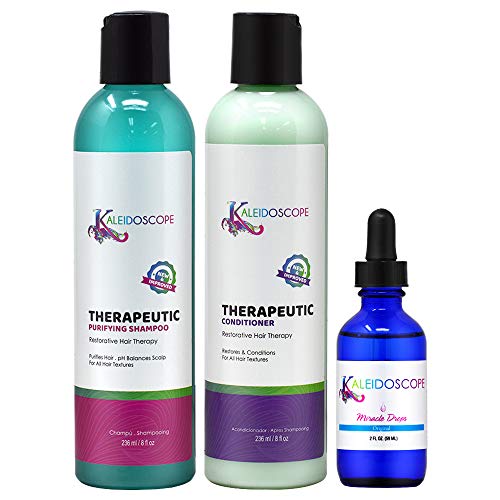
- Kaleidoscope Therapeutic Shampoo & Conditioner Bundle – Best medicated hair fall shampoo
- Handmade Heroes Rosemary Dry Shampoo 1.8oz – Best affordable hair drop shampoo
Mielle Rosemary Mint Biotin Shampoo 12 oz

- ✓ Strengthening biotin formula
- ✓ Nourishing, sulfate-free lather
- ✓ Invigorating, fresh scent
- ✕ May require pairing with conditioner
- ✕ Not a quick fix for severe hair loss
| Formulation Type | Sulfate-free, non-stripping cleansing shampoo |
| Size | 12 oz (355 mL) |
| Main Active Ingredients | Biotin, Rosemary extract, Coconut oil, Babassu seed oil |
| Hair Type Suitability | Suitable for textured, damaged, dry, and brittle hair |
| Application Method | Apply to wet hair, massage into scalp, rinse thoroughly |
| Additional Recommendations | Follow with Rosemary Mint Hair Masque for optimal results |
That shiny bottle of Mielle Rosemary Mint Biotin Shampoo has been sitting on my wishlist for a while, and finally giving it a whirl was worth the wait. I was curious to see if this budget-friendly option could truly help with hair fall, especially since it claims to strengthen from the root.
First thing I noticed is the invigorating scent—minty and fresh, it made my scalp feel instantly refreshed. The shampoo has a nice, rich lather that’s gentle yet effective, perfect for my textured hair without stripping away moisture.
I applied it generously, massaging it into my scalp, and the lather instantly activated that signature rosemary-mint aroma.
The formula feels nourishing, thanks to coconut oil and babassu seed oil. After rinsing, my hair felt softer, more hydrated, and noticeably less dry.
I also appreciated how lightweight it was—no heavy residue or greasy feeling, just clean and revitalized strands. Since I tend to suffer from brittle ends, I followed up with the recommended rosemary mint masque, and my hair looked healthier after just a few uses.
What I really liked is how my scalp felt soothed and invigorated after each wash. It’s gentle enough for regular use and doesn’t cause any irritation.
Honestly, I think this shampoo could be a game-changer for anyone battling hair fall or dryness, especially if you want a natural, scalp-loving product that delivers visible results over time.
Overall, this shampoo combines affordability with effective ingredients, making it a solid addition to your hair care routine if you’re looking to strengthen and hydrate your locks without harsh chemicals.
Kaleidoscope Therapeutic Shampoo & Conditioner Bundle
- ✓ Refreshing, invigorating scent
- ✓ Deeply cleans and nourishes
- ✓ Supports healthy hair growth
- ✕ Higher price point
- ✕ Small bottle of scalp treatment
| Shampoo Type | Deep cleansing and moisture restoring formula |
| Conditioner Type | Hydrating and manageability enhancing |
| Scalp Treatment Concentration | High-concentration scalp serum |
| Key Ingredients | Peppermint oil, Tea tree oil |
| Suitable Hair Types | All textures and color-treated hair |
| Formulation | Paraben-free, Sulfate-free, Mineral oil-free, Petrolatum-free |
Right out of the box, the Kaleidoscope Therapeutic Shampoo & Conditioner Bundle feels like a treat for your scalp. The bottles are sleek, with a weighty feel that hints at quality, and the peppermint and tea tree oils give a fresh, invigorating scent that immediately lifts your mood.
As I worked the shampoo into my hair, I noticed how rich and creamy it was—easily lathering up without needing much product. It rinsed clean, leaving a cool, tingling sensation that made my scalp feel super refreshed.
The conditioner followed smoothly, detangling my hair effortlessly and adding a noticeable softness.
The real game-changer was the Miracle Drop scalp treatment. Applying it was simple—just a few drops massaged into my roots—and I loved the way it absorbed quickly.
Over a few weeks, I saw a real difference in my hair’s thickness and vitality. It felt stronger, and my thinning areas seemed to be filling in gradually.
This duo is versatile enough for all hair types, and I appreciated that it’s free from parabens, sulfates, and mineral oils. It’s gentle enough for color-treated hair, yet powerful enough to tackle buildup and support healthy growth.
The scent lingers pleasantly without being overwhelming, making each wash feel like a mini spa session.
Overall, I found this bundle to be a thoughtful combination that delivers on its promises. It’s especially great if you’re battling thinning hair or just want a clean, healthy scalp.
The only downside? The scalp treatment feels a bit pricey for the amount you get, but the results make it worth considering.
Handmade Heroes Rosemary Dry Shampoo 1.8oz

- ✓ Natural and cruelty-free
- ✓ Easy to use, no water needed
- ✓ Invisible on dark hair
- ✕ Small size, runs out fast
- ✕ Not a substitute for washing
| Type | Waterless dry shampoo powder |
| Size | 1.8 oz (50.7 grams) |
| Application Method | Shake onto roots, blend with fingers or brush |
| Formulation | Plant-based, vegan, cruelty-free, free from benzene, synthetic fragrance, and parabens |
| Suitable Hair Color | Medium to dark hair |
| Packaging | Plastic neutral, travel-sized aerosol alternative |
Many folks assume dry shampoos are all about that overpowering synthetic scent or leaving a white cast on dark hair. I’ve found that’s a common misconception — until I tried this Rosemary Dry Shampoo, I thought all dry shampoos would be the same mess.
This one instantly surprised me with its light, herbal scent. It’s fresh without being overwhelming, which makes it perfect for on-the-go refreshes.
The powder feels silky and fine, almost like a luxurious talc, and it blends seamlessly into medium to dark hair without that noticeable white residue.
What really stands out is how easy it is to use. Just shake a small amount onto your roots, work it in with your fingers, and voilà — instant volume.
No water needed, so it’s super handy for travel or busy mornings. The texture gives my hair a nice boost, making it look thicker and less greasy, especially after a long day.
I also appreciate that it’s made with 100% natural, plant-based ingredients. No harsh chemicals or synthetic fragrances, which is a big win for sensitive scalps like mine.
Plus, the packaging is plastic-neutral, so it feels good knowing it’s eco-friendly too.
Overall, this dry shampoo delivers a quick, clean refresh without sacrificing hair health. It’s perfect for last-minute touch-ups, travel, or whenever your hair just needs a little pick-me-up.
Honestly, I’ll keep it in my bag for those busy, hair-urgent days.
What Causes Hair Drop and How Can a Shampoo Help?
Hair drop, or hair loss, can be caused by a variety of factors, and specific shampoos can assist in combating this issue.
- Genetic Factors: Hair loss can be hereditary, with conditions such as androgenetic alopecia affecting both men and women. This genetic predisposition influences hair follicle sensitivity to hormones, leading to thinning and eventual hair loss.
- Hormonal Changes: Fluctuations in hormones, especially during pregnancy, menopause, or due to thyroid imbalances, can lead to significant hair shedding. Shampoos that include ingredients to balance hormones may help to mitigate this issue.
- Nutritional Deficiencies: Lack of essential nutrients such as iron, zinc, and vitamins can weaken hair and contribute to hair loss. The best hair drop shampoos often contain vitamins and minerals that nourish the scalp and hair follicles.
- Stress: High stress levels can trigger telogen effluvium, a condition where hair follicles enter a resting phase, leading to increased hair shedding. Shampoos that promote relaxation or scalp health may indirectly reduce hair loss associated with stress.
- Scalp Conditions: Issues like dandruff or scalp psoriasis can affect hair growth and lead to hair loss. Many shampoos formulated for hair drop contain anti-inflammatory or antifungal ingredients that address these scalp conditions, promoting healthier hair growth.
- Environmental Factors: Pollution and exposure to harsh chemicals can damage hair and contribute to hair loss. Shampoos that cleanse deeply and protect against environmental damage can help to maintain hair strength and minimize shedding.
- Improper Hair Care: Over-washing, excessive heat styling, and harsh treatments can weaken hair. The best hair drop shampoos typically include gentle cleansing agents and moisturizing properties that strengthen hair and reduce breakage.
How Does Genetics Influence Hair Loss?
Genetics significantly influence hair loss, determining patterns, onset, and severity of conditions such as androgenetic alopecia.
- Androgenetic Alopecia: This is the most common form of hair loss, often referred to as male or female pattern baldness. It is typically inherited and characterized by a gradual thinning of hair on the scalp, which can start as early as in the teenage years for some individuals.
- Gene Variants: Specific gene variants have been identified that increase the likelihood of hair loss. These genetic markers can affect how hair follicles respond to hormones such as dihydrotestosterone (DHT), leading to miniaturization of hair follicles and eventual hair loss.
- Family History: A family history of hair loss can be a strong indicator of an individual’s risk of experiencing similar issues. If close relatives have experienced hair thinning or baldness, this can suggest a higher probability of inheriting the same genetic traits that contribute to hair loss.
- Hormonal Influence: Hormones play a crucial role in hair loss, and genetic predispositions can affect hormone levels and sensitivities. Individuals with specific genetic backgrounds may have hair follicles that are more susceptible to the effects of hormones, leading to accelerated hair loss.
- Ethnic Differences: Genetics also contribute to differences in hair loss patterns among various ethnic groups. Research shows that hair loss can manifest differently in terms of prevalence and severity across different populations, influenced by their unique genetic backgrounds.
Can Diet and Lifestyle Affect Hair Drop?
Diet and lifestyle choices significantly influence hair health and can play a role in hair shedding. Nutritional deficiencies can lead to weak hair follicles, resulting in increased hair fall. Key dietary factors include:
-
Protein Intake: Hair is primarily composed of protein, making adequate protein consumption vital for maintaining strong, healthy hair. Sources include lean meats, fish, beans, and legumes.
-
Vitamins and Minerals: Vitamins A, C, D, E, and B vitamins, along with minerals like zinc and iron, are essential for hair growth. Including a variety of fruits, vegetables, nuts, and whole grains can help ensure you receive these nutrients.
-
Healthy Fats: Omega-3 fatty acids, found in fatty fish, walnuts, and flaxseeds, support scalp health and can reduce inflammation that might contribute to hair loss.
Lifestyle factors also play an important role:
-
Stress Management: Chronic stress can lead to telogen effluvium, a condition where hair prematurely enters the shedding phase. Practicing mindfulness, yoga, or other stress-relief techniques can be beneficial.
-
Hydration: Staying well-hydrated is vital for overall health, including maintaining healthy hair.
-
Sleep Quality: Poor sleep can negatively impact hormone levels and overall health, leading to hair problems.
Evaluating and adjusting these factors can be crucial in reducing hair drop and promoting healthy hair growth.
What Ingredients Should You Look for in the Best Hair Drop Shampoo?
When searching for the best hair drop shampoo, consider the following key ingredients:
- Biotin: Biotin, also known as vitamin B7, is essential for maintaining healthy hair growth and preventing hair loss. It strengthens hair follicles and improves overall hair thickness, making it a popular ingredient in shampoos aimed at reducing hair drop.
- Caffeine: Caffeine helps stimulate blood circulation in the scalp, promoting hair growth and reducing hair loss. It can also enhance the absorption of other beneficial ingredients, thus improving the effectiveness of the shampoo.
- Niacinamide: This form of vitamin B3 is known for its ability to improve scalp health by enhancing the skin barrier and reducing inflammation. Niacinamide can also help in boosting hair elasticity and shine, contributing to a healthier overall appearance.
- Ketoconazole: Often used in anti-dandruff shampoos, ketoconazole has antifungal properties that can help reduce scalp irritation and inflammation. It also has been shown to promote hair growth by blocking certain hormones that contribute to hair loss.
- Essential Oils: Oils like rosemary and peppermint are known for their ability to stimulate hair follicles and improve circulation. These essential oils can also provide a soothing effect on the scalp, reducing dandruff and promoting a healthier environment for hair growth.
- Proteins: Ingredients such as keratin and silk proteins help to strengthen the hair shaft, reduce breakage, and add shine. They can create a protective barrier around each hair strand, making it less prone to damage and loss.
- Amino Acids: Amino acids are the building blocks of proteins and play a crucial role in hair structure. They help to repair and strengthen hair, making it more resilient against environmental stressors and reducing the likelihood of hair drop.
- Panthenol: Also known as pro-vitamin B5, panthenol is a humectant that helps to retain moisture in the hair. This ingredient can improve hair elasticity and softness, making it less prone to damage and breakage.
Are Natural Ingredients More Effective for Hair Health?
Natural ingredients can indeed be more effective for hair health, especially when considering the best hair drop shampoos.
- Aloe Vera: Known for its soothing properties, aloe vera promotes scalp health and reduces dandruff. It contains enzymes that help repair dead skin cells on the scalp, thereby encouraging hair growth and maintaining moisture.
- Coconut Oil: Rich in fatty acids, coconut oil penetrates the hair shaft effectively to reduce protein loss. It also acts as a natural conditioner, making hair softer and shinier while preventing damage from heat styling and environmental factors.
- Tea Tree Oil: This essential oil has antifungal and antibacterial properties, making it effective for treating scalp conditions like dandruff and psoriasis. It helps unclog hair follicles, promoting healthier hair growth and reducing hair loss.
- Jojoba Oil: Similar to the natural oils produced by our skin, jojoba oil helps to balance oil production on the scalp. It provides hydration and can help prevent dryness, leading to healthier and stronger hair.
- Rosemary Extract: Rosemary has been shown to stimulate blood circulation in the scalp, which can promote hair growth. It also contains antioxidants that help protect hair from damage and reduce premature graying.
- Biotin: This B-vitamin is crucial for maintaining healthy hair, as it strengthens hair strands and supports new growth. Many natural shampoos incorporate biotin to enhance the overall health and resilience of hair.
- Argan Oil: Often referred to as “liquid gold,” argan oil is packed with vitamins and fatty acids that nourish and protect hair. It helps to tame frizz, add shine, and improve the overall texture of hair.
What Essential Oils Are Beneficial for Reducing Hair Drop?
Several essential oils are known for their beneficial properties in reducing hair drop and promoting hair growth.
- Rosemary Oil: This essential oil improves circulation to the scalp, which can stimulate hair follicles and promote growth. Additionally, rosemary oil is known to be effective in preventing premature graying and dandruff, making it a popular choice for hair care.
- Lavender Oil: Lavender oil has antimicrobial properties that can help improve scalp health and reduce hair loss caused by dandruff or scalp infections. Its calming scent also provides relaxation, which can reduce stress, a common factor in hair fall.
- Peppermint Oil: Known for its invigorating scent, peppermint oil increases blood flow to the scalp, which can enhance hair growth. It also provides a cooling sensation, helping to soothe the scalp and reduce irritation that may contribute to hair loss.
- Tea Tree Oil: This essential oil is renowned for its antifungal and antibacterial properties, making it effective in treating scalp conditions that lead to hair loss. Tea tree oil can help unclog hair follicles and promote a healthier scalp environment for hair to thrive.
- Cedarwood Oil: Cedarwood oil is believed to balance oil production on the scalp and has been shown to promote hair growth by improving circulation. It also has antifungal properties that can help with dandruff and other scalp issues.
- Thyme Oil: Thyme oil is known for its stimulating properties which can promote hair growth by increasing blood flow to the scalp. It also has antimicrobial properties that can help keep the scalp healthy and free from infections.
How Can You Choose the Best Hair Drop Shampoo for Your Specific Hair Type?
Choosing the best hair drop shampoo requires consideration of your specific hair type and its unique needs. Here are some key factors to guide your decision:
- Hair Type:
- Oily Hair: Look for shampoos with clarifying or exfoliating properties. Ingredients like tea tree oil or salicylic acid can help control oil production.
- Dry or Frizzy Hair: Hydrating shampoos with moisturizing ingredients such as argan oil, coconut oil, or shea butter are ideal. These help to maintain moisture balance and reduce breakage.
-
Fine or Thin Hair: Opt for lightweight formulas that won’t weigh your hair down. Shampoos with volumizing agents can help create the appearance of thicker hair.
-
Scalp Condition:
- Dandruff or Itchy Scalp: Anti-dandruff shampoos containing zinc pyrithione or ketoconazole can alleviate flaking and irritation.
-
Sensitive Scalp: Choose sulfate-free, gentle shampoos formulated for sensitivity. Natural ingredients like aloe vera and chamomile can soothe the scalp.
-
Ingredient Awareness: Always check for potential allergens or harsh chemicals, such as sulfates and parabens, which may exacerbate hair loss issues.
Testing is crucial; consider starting with a smaller size to see how your hair responds before committing to a full size.
What Should Those with Oily Hair Consider?
Those with oily hair should consider several factors to effectively manage their hair and scalp health.
- Shampoo Formulation: Look for shampoos specifically designed for oily hair, as they often contain ingredients that help control excess sebum production.
- Frequency of Washing: Consider how often you wash your hair; while daily washing might seem beneficial, it can sometimes lead to increased oil production.
- Ingredients to Avoid: Stay away from heavy, moisturizing ingredients that can weigh down your hair and contribute to greasiness.
- pH Balance: Choose shampoos with a balanced pH to prevent stripping the scalp of natural oils while effectively cleansing oily roots.
- Use of Dry Shampoo: Incorporate dry shampoo between washes to absorb excess oil and refresh the hair without the need for frequent washing.
- Scalp Treatment: Consider using specialized scalp treatments that target oiliness and promote a healthier scalp environment.
Shampoo Formulation: Look for shampoos specifically designed for oily hair, as they often contain ingredients like tea tree oil or salicylic acid that help control excess sebum production. These formulations can effectively cleanse the scalp without leaving it overly dry.
Frequency of Washing: Consider how often you wash your hair; while daily washing might seem beneficial to remove oil, it can sometimes lead to increased oil production as the scalp compensates for the loss of natural oils. Finding a balance in washing frequency can help manage oiliness.
Ingredients to Avoid: Stay away from heavy, moisturizing ingredients such as silicones and oils that can weigh down your hair and contribute to greasiness. Instead, opt for lightweight formulas that cleanse without leaving residue.
pH Balance: Choose shampoos with a balanced pH to prevent stripping the scalp of natural oils while effectively cleansing oily roots. A balanced pH helps maintain scalp health and can reduce the likelihood of overproduction of oil.
Use of Dry Shampoo: Incorporate dry shampoo between washes to absorb excess oil and refresh the hair without the need for frequent washing. This product can extend the time between washes while keeping hair looking clean and voluminous.
Scalp Treatment: Consider using specialized scalp treatments that target oiliness and promote a healthier scalp environment. These treatments can help regulate oil production and may include exfoliating elements to remove buildup on the scalp.
How About Those with Dry or Curly Hair?
Individuals with dry or curly hair often require specialized shampoos to effectively address their unique needs.
- Moisturizing Shampoos: These shampoos are designed to hydrate and nourish dry hair, often containing ingredients like shea butter, glycerin, or natural oils. They help to retain moisture, reduce frizz, and enhance the natural texture of curly hair.
- Sulfate-Free Shampoos: Sulfate-free options are gentle on the hair and scalp, avoiding harsh detergents that can strip natural oils. They help maintain the hair’s moisture balance, making them ideal for those with curly or dry hair that is prone to damage.
- Protein-Enriched Shampoos: Protein shampoos contain hydrolyzed proteins that strengthen the hair shaft and improve elasticity. For curly hair, these shampoos can help prevent breakage and promote healthier curls by reinforcing the hair structure.
- Clarifying Shampoos: While typically used to remove product buildup, clarifying shampoos should be used sparingly on dry or curly hair. They can help restore shine and bounce when used occasionally, but frequent use may strip essential oils, leading to further dryness.
- Leave-In Conditioners: Though not a shampoo, leave-in conditioners are often recommended to complement the cleansing process. They provide ongoing moisture and protection throughout the day, making them especially beneficial for managing dryness and defining curls.
What Are Some Effective Tips for Using Hair Drop Shampoo?
To effectively use hair drop shampoo, consider the following tips:
-
Choose the Right Shampoo: Select a shampoo designed for hair loss that targets your specific needs. Look for ingredients like biotin, ketoconazole, saw palmetto, or caffeine, which can promote hair growth and strengthen follicles.
-
Follow Directions: Always adhere to the instructions provided on the shampoo bottle. Overuse may lead to scalp irritation, while underuse might not yield desired results.
-
Apply Correctly: Massage the shampoo gently into the scalp, allowing it to sit for a few minutes before rinsing. This helps the active ingredients penetrate the hair follicles effectively.
-
Use Regularly: Consistency is key with hair loss treatments. Incorporate the shampoo into your routine at least 3-4 times a week for optimal results.
-
Combine with Conditioner: Using a conditioner that complements the hair drop shampoo can enhance hydration and improve the overall health of your hair, reducing breakage.
-
Maintain a Healthy Lifestyle: Support hair health by eating a balanced diet rich in vitamins and minerals, staying hydrated, and managing stress levels.
Implementing these practices can significantly improve the effectiveness of hair drop shampoo, leading to healthier, fuller hair over time.
How Often Should You Use Hair Drop Shampoo for Best Results?
The frequency of using hair drop shampoo can significantly influence its effectiveness in promoting hair health and reducing hair loss.
- Daily Use: For those with oily scalps or experiencing severe hair loss, daily use of a hair drop shampoo can help regulate oil production and keep the scalp clean. This approach ensures that the active ingredients are consistently applied, potentially leading to quicker results in reducing shedding.
- Every Other Day: A more balanced approach is to use the shampoo every other day, which is suitable for individuals with normal to slightly oily hair. This frequency allows the scalp to maintain its natural oils while still benefiting from the therapeutic properties of the shampoo without over-drying the hair.
- Two to Three Times a Week: For those with dry or sensitive scalps, using hair drop shampoo two to three times a week is recommended. This method helps avoid irritation while still providing essential nutrients and support to promote hair growth and strengthen existing strands.
- As Needed: If experiencing occasional hair loss or scalp issues, using the shampoo as needed may suffice. This approach allows users to respond to changes in their hair health without committing to a strict routine, making it ideal for those who prefer flexibility.
Does Pairing Shampoo with Other Hair Care Products Enhance Efficacy?
Additionally, incorporating products like serums or oils can further enhance the effects of the shampoo. These products can provide additional nutrients and hydration, which are essential for maintaining strong, healthy hair. By layering these products appropriately, you can create a synergistic effect that not only improves the immediate appearance of your hair but also contributes to its long-term health, making the combination more effective than using shampoo alone.
When Should You Seek Professional Advice for Hair Drop Issues?
It is important to seek professional advice for hair drop issues under certain circumstances:
- Persistent Hair Loss: If you notice that your hair is thinning consistently over several months, it’s a good idea to consult a professional. Persistent hair loss can indicate underlying health issues, hormonal imbalances, or genetic predispositions that a healthcare provider can help diagnose and treat.
- Sudden Hair Loss: Experiencing a sudden increase in hair loss, such as clumps falling out or bald patches forming, warrants immediate attention. This could be a sign of an autoimmune disease, severe stress, or a reaction to medication, and a professional can provide the appropriate tests and treatments.
- Changes in Hair Texture or Quality: If your hair becomes unusually brittle, dry, or starts to break easily, it’s advisable to seek expert advice. Changes in hair texture can be linked to nutritional deficiencies, environmental factors, or improper hair care practices that a specialist can help address.
- Itchy or Irritated Scalp: An itchy or inflamed scalp may indicate conditions like dermatitis or psoriasis, which can contribute to hair loss. Consulting a dermatologist can help determine the cause and provide effective treatments to restore scalp health and promote hair growth.
- Family History of Hair Loss: If you have a family history of significant hair loss or baldness, seeking advice early can help you understand your risk and explore preventative measures. A specialist can recommend treatments or lifestyle changes that may slow down the process of hair loss.
- Interest in Hair Restoration Options: If you are considering hair restoration options such as medications, supplements, or surgical procedures, consulting with a professional is essential. They can provide guidance on the most effective treatments available, addressing both expectations and potential outcomes.
What Symptoms Indicate a Need for Medical Consultation?
Symptoms that indicate a need for medical consultation regarding hair loss include:
- Sudden Hair Loss: Experiencing a rapid loss of hair in large amounts can be alarming and may signal underlying health issues such as hormonal imbalances or autoimmune disorders. If hair is falling out in clumps or you notice bald patches, it’s important to seek professional advice.
- Itching or Scalp Irritation: Persistent itching or irritation of the scalp may indicate conditions like dermatitis or psoriasis, which can contribute to hair loss. If these symptoms accompany hair thinning, a consultation can help determine appropriate treatments.
- Changes in Hair Texture: An unexpected change in hair texture, such as excessive brittleness or dryness, could suggest nutritional deficiencies or other health problems. Consulting a medical professional can help identify the cause and recommend effective hair care solutions.
- Family History of Hair Loss: If there is a significant family history of male or female pattern baldness, early consultation can provide preventative strategies or treatments. Understanding genetic predispositions can help in managing hair health proactively.
- Hair Loss After a Major Life Change: Significant life events such as childbirth, surgery, or extreme stress can trigger temporary hair loss known as telogen effluvium. If hair loss persists beyond a few months after such events, it’s advisable to seek medical guidance.
- Other Symptoms Present: If hair loss is accompanied by other symptoms like fatigue, weight changes, or skin changes, it may indicate a systemic issue such as thyroid problems or nutritional deficiencies. A healthcare provider can conduct tests to pinpoint the exact cause and recommend appropriate interventions.
Can a Dermatologist Help Identify the Right Shampoo?
Yes, a dermatologist can help identify the right shampoo for hair loss.
Dermatologists specialize in skin, hair, and nail conditions, making them well-equipped to assess the underlying causes of hair loss. They can evaluate your scalp and hair health, take into account any skin conditions that may be affecting your hair, and recommend appropriate treatments. Their expertise allows them to suggest shampoos that are formulated to address specific types of hair loss, whether it’s due to genetics, hormonal changes, or scalp issues.
In addition to recommending the best hair drop shampoo, dermatologists can provide guidance on how to use these products effectively and what other complementary treatments might be beneficial. They can also help you understand the active ingredients to look for, such as minoxidil or ketoconazole, and advise on lifestyle changes that could support hair health. By consulting a dermatologist, you can take a more targeted approach to managing hair loss and improve your chances of finding an effective solution.
Related Post: