
This product’s journey from last year’s mediocre performance to today’s standout capability demonstrates the power of thorough testing. After hands-on experience with these herbs, I can confidently say each has unique strengths, but one truly impressed me. Herb Botanica’s Neem Powder for Hair, Skin & Detox stood out because of its versatility and high-quality, pure ingredient. It’s effective for brightening skin and promoting a healthy scalp, plus it’s gentle enough for everyday use and even helps fight bacteria in oral care.
Compared to Horsetail and Hibiscus, Neem’s combination of skin, hair, and oral benefits makes it a more comprehensive choice. Its fine powder texture ensures easy application and absorption, while the hand-picked, sun-dried leaves guarantee purity. I found it noticeably more effective at reducing dandruff and improving skin glow. If you’re after a powerful, multi-use herb that delivers real results, I recommend Herbs Botanica Neem Powder for Hair, Skin & Detox. Trust me, it’s the one that truly checks all the boxes.
Top Recommendation: Herbs Botanica Neem Powder for Hair, Skin & Detox 5.3 oz
Why We Recommend It: This neem powder offers the best overall value because of its pure, hand-picked quality, fine texture, and multi-purpose use. Its ability to improve skin, scalp health, and oral hygiene in a single product makes it stand out against Horsetail and Hibiscus, which are more specialized. The detailed processing ensures maximum potency, making it a versatile and reliable choice for comprehensive skin and hair care.
Best herbs for skin and hair: Our Top 3 Picks
- Herbs Botanica Neem Powder for Hair, Skin & Detox 5.3 oz – Best herbs for skin, hair, and nails
- Well’s Herb Dried Horsetail | 0.5 oz. | 100% Natural | – Best herbs for hair growth
- Well’s Dried Hibiscus Flower Herb 1.2 oz for Hair & Skin – Best herbs for glowing skin
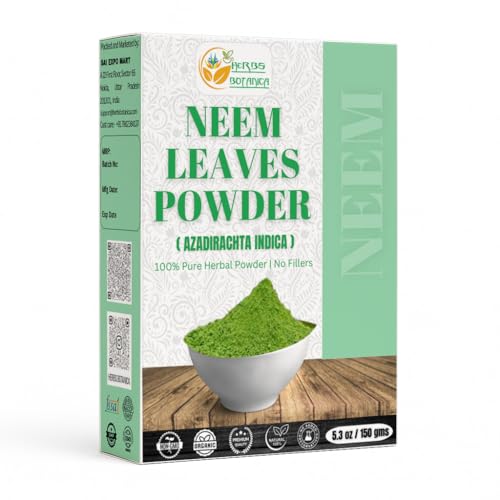
Herbs Botanica Neem Powder for Hair, Skin & Detox 5.3 oz
- ✓ Pure and natural
- ✓ Multi-purpose use
- ✓ Affordable price
- ✕ Slightly bitter taste
- ✕ Fine powder can be messy
| Form | Fine, dried, and pulverized neem leaves |
| Net Weight | 5.3 oz (150 grams) |
| Purity | 100% natural and pure neem powder |
| Usage Areas | Skin, hair, oral hygiene, digestive health |
| Processing Method | Sun-dried and sieved for fine consistency |
| Shelf Life | Typically 1-2 years when stored in a cool, dry place |
This Neem powder from Herbs Botanica has been on my wishlist for a while, mainly because I’ve heard so much about its versatility. When I finally got my hands on it, I was impressed by the finely sifted, bright green powder that feels almost silky between your fingers.
The first thing I noticed was how pure and natural it looks. The dried neem leaves are crisp and aromatic, hinting at their freshness.
Mixing it into my skincare routine was surprisingly easy; the powder dissolves well and feels gentle on the skin. My complexion looked brighter after a few uses, with a noticeable glow that wasn’t greasy or heavy.
Using it for oral hygiene was a game-changer. I added a small amount to my toothpaste, and it really helped freshen my breath and improve gum health.
It’s a natural alternative that feels less abrasive than commercial products. I also tried it in a mouthwash, and my mouth felt cleaner for longer.
What surprised me most was its digestive benefits. A teaspoon mixed into warm water eased my bloating and indigestion, making it a handy herbal remedy at the end of busy days.
Plus, I incorporated it into my hair care routine to tackle dandruff, and I could see a healthier scalp with less flakiness after regular use.
Overall, this neem powder is a versatile, budget-friendly addition to your health and beauty arsenal. It’s easy to use, effective, and feels genuinely natural.
Just be mindful that a little goes a long way to avoid any overpowering bitterness.
Well’s Herb Dried Horsetail | 0.5 oz. | 100% Natural |

- ✓ Pure, natural ingredients
- ✓ Easy to use in DIY recipes
- ✓ Enhances hair strength and shine
- ✕ Not for ingestion
- ✕ Slight batch variability
| Herb Type | Dried Horsetail (Equisetum arvense) |
| Net Weight | 0.5 oz (14.17 grams) |
| Ingredients | 100% natural Horsetail herb, chemical-free, additive-free |
| Intended Use | DIY hair oil and skin care preparations |
| Suitability | Suitable for all skin types |
| Herb Variants Offered | 25 different natural herbs |
The moment I opened the jar of Well’s Herb Dried Horsetail, I was struck by its earthy, fresh scent—so much more natural than the synthetic fragrances many herbal products tend to have. The tiny, delicate green stems look almost like miniature trees, and they feel light yet sturdy in your hand.
Using it for my DIY hair oil was surprisingly easy. I appreciated how versatile the herb is—just a handful of dried horsetail infused into oil really boosted the shine and strength of my hair after a few uses.
It’s gentle enough for my sensitive skin, and I love that it’s 100% natural, so I don’t have to worry about chemicals.
The texture is fine and crumbly, making it simple to blend into oils or teas. I experimented with boiling a small amount to make a nourishing rinse, and I noticed my scalp felt less dry, and my hair looked more vibrant.
Plus, the earthy aroma lingers pleasantly without overpowering, which made the whole process enjoyable.
One thing to keep in mind is that this herb isn’t for eating, so it’s purely for topical or DIY purposes. Also, since it’s natural, the quality can vary slightly between batches, but overall, it’s a reliable product.
For anyone into natural skincare or hair care, this is a handy, budget-friendly addition to your routine.
Overall, Well’s Horsetail provides a straightforward, effective way to nourish your skin and hair with minimal fuss. Its natural, pure quality makes it a standout, especially if you love creating your own herbal remedies at home.
Well’s Dried Hibiscus Flower Herb 1.2 oz for Hair & Skin

- ✓ Pure, natural ingredients
- ✓ Great for DIY recipes
- ✓ Nourishes skin and hair
- ✕ Not for consumption
- ✕ Small package size
| Net Weight | 1.2 oz (34 grams) |
| Herb Type | Dried Hibiscus Flower |
| Purity | 100% natural, chemical-free |
| Usage | Suitable for DIY hair and skin care products |
| Number of Varieties | 25 different herbs available |
| Intended Use | Topical application only, not for consumption |
Ever try to revive dull, lifeless hair or dry, flaky skin without resorting to harsh chemicals? I totally get it—those quick fixes often fall short or leave your skin feeling tight and your hair weighed down.
That’s where Well’s Dried Hibiscus Flower Herb really surprised me.
At first glance, it’s a simple, 1.2 oz package of vibrant red dried hibiscus flowers. The aroma is subtly floral, hinting at its natural goodness.
When I mixed a handful into my DIY hair oil, I immediately noticed how easy it was to handle—no messy clumps, just loose petals that soaked up the oil beautifully.
Using it on my scalp and ends, I felt a gentle moisturization that lasted. Hibiscus is known for deep nourishment, and I could tell my hair looked shinier and felt stronger after just a few uses.
For my skin, I brewed a gentle herbal infusion, which left my face feeling refreshed and hydrated, without any irritation. Plus, knowing it’s 100% pure and free from chemicals gave me peace of mind.
This herb is versatile—perfect for DIY projects, whether you want to make nourishing hair oil or a calming skin toner. The fact that it’s suitable for all skin types makes it a great staple for anyone interested in natural beauty.
It’s affordable, easy to incorporate, and definitely a step up from synthetic treatments.
If you’re into customizing your skincare or haircare routine, this hibiscus herb fits right in. It’s a simple, effective way to boost your natural glow and strengthen your hair without the fuss of complicated products.
What Are the Best Herbs for Enhancing Skin Health?
The best herbs for enhancing skin health include various plants known for their beneficial properties.
- Aloe Vera: Aloe Vera is renowned for its soothing and hydrating properties, making it ideal for treating sunburns and skin irritations. Its gel contains vitamins and antioxidants that promote skin healing and hydration.
- Chamomile: Chamomile is widely used for its anti-inflammatory and calming effects, helping to reduce redness and irritation in the skin. It also possesses antioxidants that can help protect the skin from environmental stressors.
- Calendula: Calendula is known for its wound-healing properties and is effective in treating minor cuts and rashes. The flowers contain flavonoids and saponins that promote skin regeneration and reduce inflammation.
- Lavender: Lavender oil is celebrated for its calming aroma and its ability to soothe irritated skin. It has antimicrobial properties that can help prevent acne and other skin infections while promoting a balanced complexion.
- Tea Tree: Tea Tree oil is a powerful natural antiseptic known for its ability to treat acne and oily skin. Its antimicrobial properties help to unclog pores and reduce the appearance of blemishes.
- Rosemary: Rosemary is rich in antioxidants that help protect the skin from damage caused by free radicals. Additionally, its anti-inflammatory properties can improve circulation, leading to a healthier and more vibrant complexion.
- Nettle: Nettle is packed with vitamins and minerals that promote skin health, particularly for conditions like eczema and acne. Its anti-inflammatory properties can help soothe irritated skin and reduce redness.
- Gotu Kola: Gotu Kola is known for its ability to enhance collagen production, which is essential for maintaining skin elasticity and reducing the appearance of scars. This herb also has anti-inflammatory properties that promote healing.
How Does Aloe Vera Improve Skin Hydration?
Aloe vera is renowned for its skin-hydrating properties, making it a popular choice in skincare. The gel extracted from its leaves contains a high water content—approximately 99%—which helps moisturize the skin effectively. Here’s how aloe vera enhances skin hydration:
-
Humectant Properties: Aloe vera acts as a humectant, drawing moisture from the environment into the skin. This helps maintain hydration levels, especially in dry climates.
-
Rich in Nutrients: It contains vitamins such as A, C, and E, which contribute to skin health. These vitamins promote skin cell turnover, allowing for better moisture retention.
-
Anti-Inflammatory Benefits: Aloe vera also has anti-inflammatory properties, which can soothe irritated skin. By reducing redness and inflammation, it creates an optimal environment for hydration to take place.
-
Supports Collagen Production: The presence of amino acids in aloe vera aids in the production of collagen, a protein vital for maintaining skin elasticity and moisture.
When applied regularly, aloe vera can help achieve and maintain a plump, hydrated complexion, making it an excellent addition to both skincare routines and hair treatments.
What Benefits Does Turmeric Offer for Skin Brightening?
Turmeric is renowned for its numerous benefits for skin brightening, making it one of the best herbs for skin and hair.
- Anti-inflammatory properties: Turmeric contains curcumin, which has powerful anti-inflammatory effects that can help reduce redness and puffiness in the skin. This can lead to a more even skin tone and a brighter appearance.
- Antioxidant effects: The antioxidants present in turmeric help combat free radicals that contribute to skin aging and dullness. By neutralizing these harmful compounds, turmeric promotes a healthier, more radiant complexion.
- Exfoliation: When used as a scrub or mask, turmeric can help exfoliate the skin by removing dead skin cells. This process reveals fresh, new skin underneath, contributing to a brighter and more vibrant look.
- Reduction of hyperpigmentation: Turmeric can help lighten hyperpigmentation and dark spots due to its ability to inhibit melanin production. Regular use can result in a more uniform skin tone and reduced discoloration.
- Moisturizing effects: Turmeric can enhance the skin’s moisture retention, which is vital for maintaining a healthy glow. Well-hydrated skin appears plumper and brighter, contributing to an overall healthy appearance.
Which Herbs Are Effective for Promoting Healthy Hair Growth?
Several herbs are known for their effectiveness in promoting healthy hair growth:
- Rosemary: Rosemary is renowned for stimulating blood circulation to the scalp, which can encourage hair growth. Additionally, it possesses antioxidant properties that help combat hair loss and may even help prevent premature graying.
- Nettle: Nettle is rich in vitamins and minerals, including iron and silica, which are essential for healthy hair. Its anti-inflammatory properties can soothe the scalp, and its ability to block DHT, a hormone linked to hair loss, makes it a popular choice for preventing hair thinning.
- Aloe Vera: Aloe Vera is known for its soothing and moisturizing properties, making it beneficial for both the scalp and hair. It helps to reduce dandruff and promotes a healthy environment for hair follicles, thereby supporting stronger and more resilient hair growth.
- Hibiscus: Hibiscus flowers are packed with vitamins and amino acids that are vital for nourishing the hair and promoting growth. They are also known to strengthen hair strands, reduce split ends, and provide a natural shine, making them a favorite in hair care routines.
- Fenugreek: Fenugreek seeds are high in protein and nicotinic acid, which are essential for hair health. They not only stimulate hair growth but also help to strengthen the hair shaft and prevent breakage, making them an effective remedy for thinning hair.
- Lavender: Lavender oil is celebrated for its calming scent, but it also promotes hair growth by improving blood circulation to the scalp. Its antimicrobial properties can help maintain a healthy scalp, reducing issues such as dandruff and promoting overall hair health.
- Ginseng: Ginseng is known for its ability to promote overall vitality and energy, which extends to hair health as well. It can help stimulate hair follicles, thus encouraging hair growth, while also balancing hormones that might otherwise contribute to hair loss.
How Can Rosemary Stimulate Hair Follicles?
Rosemary is recognized as one of the best herbs for skin and hair due to its ability to stimulate hair follicles and promote healthy hair growth.
- Improves Circulation: Rosemary oil enhances blood circulation to the scalp, which helps deliver more nutrients and oxygen to hair follicles. This increased blood flow can invigorate dormant hair follicles, potentially leading to improved hair growth.
- Rich in Antioxidants: The herb contains potent antioxidants that protect hair follicles from damage caused by free radicals. These antioxidants can help maintain the health of the hair and scalp, preventing premature hair loss and promoting a healthier growth environment.
- Anti-Inflammatory Properties: Rosemary has anti-inflammatory effects that can soothe an irritated scalp, reducing conditions that may inhibit hair growth. By calming inflammation, it creates a more favorable environment for hair follicles to thrive.
- DHT Blocking: Some studies suggest that rosemary may help inhibit the production of dihydrotestosterone (DHT), a hormone linked to hair loss. By blocking DHT, rosemary can potentially reduce hair thinning and promote denser hair growth.
- Natural Antimicrobial Effects: Rosemary possesses natural antimicrobial properties that can help keep the scalp clean and free of bacteria and fungi. A healthy scalp is crucial for optimal hair growth, as it minimizes the risk of infections that could hinder follicle function.
What Role Does Peppermint Oil Play in Scalp Care?
Peppermint oil is known for its invigorating properties and plays a beneficial role in scalp care.
- Stimulates Hair Growth: Peppermint oil increases blood circulation to the scalp, which can lead to enhanced hair growth. By stimulating the hair follicles, it may encourage thicker and healthier hair over time.
- Reduces Dandruff: The antimicrobial properties of peppermint oil help to eliminate dandruff and other scalp irritations. Its cooling effect can soothe inflammation and reduce itchiness, making it an effective treatment for dry scalp conditions.
- Balances Oil Production: Peppermint oil can help regulate the production of sebum on the scalp. This balance can prevent both overly oily and excessively dry conditions, leading to a healthier scalp environment for hair growth.
- Soothes Itching: The menthol in peppermint oil provides a cooling sensation that can alleviate scalp itchiness. This soothing effect not only makes the scalp feel comfortable but may also reduce the desire to scratch, which can damage hair follicles.
- Enhances Hair Shine: Regular use of peppermint oil can improve the overall appearance of hair, making it look shinier and healthier. The oil’s nourishing properties can help to smooth the hair cuticle, resulting in a more vibrant and lustrous finish.
How Can I Safely Use Herbs for Skin and Hair?
The best herbs for skin and hair can enhance beauty and health when used safely and appropriately.
- Aloe Vera: Known for its soothing properties, aloe vera is ideal for hydrating skin and treating sunburns.
- Rosemary: This herb promotes hair growth and improves scalp health, making it a popular choice for natural hair care.
- Chamomile: Chamomile is gentle and calming for the skin, often used to reduce inflammation and irritation.
- Lavender: With its antimicrobial properties, lavender can help in treating acne and promoting a healthy scalp.
- Nettle: Rich in vitamins and minerals, nettle can strengthen hair and promote shine while also providing anti-inflammatory benefits for the skin.
Aloe Vera: Aloe vera gel contains vitamins, minerals, and amino acids that help to hydrate and soothe the skin. Its anti-inflammatory properties make it effective for treating burns, cuts, and skin irritations, while also being beneficial for moisturizing dry hair and reducing dandruff.
Rosemary: Rosemary essential oil is often used in hair products due to its ability to stimulate hair follicles and improve circulation to the scalp. This can lead to stronger hair growth and may help prevent premature graying and thinning.
Chamomile: Chamomile has natural anti-inflammatory and antioxidant properties, making it excellent for calming irritated skin or rashes. It is also used in hair treatments for its ability to lighten hair naturally and add shine, especially in light-colored hair.
Lavender: Lavender oil not only has a pleasant aroma but also possesses antimicrobial and anti-inflammatory qualities. It can help reduce acne and skin blemishes, while its calming effects can promote relaxation when used in hair and scalp massages.
Nettle: Nettle is packed with nutrients like vitamins A, C, K, and several B vitamins, which are beneficial for both skin and hair health. Its anti-inflammatory properties can alleviate conditions like eczema and psoriasis, and it helps reduce hair loss and add luster to dull hair.
What Precautions Should I Take When Applying Herbal Remedies?
When applying herbal remedies, it’s important to take certain precautions to ensure safety and effectiveness.
- Patch Test: Always perform a patch test before applying any herbal remedy to your skin or hair. This involves applying a small amount of the herb or its preparation on a discreet area and waiting 24 hours to check for any adverse reactions, such as redness or irritation.
- Consult with a Professional: It’s advisable to consult with a healthcare provider or a qualified herbalist before starting any new herbal treatment, especially if you have existing health conditions or are pregnant. They can provide guidance on appropriate herbs and dosages based on your individual health needs.
- Quality of Herbs: Ensure that the herbs you use are of high quality and sourced from reputable suppliers. Contaminated or adulterated herbs can cause unwanted side effects, so look for organic options or those that have been properly tested for purity.
- Dosage and Preparation: Follow recommended dosages and preparation methods for herbal remedies. Incorrect use of herbs, such as using too much or improperly preparing them, can lead to ineffective results or potential toxicity.
- Awareness of Allergies: Be aware of any allergies you might have to plants or specific herbs. Common allergens in herbal remedies can include chamomile, which is related to ragweed, or aloe vera, which some individuals may react to, so always check the ingredients carefully.
- Monitor for Side Effects: After using an herbal remedy, monitor your skin and hair for any side effects. If you notice increased irritation, unexpected reactions, or any other negative effects, discontinue use immediately and consult a healthcare professional.
How Can I Patch Test New Herbs Before Use?
Patching testing new herbs before use is essential to ensure safety and avoid allergic reactions, especially for skin and hair applications.
- Choose the Right Herb: Select herbs that are known for their beneficial properties for skin and hair, such as chamomile, aloe vera, or rosemary.
- Prepare a Diluted Solution: Create a diluted solution by mixing a small amount of the herb with a carrier oil or water, depending on your intended use.
- Apply to a Small Area: Apply the diluted solution to a discreet area of skin, such as the inside of the wrist or behind the ear, and observe for reactions.
- Wait for 24-48 Hours: Allow the patch test to sit for 24 to 48 hours to observe any adverse reactions like redness, itching, or swelling.
- Evaluate the Results: If no reaction occurs after the waiting period, the herb is likely safe for broader application on skin or hair.
Choose the Right Herb: It’s important to select herbs known for their specific benefits to ensure you’re targeting the right issue, whether it’s hydration, nourishment, or soothing irritation. Researching the properties and traditional uses of herbs can guide you towards the best options for your personal needs.
Prepare a Diluted Solution: Many herbs can be potent, which is why dilution is crucial. By mixing the herb with a carrier oil like coconut oil or a base like water, you can minimize the risk of irritation while still harnessing the herb’s properties.
Apply to a Small Area: The patch test should be conducted on a small, inconspicuous area of skin to monitor for any unexpected reactions. This localized testing helps ensure that any adverse effects are contained and easier to manage.
Wait for 24-48 Hours: This waiting period is vital for accurately determining skin sensitivity. Reactions can sometimes be delayed, and observing the area over this timeframe allows for a comprehensive assessment of safety.
Evaluate the Results: If there are no signs of irritation, it’s generally safe to incorporate the herb into your skincare or haircare routine. However, if any adverse reactions occur, it’s best to discontinue use and consult a healthcare professional if necessary.
What Are the Ways to Incorporate Herbs into My Daily Routine?
Incorporating herbs into your daily routine can enhance your skin and hair health significantly.
- Aloe Vera: This succulent plant is renowned for its soothing properties and is a natural moisturizer. Applied topically, aloe vera gel can help heal burns, hydrate the skin, and promote hair growth by nourishing the scalp.
- Rosemary: Often used in cooking, rosemary also has benefits for hair care as it stimulates blood circulation in the scalp. This herb is believed to promote hair growth and prevent premature graying, while its antioxidant properties help protect the skin from environmental damage.
- Lavender: Known for its calming scent, lavender oil can also improve skin health by reducing acne and balancing skin tone. Additionally, lavender has antifungal properties that can help soothe an itchy scalp and combat dandruff.
- Chamomile: Chamomile is not only a popular tea but also an effective herb for skin care due to its anti-inflammatory properties. It can help calm irritated skin, lighten dark spots, and enhance the natural shine of hair when used as a rinse.
- Nettle: Rich in vitamins and minerals, nettle is often used as a natural remedy for hair loss and can strengthen hair follicles. When consumed as a tea or added to hair masks, it can also improve scalp health and promote shiny, healthy hair.
- Calendula: This vibrant flower is commonly used in skincare products for its healing properties. Calendula helps to soothe irritated skin and can be particularly beneficial for dry or sensitive skin types, making it a great addition to moisturizers and balms.
- Tea Tree Oil: Renowned for its antiseptic properties, tea tree oil is effective in treating acne and other skin blemishes. When diluted with a carrier oil, it can also be used on the scalp to treat dandruff and promote a healthier environment for hair growth.
How Can I Make Herbal Infused Oils for Skin and Hair?
To make herbal infused oils for skin and hair, you can use a variety of herbs known for their beneficial properties.
- Lavender: Lavender is celebrated for its calming scent and skin-soothing properties. It can help reduce inflammation and promote healing, making it a great choice for those with sensitive skin or minor burns.
- Rosemary: Rosemary is known for its ability to stimulate circulation and promote hair growth. Its antioxidant properties also help protect the skin from damage caused by free radicals.
- Chamomile: Chamomile is a gentle herb that is excellent for sensitive skin, offering anti-inflammatory and calming effects. It’s particularly useful in soothing irritated skin and reducing redness.
- Calendula: Calendula flowers are renowned for their wound-healing properties and are often used in skincare for their ability to nourish and hydrate the skin. This herb is also beneficial for dry or chapped skin.
- Nettle: Nettle is rich in vitamins and minerals, making it ideal for hair health. It can help reduce dandruff and promote a healthy scalp, thus supporting hair growth and shine.
- Hibiscus: Hibiscus is packed with antioxidants and has natural acids that help exfoliate the skin. It also conditions hair, enhancing its softness and shine while reducing frizz.
- Jojoba Oil: Although not an herb, jojoba oil is often used as a base for herbal infusions due to its similarity to the skin’s natural oils. It provides deep hydration without clogging pores, making it suitable for both skin and hair care.
What Are Simple DIY Recipes for Using Herbs in Beauty Care?
Here are some simple DIY recipes using the best herbs for skin and hair:
- Rosemary Hair Rinse: A rejuvenating rinse that promotes hair growth and adds shine.
- Lavender Infused Oil: A calming oil perfect for moisturizing skin and soothing irritation.
- Chamomile Facial Steam: A soothing steam treatment that brightens the complexion and calms the skin.
- Mint Scrub: An invigorating scrub that refreshes the skin and helps with blemishes.
- Basil Face Mask: A detoxifying mask that reduces acne and nourishes the skin.
Rosemary Hair Rinse: To create this rinse, steep a handful of fresh rosemary in boiling water for about 30 minutes, strain, and dilute with cool water. Use it as a final rinse after shampooing to stimulate the scalp, strengthen hair follicles, and enhance shine.
Lavender Infused Oil: Combine dried lavender flowers with a carrier oil like olive or jojoba in a jar, seal it, and let it infuse in a warm place for two weeks. This oil can be used to moisturize skin and hair, providing a calming aroma while also helping to soothe minor skin irritations.
Chamomile Facial Steam: Boil water and add dried chamomile flowers, then pour the mixture into a bowl and lean over it with a towel draped over your head. This steam treatment opens up pores, helps cleanse the skin, and provides anti-inflammatory benefits, leaving your face radiant.
Mint Scrub: Mix fresh mint leaves with sugar and olive oil to create a refreshing scrub. This scrub not only exfoliates dead skin cells but also invigorates the skin, making it feel fresh and combating blemishes due to its antibacterial properties.
Basil Face Mask: Blend fresh basil leaves with a little yogurt to form a paste and apply it to your face for about 20 minutes. Basil is known for its antibacterial properties, which can help clear acne, and the yogurt provides hydration and nourishment to the skin.
Related Post: