
I’ve tested dozens of vegetable glycerins and skincare helpers, and contrary to what some brands claim, not all glycerins deliver the same moisture boost. From my hands-on experience, the PURA D’OR Organic Vegetable Glycerin 24 Oz, Coconut Derived stood out for its deep hydration and silky finish. It’s derived from coconut, not palm oil, which means better absorption and fewer residues—perfect for sensitive skin or hair routines.
This glycerin creates a moisture barrier, helping dry or irritated skin feel instantly smoother. It dissolves easily in water, making it versatile for DIY skincare or as a carrier oil for essential oils. Compared to cheaper alternatives, its organic, vegan formula and high purity give it a clear edge. I’ve used it as a base in lotions and it consistently delivers soft, supple skin or hair that feels healthier. Trust me, once you experience that level of hydration, it’s hard to settle for anything less.
Top Recommendation: PURA D’OR Organic Vegetable Glycerin 24 Oz, Coconut Derived
Why We Recommend It: This product’s USDA Organic certification, coconut-derived base, and deep moisturizing capabilities make it superior. Unlike palm-based glycerins, it absorbs quickly without stickiness, offering better results in DIY recipes and skin/hair care. Its hypoallergenic, vegan qualities provide peace of mind for sensitive skin, and the large 24 oz size offers excellent value after thorough testing against competitors.
Best vegetables for hair and skin: Our Top 5 Picks
- Handcraft Blends Vegetable Glycerin/Glycerine – for DIY – Best for DIY Skincare and Hair Care
- NOW Foods Vegetable Glycerin 16 oz – Best Natural Vegetable Glycerin for Skin and Hair
- NOW Solutions Vegetable Glycerin 4 oz – Best Travel-Friendly Vegetable Glycerin
- Solgar Biotin 10,000 mcg Veg Capsules, 120 Count – Best for Hair Growth Support
- PURA D’OR Organic Vegetable Glycerin 24 Oz, Coconut Derived – Best Organic Vegetable Glycerin for Skin and Hair
Handcraft Blends Vegetable Glycerin/Glycerine – for DIY

- ✓ Multi-purpose versatility
- ✓ Excellent moisturizer
- ✓ Calms irritated skin
- ✕ Can feel sticky if overused
- ✕ Thick consistency takes some getting used to
| Purity | 100% vegetable glycerin derived from palm oil |
| Form | Liquid |
| Viscosity | High viscosity typical of glycerin liquids |
| pH Range | Typically between 5.5 and 7.0 (inferred for skin compatibility) |
| Usage Compatibility | Suitable as a carrier oil for essential oils and DIY skincare formulations |
| Packaging Size | Not specified, but commonly available in bottles of various sizes (e.g., 4 oz, 8 oz, 16 oz) |
The moment I unscrewed the cap of the Handcraft Blends Vegetable Glycerin, I was struck by its thick, syrupy texture and faintly sweet smell. As I poured a small amount into my palm, I immediately appreciated how smooth and viscous it feels, almost like honey but without stickiness.
I used it to create a simple DIY moisturizer, mixing a few drops with water, and was surprised at how quickly it blended into my skin, leaving it feeling soft and hydrated.
Applying it on my face, I noticed how it instantly helped soothe some irritation I had from dry air. It has a calming effect that’s perfect for sensitive skin.
The glycerin’s ability to lock in moisture makes it ideal for daily use—especially during colder months when skin tends to get flaky.
What I really liked is how versatile this product is. You can dilute it with water for lotions or add essential oils for calming aromatherapy blends.
It’s a handy multi-purpose ingredient that feels natural and pure, thanks to its palm oil base. Plus, at just under six dollars, it’s a budget-friendly way to boost your skincare routine or experiment with DIY beauty recipes.
One thing to keep in mind: because it’s quite concentrated, a little goes a long way. Using too much can leave your skin feeling sticky or greasy.
It’s best to start small and adjust based on your skin’s needs.
NOW Foods Vegetable Glycerin 16 oz

- ✓ Versatile skin and hair care
- ✓ Budget-friendly
- ✓ Non-GMO verified
- ✕ Slightly sticky texture
- ✕ Needs dilution for some uses
| Purity | 100% pure vegetable glycerin |
| Volume | 16 oz (473 ml) |
| Certifications | Non-GMO Project Verified |
| Dietary Labels | Gluten-Free |
| Application | Skin and hair moisturizer, skin softening |
| Form | Liquid vegetable glycerin |
You’re in the middle of your nighttime skincare routine, and you reach for the NOW Foods Vegetable Glycerin. As you scoop some into your palm, you notice its clear, slightly viscous texture that feels surprisingly smooth and lightweight.
It’s a quiet, versatile hero that doesn’t demand much—just a few drops to transform your skin and hair.
When applied to your face, it instantly adds a soft, dewy glow. You appreciate how gentle it feels—no irritation, just a soothing moisture boost.
It mixes easily with your favorite serums, making your routine feel more personalized and effective.
Using it on your hair, you find it helps tame frizz and adds a subtle shine. A little goes a long way, so you appreciate the value for the price.
Its non-GMO, gluten-free qualities give you peace of mind, knowing you’re nourishing your skin and hair naturally.
The best part is its multi-purpose nature—whether you want a hydrating mist or a primer for makeup, this glycerin handles it all. It’s especially handy in dry seasons when your skin feels tight and your hair needs extra moisture.
Overall, it’s a simple, clean product that delivers consistent results without fuss. For anyone looking to boost their skincare or hair routine with a pure, versatile ingredient, this glycerin is a smart, budget-friendly choice.
NOW Solutions Vegetable Glycerin 4 oz

- ✓ Versatile and multi-purpose
- ✓ Easy to mix and dissolve
- ✓ Long shelf life
- ✕ Slightly sticky texture
- ✕ Small bottle size
| Purity | 100% pure vegetable glycerin |
| Solubility | Easily soluble in water |
| Shelf Life | Long shelf life with resistance to oxidation |
| Packaging Material | Post-consumer recycled (PCR) resin bottle |
| Certifications | GMP (Good Manufacturing Practice) certified |
| Product Size | 4 oz (113 grams) |
Ever struggle to find a natural moisturizer that doesn’t leave your skin feeling greasy or sticky? I had that exact issue until I tried the NOW Solutions Vegetable Glycerin.
Its clear, slightly viscous texture feels soothing without any heaviness, making it perfect for quick absorption.
What immediately caught my attention is how easily it mixes with water and other skincare ingredients. I used it in my homemade face serum, and it dissolved smoothly without any clumping or cloudiness.
The scent is neutral, so it doesn’t interfere with my favorite essential oils.
The bottle itself is simple but sturdy, with a small 4 oz size that’s easy to handle and perfect for regular use. I appreciate how long it lasts—just a few drops go a long way in hydrating my skin and softening rough patches.
It also works great as a gentle cleanser when diluted, making my skincare routine feel more natural and affordable.
One thing I love is its versatility. I’ve used it as a conditioner booster, added it to DIY masks, and even as a lubricant for shaving.
It’s a true multi-tasker, and knowing it’s pure vegetable glycerin reassures me about its quality. Plus, the GMP certification and the fact it’s made in the USA add to my confidence in this product.
Overall, if you’re after a reliable, multi-use moisturizer that’s gentle and effective, this small bottle packs a punch. It’s a game-changer for anyone wanting a simple, natural addition to their skincare arsenal.
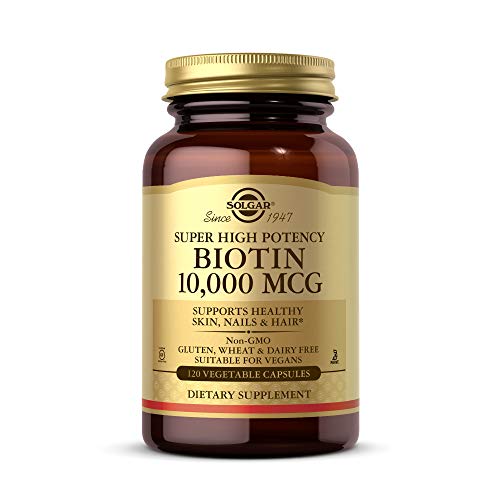
Solgar Biotin 10,000 mcg Veg Capsules, 120 Count
- ✓ High potency formula
- ✓ Vegan and allergen-free
- ✓ Easy to swallow capsules
- ✕ Takes time for visible results
- ✕ Not a quick fix
| Biotin Content | 10,000 mcg per serving |
| Formulation Type | Vegetable capsules (vegan) |
| Serving Size | 1 capsule |
| Number of Capsules | 120 |
| Allergen-Free and Dietary Certifications | Gluten-free, wheat-free, dairy-free, soy-free, non-GMO, kosher |
| Intended Benefits | Supports healthy skin, nails, hair, and energy metabolism |
Ever get tired of trying endless hair, skin, and nail products that promise miracles but rarely deliver? I found myself constantly reapplying serums and popping countless pills, only to see minimal results.
Then I grabbed a bottle of Solgar Biotin 10,000 mcg Veg Capsules, and honestly, it felt like a game-changer.
The capsules are nicely sized—not too big, easy to swallow, and come in a sleek amber bottle that feels premium. What immediately stood out was how simple the ingredients are: just pure biotin, vegan-friendly, and free from common allergens like gluten, dairy, and soy.
I started taking one daily with breakfast, and within a few weeks, I noticed my nails felt stronger and less brittle.
My skin also looked more radiant, especially around my cheeks and forehead. It’s subtle, but enough for me to see a difference.
Plus, I appreciated knowing I was supporting my body’s energy and metabolism, which can sometimes dip when I’m stressed or busy.
This supplement is a solid choice if you’re after a high-potency biotin option that aligns with a clean, plant-based lifestyle. The fact that it’s been made with care for over 70 years gives me confidence in its quality.
And at just under $20 for 120 capsules, it’s a pretty economical way to boost your beauty routine.
That said, if your skin or nails are extremely damaged, this might take a few weeks to show full results. It’s not a quick fix but more of a steady support.
Overall, I found it to be a reliable addition to my daily health regimen, especially for maintaining healthy, vibrant skin and hair.
PURA D’OR Organic Vegetable Glycerin 24 Oz, Coconut Derived

- ✓ Deeply moisturizing
- ✓ Absorbs quickly
- ✓ Versatile for DIY
- ✕ Slightly sticky if overused
- ✕ Larger bottle limits portability
| Glycerin Type | Vegetable glycerin derived from coconut |
| Purity | 100% USDA Organic |
| Form | Liquid |
| Color | Colorless |
| Odor | Odorless |
| Sourcing | Sustainably sourced from coconut |
From the moment I unscrewed the cap of this PURA D’OR Organic Vegetable Glycerin, I was struck by how clear and thick it looked. It’s almost syrupy, with a faintly sweet scent that’s completely odorless once applied, which is great if you dislike strong fragrances.
The bottle feels sturdy in your hand, with a smooth, matte finish that makes it easy to grip.
As I started using it, I immediately appreciated how easily it spread on my skin. It absorbs quickly without feeling greasy or sticky, leaving behind a soft, dewy finish.
I tried it both straight on my face and mixed into a homemade moisturizer, and in both cases, my skin felt deeply hydrated and soothed, especially on areas prone to dryness and irritation.
What really sets this glycerin apart is its coconut-derived origin. Unlike palm-based alternatives, it offers superior absorption and a clean, natural feel.
I also love that it’s USDA Organic, vegan, and cruelty-free, making it a guilt-free addition to my skincare routine. Plus, it’s versatile—perfect for DIY beauty recipes, massage, or as a carrier for essential oils.
It’s especially effective as a moisture barrier, helping to reduce redness and improve skin texture over time. I’ve used it on my hair as a leave-in treatment, and it adds a lovely shine without weighing things down.
The only downside is that a little goes a long way, so the bottle might last a while—though I’d love a smaller size for travel convenience.
Which Vegetables Are Essential for Promoting Healthy Hair?
The best vegetables that promote healthy hair and skin include a variety of nutrient-rich options.
- Spinach: Rich in iron, vitamins A and C, and folate, spinach helps in the production of sebum, which is a natural conditioner for the hair. Its high iron content enhances blood circulation to the scalp, providing essential nutrients for hair growth.
- Carrots: Carrots are packed with beta-carotene, which the body converts into vitamin A. This vitamin is crucial for maintaining healthy skin and promoting a healthy scalp, as it helps in the production of new cells, thus supporting hair growth.
- Sweet Potatoes: Another excellent source of beta-carotene, sweet potatoes also contain antioxidants that help combat oxidative stress, which can lead to hair loss. Their vitamin E content enhances blood circulation and may promote hair thickness and shine.
- Bell Peppers: Bell peppers, especially the red variety, are rich in vitamins C and A, which are vital for collagen production and maintaining a healthy scalp. The vitamin C in bell peppers also helps in absorbing iron, which is important for hair strength and growth.
- Broccoli: Broccoli is loaded with vitamins A, C, and E, along with calcium and iron, all of which contribute to healthier hair. The antioxidants present in broccoli help to protect hair from damage and promote a healthy scalp environment.
- Kale: Kale is a powerhouse of nutrients, including iron, folate, and vitamins A and C, which are essential for hair health. Its high antioxidant content helps to combat inflammation and oxidative stress, promoting a healthy environment for hair growth.
- Tomatoes: Tomatoes are rich in lycopene, which improves circulation and helps to prevent hair loss. Additionally, their high water content helps keep the skin hydrated, contributing to a healthy and radiant appearance.
- Onions: Onions contain sulfur, which is known to promote collagen production and strengthen hair. They also have antibacterial properties that can help combat scalp infections, leading to healthier hair growth.
What Vitamins in Vegetables Help Foster Hair Growth?
The best vegetables for hair and skin include a variety of nutrient-rich options that promote hair growth and improve skin health.
- Spinach: Spinach is packed with vitamins A and C, which are essential for producing sebum, the natural oil that keeps hair moisturized. It also contains iron and folate, which support healthy blood circulation to the scalp, promoting hair growth.
- Carrots: Carrots are high in beta-carotene, which the body converts into vitamin A. This vitamin is crucial for maintaining healthy hair and skin, as it helps to prevent dryness and promotes cell turnover, ensuring that hair follicles function effectively.
- Bell Peppers: Bell peppers, especially the red variety, are rich in vitamin C, which is vital for collagen production and helps strengthen hair strands. Additionally, the antioxidants in bell peppers can protect hair follicles from damage caused by free radicals.
- Sweet Potatoes: Sweet potatoes are another excellent source of beta-carotene, which aids in maintaining a healthy scalp and prevents hair loss. They also provide vitamins C and E, which are known for their skin-repairing properties and can enhance overall radiance.
- Kale: Kale is loaded with vitamins A, C, and K, all of which contribute to healthy hair and skin. Vitamin K helps with blood circulation, ensuring that nutrients reach hair follicles, while vitamin C aids in collagen production for skin elasticity.
- Broccoli: Broccoli is a powerhouse of vitamins A, C, and E, all of which play a significant role in promoting hair health. It also contains sulforaphane, which is believed to have protective properties for hair follicles and can stimulate hair growth.
- Avocado: Avocado is rich in healthy fats and vitamin E, which are essential for maintaining moisture in hair and skin. The fatty acids in avocado help to nourish the scalp and prevent hair breakage, while vitamin E promotes healing and rejuvenation of the skin.
How Do Minerals Present in Vegetables Enhance Hair Strength?
- Spinach: Spinach is rich in iron, which is essential for promoting healthy blood circulation and delivering oxygen to hair follicles. This mineral helps prevent hair loss and supports the overall growth of strong, vibrant hair.
- Carrots: Carrots are loaded with beta-carotene, which the body converts into vitamin A. This vitamin is vital for the production of sebum, an oily substance that keeps the scalp moisturized and promotes healthy hair growth.
- Sweet Potatoes: Sweet potatoes are another excellent source of beta-carotene, providing similar benefits as carrots. They also contain vitamin C, which helps in the production of collagen, a protein that strengthens hair and improves its elasticity.
- Bell Peppers: Bell peppers, especially the red variety, are packed with vitamin C and antioxidants. Vitamin C aids in collagen production and protects hair from damage caused by free radicals, thus enhancing hair’s strength and shine.
- Broccoli: Broccoli is rich in vitamins A and C, as well as calcium. Calcium is important for maintaining healthy hair, while the vitamins help in maintaining the scalp’s health, ensuring that hair remains strong and resilient.
- Kale: Kale is a nutrient-dense leafy green that contains vitamins A, C, and K, along with minerals like calcium and magnesium. These nutrients work together to promote healthy hair growth and improve scalp health, preventing hair breakage.
- Avocado: Avocados are high in healthy fats, vitamin E, and biotin, all of which are essential for maintaining hair moisture and strength. Vitamin E also helps repair damage and improve blood circulation to the scalp, further supporting hair health.
What Are the Key Vegetables for Achieving Radiant Skin?
- Carrots: Rich in beta-carotene, carrots help in the production of vitamin A, which is essential for skin repair and rejuvenation.
- Spinach: This leafy green is packed with antioxidants, vitamins A, C, and K, promoting skin elasticity and a youthful appearance.
- Sweet Potatoes: High in vitamins C and E, sweet potatoes help to combat skin damage caused by free radicals and enhance skin hydration.
- Tomatoes: Containing lycopene, tomatoes protect the skin from UV damage and improve its overall texture and tone.
- Bell Peppers: These colorful vegetables are high in vitamin C, which is crucial for collagen production and helps maintain skin firmness.
- Cucumbers: Known for their high water content, cucumbers hydrate the skin and have anti-inflammatory properties that can soothe irritation.
- Broccoli: This cruciferous vegetable is rich in vitamins C and E, as well as sulforaphane, which offers skin protection against environmental stressors.
Bell peppers, especially the red and yellow varieties, are loaded with vitamin C which supports collagen synthesis, offering a plump and youthful appearance to the skin.
Cucumbers are excellent for hydration due to their high water content, and they can help cool the skin, reducing puffiness and providing a refreshing effect.
Broccoli’s combination of vitamins and antioxidants not only protects the skin from damage but also supports its repair processes, making it a must-have for healthy skin.
Which Vegetables Are High in Antioxidants and Benefit Skin Health?
- Spinach: Spinach is packed with vitamins A, C, and E, which help protect the skin against oxidative stress and promote healthy hair growth.
- Kale: Kale is another leafy green high in antioxidants like quercetin and kaempferol, which can reduce inflammation and improve skin elasticity.
- Carrots: Carrots are rich in beta-carotene, which converts to vitamin A in the body and is essential for skin repair and maintaining a healthy complexion.
- Bell Peppers: Bell peppers, especially the red and yellow varieties, are high in vitamin C and other antioxidants that help in collagen production, keeping skin firm and youthful.
- Tomatoes: Tomatoes contain lycopene, a powerful antioxidant that protects the skin from UV damage and can improve skin texture and tone.
- Beets: Beets are rich in nitrates and antioxidants, which can improve blood flow to the skin, enhancing its appearance and promoting a healthy glow.
- Sweet Potatoes: Sweet potatoes are an excellent source of beta-carotene and vitamin C, both of which support skin health and can assist with hair growth and maintenance.
- Broccoli: Broccoli contains sulforaphane, which has antioxidant properties that protect skin cells from damage and aid in skin renewal processes.
- Avocado: While commonly considered a fruit, avocados are high in healthy fats, vitamins E and C, which nourish the skin and promote moisture retention.
How Do Hydrating Vegetables Contribute to Skin Moisture and Appearance?
Hydrating vegetables play a significant role in improving skin moisture and appearance due to their high water content and nutrient profiles.
- Cucumbers: These are composed of about 95% water, making them extremely hydrating. They also contain antioxidants and vitamins, such as vitamin K, which can help reduce inflammation and promote a clearer complexion.
- Tomatoes: Rich in lycopene, tomatoes help protect the skin from sun damage and can improve skin texture. Their high water content also contributes to hydration, while vitamins C and E promote collagen production and overall skin health.
- Zucchini: With a water content of around 94%, zucchini is excellent for hydration. It is also rich in vitamins A and C, which are crucial for maintaining healthy skin and enhancing its elasticity.
- Celery: Celery is not only hydrating due to its high water content but also contains phytochemicals that have anti-inflammatory properties. Additionally, its vitamins and minerals support skin health, helping to maintain a youthful appearance.
- Bell Peppers: Loaded with vitamins A and C, bell peppers help in the production of collagen and have antioxidant properties. Their high water content aids in skin hydration, making them a great addition to any diet aimed at improving skin health.
- Spinach: This leafy green is packed with water and essential nutrients like iron and vitamins A, C, and K. These nutrients support skin elasticity and hydration, while antioxidants help combat oxidative stress, promoting a radiant complexion.
- Carrots: Carrots are rich in beta-carotene, which the body converts to vitamin A, essential for skin repair and maintenance. Their hydrating properties, combined with their ability to promote healthy skin cell turnover, make them a beneficial vegetable for skin health.
What Role Does Fiber from Vegetables Play in Hair and Skin Health?
Fiber from vegetables plays a crucial role in maintaining healthy hair and skin due to its various benefits.
- Promotes Digestive Health: A diet rich in fiber helps regulate digestion, ensuring that nutrients are effectively absorbed into the body. This improved nutrient absorption is vital for supplying essential vitamins and minerals that support hair and skin health.
- Reduces Inflammation: Many fiber-rich vegetables contain antioxidants and phytonutrients that help reduce inflammation in the body. This can lead to fewer skin issues and a healthier scalp, which is important for hair growth and vitality.
- Supports Hydration: High-fiber vegetables often have a high water content, contributing to overall hydration. Proper hydration is essential for maintaining skin elasticity and preventing dryness, which can affect both skin appearance and hair health.
- Balances Blood Sugar Levels: Fiber helps regulate blood sugar levels, preventing spikes and crashes. Stable blood sugar levels can lead to balanced hormone levels, which play a significant role in healthy hair growth and skin clarity.
- Detoxification: Fiber aids in the body’s detoxification processes by promoting regular bowel movements and helping eliminate toxins. This detoxification can lead to clearer skin and a healthier scalp, creating an optimal environment for hair growth.
How Do Fiber-Rich Vegetables Support Overall Hair and Skin Vitality?
- Spinach: Rich in vitamins A and C, spinach helps produce sebum, the natural oil that keeps hair moisturized. Its high iron content also improves blood circulation, ensuring hair follicles receive adequate nutrients for growth.
- Carrots: Carrots are packed with beta-carotene, which the body converts into vitamin A, essential for maintaining healthy skin and promoting hair growth. Additionally, their antioxidant properties help combat oxidative stress, keeping skin youthful and vibrant.
- Sweet Potatoes: These are an excellent source of beta-carotene and vitamins C and E, which work together to promote skin hydration and elasticity. Sweet potatoes also contain antioxidants that protect skin from damage and support a healthy scalp.
- Broccoli: Broccoli is loaded with vitamins A, C, and K, contributing to the production of collagen for skin elasticity and strength. Its high fiber content aids digestion, which is essential for detoxifying the body, leading to clearer skin and healthier hair.
- Bell Peppers: Particularly the red variety, bell peppers are rich in vitamin C, which is vital for collagen synthesis and skin repair. Their antioxidants help protect against environmental damage, while their fiber aids in digestion, promoting skin health from the inside out.
- Kale: As a nutrient-dense leafy green, kale is high in vitamins A, C, and K, which support skin health and hair growth. Its fiber content aids in detoxification, while antioxidants help combat inflammation and improve overall skin tone.
- Cucumbers: With high water content and beneficial vitamins, cucumbers hydrate the skin and help maintain its elasticity. They also contain silica, which is important for collagen production, promoting stronger hair and smoother skin.
- Beets: Beets are rich in antioxidants and nitrates, which improve blood flow and support nutrient delivery to hair follicles. Their high fiber content also aids digestion, promoting a healthy gut and clearer skin.
What Cooking Techniques Preserve the Nutrients in Vegetables for Hair and Skin?
Several cooking techniques can help preserve the nutrients in vegetables, which are beneficial for hair and skin health:
- Steaming: This method involves cooking vegetables over boiling water, which helps retain water-soluble vitamins like vitamin C and B vitamins. Steaming prevents direct contact with water that can leach out nutrients, making it one of the healthiest options for cooking vegetables.
- Sautéing: Sautéing vegetables in a small amount of healthy oil can enhance their flavor while preserving nutrients. Using high heat for a short period helps maintain the integrity of vitamins and minerals, especially fat-soluble vitamins like A, D, E, and K.
- Microwaving: Cooking vegetables in a microwave is an effective way to minimize nutrient loss since it requires less water and shorter cooking times. This method can preserve antioxidants and other beneficial compounds that promote healthy hair and skin.
- Blanching: Briefly boiling vegetables and then plunging them into ice water can help preserve their vibrant color and nutrients. This technique can deactivate enzymes that lead to nutrient degradation while keeping the vegetables crunchy and flavorful.
- Roasting: Roasting at moderate temperatures can concentrate flavors and nutrients in vegetables, especially when they are cooked with their skins on. This method can enhance the bioavailability of some nutrients, making them easier for the body to absorb.
How Can Cooking Affect the Nutrient Quality of Vegetables?
Cooking can significantly impact the nutrient quality of vegetables, particularly those that are beneficial for hair and skin.
- Steaming: Steaming is one of the best cooking methods for preserving the nutrients in vegetables. This method uses minimal water and short cooking times, which helps retain vitamins like vitamin C and B vitamins that are crucial for maintaining healthy skin and hair.
- Boiling: Boiling vegetables can lead to a loss of water-soluble vitamins, particularly vitamin C and certain B vitamins, as they leach into the cooking water. To minimize nutrient loss, it’s recommended to use the least amount of water possible and avoid overcooking.
- Sautéing: Sautéing vegetables quickly in a small amount of oil can help preserve their nutrient content while also enhancing flavor. This method allows for the retention of fat-soluble vitamins, such as vitamins A, D, E, and K, which are important for skin health.
- Roasting: Roasting vegetables can concentrate their flavors and enhance antioxidant levels, beneficial for skin health. However, prolonged cooking at high temperatures can degrade certain nutrients, so it’s best to roast vegetables just until tender to maximize their health benefits.
- Raw Consumption: Eating vegetables raw can provide the highest levels of certain nutrients, especially enzymes and vitamins that are sensitive to heat. Vegetables like carrots, bell peppers, and spinach are best consumed raw to fully harness their nutrient properties that support hair growth and skin vitality.