As spring approaches, I’ve found that choosing the right hair color for natural afro hair can make all the difference in feeling fresh and confident. Having tested a variety of styles and textures myself, I know how tricky it can be to find a product that blends seamlessly while respecting your hair’s unique curl pattern. The key is a product that’s soft, easy to dye, and durable enough for daily wear.
From my experience, the QVR Afro Kinkys Bulk Human Hair for Dreadlocks Extensions stands out because it’s 100% human hair, feels incredibly soft, and blends effortlessly with natural hair. Plus, it can be bleached and dyed without damage—perfect for customizing your look. Its thick, kink-coil mimics real hair, ensuring a natural finish whether you style it as locs or twists. After testing similar products, I confidently recommend this for anyone wanting quality, versatility, and longevity in their hair journey.
Top Recommendation: QVR Afro Kinkys Bulk Human Hair for Dreadlocks Extensions
Why We Recommend It: This product excels due to its 100% human hair composition, ensuring softness and natural look. Its ability to be bleached and dyed offers flexible styling options, and its textured coil mimics real afro hair for a seamless blend. Compared to alternatives, it provides a thicker, more authentic feel and is easier to work with, making it ideal for protective styles that last.
Best hair color for natural afro hair: Our Top 5 Picks
- QVR Afro Kinkys Bulk Human Hair for Dreadlocks Extensions – Best natural hair color options for afro hair
- QVR Afro Kinky Human Hair for Dreadlocks 16in Black, 50g – Best hair color for curly afro hair
- Fox Afro Kinkys Bulk Human Hair for Braiding 14″ Natural 50g – Best semi-permanent hair color for afro hair
- Afro Kinkys Human Hair for Braiding 16″ #1B 50g – Best hair dye for natural afro hair
- Afro Kinkys 16″ Kinky Curly Human Hair 4 Bundles 70g – Best hair coloring products for afro hair
QVR Afro Kinkys Bulk Human Hair for Dreadlocks Extensions

- ✓ Soft, natural feel
- ✓ Easy to dye and bleach
- ✓ Versatile styling options
- ✕ Color-treated hair may not bleach well
- ✕ Might need 5 bundles for full thick look
| Material | 100% human hair, natural undyed hair for bleaching and dyeing |
| Length Range | 12 to 22 inches |
| Weight per Bundle | 50 grams (1.76 oz) |
| Color Options | Multiple colors, with natural hair color recommended for dyeing |
| Styling Versatility | Suitable for dreadlocks, twists, braids, crochet styles, and afro wigs |
| Package Quantity | 3 to 4 bundles typically needed for a full head, 5 bundles for thicker look at 22 inches |
As soon as I unboxed the QVR Afro Kinkys Bulk Human Hair, I immediately noticed how incredibly soft and natural it felt in my hands. The texture is exactly what you want for authentic afro styles—full, kinky, and plush without any synthetic stiffness.
It blends seamlessly with my natural hair, making it almost impossible to tell where mine ends and the extension begins.
The fact that it can be bleached and dyed is a huge plus. I experimented with a few color options, and the hair responded beautifully—no strange smells or tangling afterward.
Creating styles like crochet twists or Afro wigs was straightforward, thanks to the manageable thickness and pliability of the strands. The bundles are generously sized, so I found that 3-4 bundles gave me a full head, and the 12 to 22-inch options offer plenty of versatility for different looks.
What really sold me is how easy it was to work with, even for a first-timer. The tutorials provided by the brand were clear, and I was able to braid and twist without too much trouble.
Plus, I appreciate that I can wash and care for it just like my own hair, which is a huge time-saver. The color options are vibrant, but I’d recommend sticking to natural shades if you plan to dye it again—some colors are pre-treated and may not bleach well.
Overall, this hair is a game-changer for anyone wanting natural, versatile afro styles without breaking the bank. It’s high-quality, easy to style, and looks super authentic.
Whether you want to repair locs or add some twists, it’s a reliable choice that can handle it all.
QVR Afro Kinky Human Hair for Dreadlocks 16in Black, 50g

- ✓ Soft, natural feel
- ✓ Easy to style and dye
- ✓ Blends seamlessly
- ✕ Needs professional coloring
- ✕ Slightly less thick for very long styles
| Material | 100% Remy human hair |
| Length | 16 inches (can range from 12 to 22 inches) |
| Weight per Bundle | 50 grams (1.76 oz) |
| Color Options | Multiple colors, natural undyed hair can be bleached; other colors are pre-treated |
| Styling Compatibility | Suitable for braids, twists, dreadlocks, crochet styles, and up-dos |
| Coloring Capability | Can be bleached and dyed with professional care; natural undyed hair is best for bleaching |
As soon as I unboxed the QVR Afro Kinky Human Hair, I was struck by how soft and natural it feels right out of the package. The strands are smooth, with a subtle sheen that mimics real afro hair perfectly.
The 16-inch length hits just right for creating a full, natural look without feeling bulky.
The texture is incredibly pliable, making it easy to twist, braid, or crochet into your hair. I appreciated how lightweight 50 grams felt — I could handle multiple bundles without feeling weighed down.
It blends seamlessly with my natural hair, and the fact that it’s 100% human hair means I can bleach and dye it to match my style, which is a huge plus.
Installing was straightforward, especially with the detailed tutorial provided. I experimented with creating a textured up-do and some braids, and both turned out looking very natural.
The hair washes easily, maintaining softness after a gentle clean. It also held up well through a few days of wear, with minimal frizz or tangling.
One thing I really liked is the versatility — I can style it in many ways, and it responds well to heat styling if I want to change things up. The range of colors available makes it easy to find a shade close to my natural hair or go bold with a new hue.
Overall, this bulk hair is a solid choice if you’re into dreadlocks or twists. It feels genuine, looks natural, and gives you plenty of room to be creative.
Plus, the option to buy multiple bundles makes it budget-friendly for a full-head style.
Fox Afro Kinkys Bulk Human Hair for Braiding 14″ Natural 50g

- ✓ Seamless natural look
- ✓ Soft, itch-free feel
- ✓ Easy to dye and style
- ✕ Requires multiple packs for full head
- ✕ Slightly pricey for some budgets
| Material | 100% human hair, hypoallergenic, soft kinky bulk human hair |
| Length | 14 inches |
| Weight per Bundle | 50 grams |
| Color Compatibility | Natural afro hair color, bleach and dye compatible |
| Styling Flexibility | Heat-stylable, washable, no shedding, tangle-free |
| Ideal Usage | Locs, micro twists, boho braids, dreadlock extensions, loc repair |
Ever wrestled with hair that just refuses to blend seamlessly, leaving you with visible gaps and uneven textures? I found that problem myself, especially when trying to get a natural look with kinky, coily hair.
That’s where the Fox Afro Kinkys Bulk Human Hair completely changed the game for me.
The moment I opened the pack, I was impressed by how soft and cloud-like the strands felt. No plastic shine here—just a matte, natural finish that mimics real coils perfectly.
It’s designed specifically to match 4C textures, so blending with my own hair was effortless. The strands are thick enough to create full styles, yet lightweight enough to wear comfortably all day.
What really stood out was how gentle it felt on my scalp. No itchiness or scratchy ends, even after hours.
This hypoallergenic hair is tender-head friendly and ideal for long-term protective styles like locs or twists. Plus, the strands separate easily without matting, making installation smooth and mess-free.
And since it’s 100% human, I was able to bleach and dye it to match my vibe. It held up well through washing and styling without shedding or tangling.
I even heat-styled a few pieces for a different look and was pleased with how vibrant and neat everything stayed. It’s a versatile choice for anyone wanting durable, natural-looking afro hair extensions or locs.
Overall, this pack offers great value—each bundle is full at 50g, perfect for multiple styles. Whether you want micro twists, loc repair, or boho braids, it delivers a professional, neat finish every time.
Afro Kinkys Human Hair for Braiding 16″ #1B 50g

- ✓ Soft and manageable coils
- ✓ Dyeable and heat-stylable
- ✓ Less shedding, gentle on scalp
- ✕ Slightly limited length options
- ✕ Pack size may require multiple purchases
| Material | 100% human hair, unprocessed, hypoallergenic |
| Length | 16 inches |
| Weight per Pack | 50 grams (1.76 oz) |
| Color | #1B (off-black/brown-black) |
| Texture | 4C kinky-curly, tight coils, softer than 4B |
| Styling Compatibility | Dyeable, heat-stylable |
People often assume that textured, natural-looking afro hair can only be styled with coarse, unmanageable hair. That couldn’t be further from the truth once you get your hands on the Afro Kinkys Human Hair for Braiding.
This hair feels incredibly soft—softer than typical 4B coils—and it’s a relief to find a product that doesn’t tangle or shed excessively. Handling the 50g bundles, I noticed how easy it was to separate the coils without pulling or snagging.
The coils are tight, yet flexible, making styling effortless whether you’re doing twists, braids, or loc repairs.
One thing I loved is how versatile this hair is. You can dye it, heat-style it, and it still keeps its curl pattern beautifully.
I experimented with a few color mixes, and the hair responded well—no discoloration or damage. Plus, it blends seamlessly into my natural afro, giving a flawless, natural finish.
It’s also gentle on sensitive scalps, which is a huge plus for kids or anyone prone to irritation. The minimal shedding means less fuss and more confidence in your styles lasting longer.
Whether you’re doing a quick everyday braid or a fancy updo, this hair feels reliable and easy to work with.
Overall, this product lives up to its promise of being beginner-friendly yet versatile enough for professional looks. It’s a game-changer for anyone wanting vibrant, long-lasting protective styles without the fuss of chemical treatments.
Afro Kinkys 16″ Kinky Curly Human Hair 4 Bundles 70g
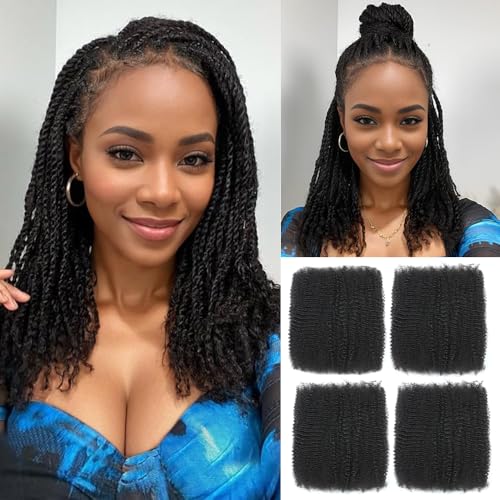
- ✓ Soft and natural feel
- ✓ No chemical smell
- ✓ Easy to style and maintain
- ✕ Only for loc repair with one pack
- ✕ May need multiple packs for full style
| Material | 100% human hair, kinky curly texture |
| Length | 12-22 inches (measured after stretching) |
| Bundles per Pack | 4 bundles per pack, approximately 70g per bundle |
| Color Options | Various colors available |
| Suitable For | Creating full hairstyles with 2-3 packs (8-12 bundles) |
| Durability | Long lifespan with proper maintenance |
The first time I ran my fingers through Afro Kinkys 16″ kinky curly bundles, I was surprised by how soft and natural it felt. It’s like touching your own hair, only with a little extra bounce and volume.
I immediately noticed there was no chemical smell, which is a huge plus for me.
What really stood out was how easy it was to style. I added a few twists and a quick braid, and the texture held beautifully without any tangling or shedding.
The bundles are thick enough to give my hair a fuller look, and I didn’t have to worry about itchiness or skin irritation.
It’s perfect for repairing damage or adding some oomph to my natural afro. I used two bundles to create a quick protective style, and the result looked seamless and natural.
Even after a few days, my hair still looked fresh and vibrant without fussing over it constantly.
The fact that it’s human hair means I can treat, dye, or style it just like my own. Plus, the durability means I can wear my style for weeks without worrying about it falling apart.
It’s lightweight but feels substantial, making it comfortable for everyday wear.
If you want a versatile, natural-looking option that’s easy to maintain and style, Afro Kinkys is a solid choice. It’s great for adding length, volume, or texture without the hassle of synthetic fibers.
What Factors Should You Consider Before Choosing a Hair Color for Afro Hair?
When choosing a hair color for natural afro hair, several important factors should be considered to ensure the best results and maintain hair health.
- Skin Tone: Your skin tone plays a crucial role in determining which hair colors will complement you best. Warm skin tones may look great with honey blonde or copper shades, while cool skin tones can be enhanced with ash browns or plum hues.
- Hair Texture: The texture of afro hair can affect how color adheres and appears. Coarser textures may absorb color differently than finer textures, so it’s essential to choose a color that works well with your specific hair type.
- Maintenance Level: Some hair colors require more upkeep than others, especially vibrant shades that fade quickly. Consider how much time and effort you are willing to invest in maintenance when selecting a color.
- Health of Hair: The condition of your hair should influence your color choice. If your hair is already damaged or dry, opting for a less harsh coloring method or a semi-permanent dye may be preferable to prevent further damage.
- Desired Look: Think about the overall look you want to achieve. Whether you’re going for a dramatic change or a subtle enhancement, having a clear vision will guide your color choice effectively.
- Season and Trends: Seasonal changes can influence the best hair color for afro hair, as certain shades may be more popular or suitable during specific times of the year. Staying updated on trends can help you pick a color that feels fresh and contemporary.
- Professional vs. At-Home Application: Decide whether you want to dye your hair at home or seek professional help. Professionals may offer better results and advice tailored to your hair type, while at-home kits can provide convenience and cost savings.
How Does Your Hair Texture Influence Color Choices?
Your hair texture significantly influences the best hair color choices for natural afro hair due to its unique characteristics and how it absorbs and reflects color.
- Porosity: The porosity of afro hair affects how well it absorbs hair dye. Higher porosity hair tends to absorb color more easily, which can lead to vibrant hues but may also require more conditioning treatments to maintain moisture.
- Density: The density of afro hair can influence the visibility of color. Thicker, denser hair may require more product or multiple applications to achieve a uniform color, while finer hair may show color more prominently but can be more prone to damage.
- Texture Variability: Afro hair often has varied textures, from tightly coiled to looser curls. This variability means that different sections may respond differently to color, necessitating a careful selection of shades that complement the overall look and enhance the natural curl pattern.
- Natural Undertones: Afro hair often has natural undertones that can affect how certain colors appear once applied. Understanding whether your natural hair has warm, cool, or neutral undertones can help in selecting shades that will harmonize with your skin tone and enhance your overall appearance.
- Maintenance Level: The chosen hair color will also dictate the level of maintenance required. Certain colors, especially lighter or vibrant shades, may fade quickly on afro hair, necessitating frequent touch-ups and specialized products to keep the color looking fresh.
How Important Is Your Skin Tone When Selecting Hair Color?
- Warm Skin Tones: Individuals with warm undertones often have a golden, peachy, or yellow hue to their skin. The best hair colors for them typically include warm shades like honey blonde, caramel, or rich auburn, which complement their natural warmth and create a cohesive look.
- Cool Skin Tones: Those with cool undertones usually have more pink, red, or blue hues in their skin. Hair colors that suit cool tones include ash blonde, deep burgundy, and cool browns, as these shades enhance the skin’s natural coolness and avoid clashing with their overall appearance.
- Neutral Skin Tones: Neutral undertones are a mix of both warm and cool tones, providing a versatile palette for hair color selection. Individuals with neutral skin tones can experiment with a variety of shades, from soft caramel to cool chocolate browns, allowing for more flexibility in choosing colors that can highlight their features.
- Contrast Consideration: The level of contrast between your skin tone and hair color is crucial. High contrast, such as dark hair with light skin, can make a bold statement, while low contrast, like light hair with light skin, can create a softer, more blended look. Understanding this balance can guide your choice to enhance your natural beauty.
- Personal Style and Maintenance: Beyond skin tone, personal style and the commitment to maintenance should also factor into the hair color decision. Some shades may require more upkeep, like frequent touch-ups for vibrant colors, while others may be more low-maintenance. Choosing a color that fits your lifestyle can ensure you feel confident and comfortable.
What Hair Color Options are Best for Enhancing Natural Afro Hair?
- Rich Browns: Deep, warm brown shades can add depth and shine to afro-textured hair, making it look vibrant and healthy. These colors complement the natural undertones of the hair, enhancing its texture without overwhelming it.
- Bold Reds: Shades like auburn or burgundy can create a striking contrast against dark skin tones, adding a fun and lively element to afro hair. Reds can also bring out the natural curl pattern, making it appear more defined and voluminous.
- Blonde Highlights: Adding blonde highlights can brighten the overall look of afro hair and create dimension. The contrast of lighter shades against darker roots can enhance curls and waves, giving the hair a sun-kissed, multi-dimensional effect.
- Pastel Colors: Soft pastel shades, such as lavender or mint, can provide a unique and playful twist on traditional hair color. These shades allow for individuality and creativity while still being gentle on the hair if applied with care.
- Jet Black: A deep black color can enhance the natural sheen of afro hair, making it look lustrous and polished. This classic shade works well for those who want to maintain a natural look while still emphasizing their hair’s texture.
Which Color Shades Best Complement Natural Curl Patterns?
The best hair color shades that complement natural curl patterns enhance texture and add vibrancy while maintaining the hair’s health.
- Rich Chocolate Brown: This shade offers warmth and depth, highlighting the natural curls beautifully. It enhances the hair’s natural shine without overwhelming the curl pattern, making it a versatile choice for many skin tones.
- Honey Blonde: A lighter option, honey blonde adds a radiant glow to natural afro hair, creating a stunning contrast against darker roots. It works well to emphasize the curls and can be a striking choice for those looking to brighten their overall look.
- Mahogany: This deep reddish-brown hue brings out the richness in natural curls, giving an exotic flair that enhances texture. Mahogany adds warmth and dimension, making curls appear more voluminous and alive.
- Jet Black: A classic choice, jet black accentuates the definition of curls and provides a sleek, polished look. This color can make curls appear bouncier and more structured, ideal for those wanting a sophisticated style.
- Soft Caramel: This shade provides a warm, sun-kissed effect, perfect for adding dimension to natural curls. The lighter tones can help soften the overall look while still maintaining a natural appearance, making it suitable for various skin tones.
- Pastel Colors: For the adventurous, pastel shades like lavender or mint green can offer a playful twist. These lighter hues can create a striking visual contrast with the natural curl pattern, allowing for unique self-expression while still being gentle on the hair.
What Are the Most Suitable Natural Hair Dyes for Afro Hair?
The most suitable natural hair dyes for Afro hair include:
- Henna: Henna is a popular natural dye derived from the Lawsonia inermis plant, known for its reddish-orange hue. It not only colors the hair but also conditions it, enhancing the hair’s texture and shine while providing a protective barrier against damage.
- Indigo: Often used in combination with henna, indigo gives a deep blue-black color that can produce a rich dark shade when applied over henna. This two-step process allows for a variety of colors, and indigo also has properties that help strengthen and nourish the hair.
- Cassia: Sometimes referred to as ‘neutral henna,’ cassia provides a subtle golden tint to hair without altering the natural color significantly. It is ideal for those looking to enhance their natural blonde or light brown shades while also promoting moisture and softness in the hair.
- Beet Juice: Beet juice can be used as a natural dye to impart a vibrant red hue to hair. It is rich in nutrients and antioxidants, which can help to nourish and improve the overall health of Afro hair while providing a unique color.
- Coffee: Brewed coffee can create a dark brown shade suitable for those looking to darken their hair naturally. In addition to its coloring properties, coffee is known to add shine and can help stimulate hair growth due to increased blood circulation to the scalp.
- Black Tea: Black tea serves as a gentle dyeing agent, offering a soft brown tint that can gradually darken Afro hair with repeated applications. Its tannins also help to strengthen hair and reduce shedding, making it a beneficial choice for maintaining healthy hair.
How Can You Effectively Maintain Your Colored Afro Hair?
Maintaining colored afro hair requires specific techniques and products tailored to its unique texture and needs.
- Hydrating Shampoo: A sulfate-free hydrating shampoo is essential for colored afro hair as it cleanses without stripping natural oils. Look for shampoos infused with moisturizing ingredients like shea butter or glycerin, which help retain moisture and keep the hair soft.
- Deep Conditioning Treatments: Regular deep conditioning is crucial for maintaining the health of colored afro hair. Use treatments that are rich in protein and moisture to repair damaged strands and enhance elasticity, ensuring that the color remains vibrant and the hair stays resilient.
- Leave-In Conditioner: A high-quality leave-in conditioner helps to maintain moisture levels throughout the day. This is especially important for afro hair, which can be prone to dryness, as it allows for easier detangling and adds a layer of protection against environmental stressors.
- Color-Depositing Products: Using color-depositing conditioners or masks can help refresh and maintain the vibrancy of your hair color between salon visits. These products can enhance the hue and prevent fading, ensuring that your colored afro looks lively and rich.
- Heat Protection: If you use heat styling tools, applying a heat protectant is vital to prevent damage to colored hair. Heat can cause the color to fade more quickly, so using a protective spray or cream helps shield the strands from high temperatures while keeping them healthy.
- Regular Trims: Regular trims every 6-8 weeks can help prevent split ends and maintain the overall shape of your afro. This is important for colored hair, as it can be more prone to breakage; keeping the ends healthy will help your color look its best.
- Protective Styles: Incorporate protective hairstyles like braids or twists to minimize manipulation and reduce breakage. These styles help retain moisture and protect the hair from environmental factors, allowing the color to last longer while promoting healthy growth.
- UV Protection: Protecting your hair from sun damage is crucial, as UV rays can fade colored hair. Consider wearing hats or using hair products with UV filters to shield your locks and preserve the vibrancy of your hair color.
What Products Are Recommended for Caring for Color-Treated Afro Hair?
For caring for color-treated Afro hair, it’s essential to use products that provide hydration, protection, and color longevity.
- Moisturizing Shampoo: A sulfate-free moisturizing shampoo is crucial for maintaining the integrity of color-treated hair. It cleanses without stripping away natural oils, helping to keep the hair hydrated and vibrant.
- Color-Safe Conditioner: A rich color-safe conditioner helps to nourish and detangle color-treated hair. It locks in moisture and protects the color, ensuring that it lasts longer while also enhancing shine and softness.
- Leave-In Conditioner: A good leave-in conditioner provides ongoing hydration and protection throughout the day. It helps to prevent dryness and breakage, which are common issues for color-treated Afro hair.
- Deep Conditioning Treatment: Regular deep conditioning treatments are vital for restoring moisture and elasticity. These treatments penetrate the hair shaft, repairing damage and helping to maintain the vibrancy of the color.
- Hair Oil: Natural hair oils, such as argan or jojoba oil, can be used for sealing in moisture and providing additional shine. They also help reduce frizz and protect against environmental stressors that can fade color.
- Heat Protectant Spray: Using a heat protectant spray before styling with heat tools is essential to prevent damage. It creates a barrier that safeguards the hair from high temperatures, which can lead to color fading and dryness.
- Color-Enhancing Products: Color-enhancing shampoos or conditioners can help maintain the vibrancy of the color. These products are formulated to deposit color without causing damage, making them ideal for refreshing the hue between dye jobs.
How Frequently Should You Refresh Your Hair Color?
Understanding how frequently to refresh your hair color is essential for maintaining the vibrancy and health of natural afro hair.
- Permanent Hair Color: This type of color typically lasts the longest, often requiring a touch-up every 6-8 weeks as new hair growth reveals your natural color at the roots.
- Semi-Permanent Hair Color: Semi-permanent products generally fade more quickly, so reapplication is recommended every 4-6 weeks to maintain the desired shade and vibrancy.
- Temporary Hair Color: These colors last for a single wash to a few weeks, making them ideal for experimenting but requiring frequent refreshment after each application.
- Color-Depositing Conditioners: These conditioners can be used weekly to enhance and maintain color between more permanent treatments, helping to keep your color fresh and vibrant.
- Natural Hair Treatments: Incorporating treatments like henna can offer a more long-lasting color solution but may require less frequent application, depending on the desired intensity and individual hair growth rates.
Permanent hair color is designed to last through multiple washes, providing a long-term solution for color changes. However, with afro hair’s unique texture, roots may become more apparent as the hair grows, necessitating touch-ups to ensure a consistent look.
Semi-permanent hair colors are a popular choice for those looking to experiment with shades without the long-term commitment. They gradually wash out, typically lasting about 4-6 weeks, making it essential to refresh the color regularly to avoid dullness.
Temporary hair colors offer flexibility for styling and seasonal changes, as they can be easily applied and washed out without commitment. Because they can fade quickly, they are best suited for one-time events or short-term use.
Color-depositing conditioners serve as a convenient way to maintain color between major treatments. They can be incorporated into your regular hair care routine to boost color vibrancy and hydration.
Natural hair treatments, such as henna, can provide a more permanent color solution while also benefiting the hair’s health. Depending on individual hair growth and the desired outcome, these treatments may not need to be reapplied as frequently as other color options.
What Common Mistakes Should You Avoid When Coloring Afro Hair?
When coloring natural afro hair, there are several common mistakes to avoid for the best results:
- Not Conducting a Patch Test: Failing to perform a patch test can lead to unexpected allergic reactions to the hair dye.
- Choosing the Wrong Shade: Selecting a color that is too light or not suited for your skin tone can result in an unflattering look.
- Skipping Moisture Treatments: Afro hair is naturally dry and can become even drier with coloring; neglecting to hydrate can lead to damage.
- Overprocessing the Hair: Coloring hair too frequently or using harsh chemicals can weaken and break the hair.
- Ignoring the Importance of Professional Help: Attempting to color at home without proper knowledge can lead to uneven coloring and damage.
Not conducting a patch test can lead to unexpected allergic reactions to the hair dye, which might result in discomfort or serious skin issues. This step is crucial to ensure that the chosen product is safe for your scalp and skin type.
Choosing the wrong shade can dramatically alter your appearance. It’s important to consider your natural hair color and skin tone when selecting a shade to ensure a harmonious and flattering result.
Skipping moisture treatments can exacerbate the dryness often associated with afro hair. Before and after coloring, it’s essential to use deep conditioning treatments to maintain moisture and elasticity, helping to prevent breakage.
Overprocessing the hair can lead to significant damage, including dryness and brittleness. It’s important to space out coloring sessions and avoid using multiple chemical treatments simultaneously to maintain hair health.
Ignoring the importance of professional help can result in uneven coloring and unintended damage to your hair. Consulting a professional stylist who understands afro hair can ensure that the process is done correctly and safely, leading to better outcomes.
What Are the Risks of Certain Coloring Techniques for Afro Hair?
The risks of certain coloring techniques for Afro hair can impact both the hair’s health and appearance.
- Chemical Damage: Many coloring techniques involve harsh chemicals like ammonia and peroxide, which can strip the hair of its natural moisture and oils. Afro hair, known for its unique structure and dryness, may become brittle and prone to breakage if not properly cared for during and after the coloring process.
- Scalp Irritation: The use of chemical dyes can lead to scalp irritation or allergic reactions, especially for those with sensitive skin. This can manifest as redness, itching, or even burns, making it crucial to conduct a patch test before applying any new product.
- Color Fading: Afro hair can absorb color differently compared to other hair types, leading to uneven or rapid fading of the dye. This can result in the need for more frequent touch-ups, which can further compromise the hair’s integrity and health.
- Loss of Curl Pattern: Some coloring techniques, especially those involving bleach, can alter the natural curl pattern of Afro hair. This can lead to a loss of definition and volume, which may not be recoverable without significant hair care interventions.
- Moisture Loss: Coloring can lead to a reduction in moisture retention, leaving Afro hair feeling dry and coarse. This necessitates a dedicated moisturizing regimen post-coloring to restore hydration and maintain the hair’s overall health.
How Can You Minimize Damage from Chemical Dyes?
- Choose Semi-Permanent Dyes: Semi-permanent dyes are less damaging than permanent dyes since they do not contain harsh chemicals like ammonia. They coat the hair rather than penetrating the hair shaft, allowing for more gentle application and easier removal over time.
- Conduct a Patch Test: Performing a patch test before applying dye can help identify potential allergic reactions. This simple test involves applying a small amount of dye to a discreet area of skin to check for any adverse effects, ensuring a safer coloring experience.
- Deep Conditioning Treatments: Regular deep conditioning treatments can strengthen and hydrate hair before and after dyeing. These treatments help to replenish moisture lost during the dyeing process and improve overall hair resilience, reducing breakage.
- Limit Frequency of Dyeing: Reducing how often you dye your hair can significantly minimize damage. Frequent dyeing can lead to cumulative effects of dryness and brittleness, so spacing out coloring sessions allows hair to recover and maintain its health.
- Use Color-Safe Hair Products: Utilizing shampoos and conditioners specifically designed for colored hair helps maintain vibrancy and minimizes fading. These products are formulated to be gentler on chemically treated hair, preserving moisture and color longevity.
- Consult a Professional: Seeking the expertise of a professional hairstylist can ensure that the dyeing process is done safely and effectively. Professionals can recommend the best types of dyes and techniques for natural afro hair, reducing the risk of damage.