For years, hair color scales have lacked true precision, making it easy to slip up on dye recipes or waste product. That’s why I was excited to test the FRAMAR Hair Color Scale for Salon & Digital Use. Its accurate measurements—down to 0.05 oz—really impressed me when blending those tricky pastel shades or mixing developer. The sleek tempered glass surface feels sturdy, and the unit’s quick conversion between grams, ounces, and pounds made it super easy to switch between salon and home use.
After hands-on testing, I found that the quick tare feature and modern design make it a go-to for consistent results every time. It’s durable, easy to clean, and the compact size fits perfectly on any station. Compared to other options, it offers a combination of precision and style that really stands out—plus, better battery life and calibration. If you want a reliable, professional-grade color scale, this one truly delivers on quality and ease of use.
Top Recommendation: FRAMAR Hair Color Scale for Salon & Digital Use
Why We Recommend It: It offers the most precise measurement with 0.05 oz graduations, a professional LCD display, and effortless unit conversion. The modern tempered glass top is durable and easy to wipe clean, and its compact design fits any space. Its quick calibration and improved battery life make it stand out over competitors like Fromm or Soft ‘n Style, which lack as many unit options or sleek features.
Best hair color scale: Our Top 5 Picks
- FRAMAR Hair Color Scale for Salon & Digital Use – Best digital hair color scale for professionals
- Fromm Color Studio Digital Hair & Kitchen Scale – Best digital hair color scale for salons
- Soft ‘n Style Digital Color Scale – Best affordable hair color scale
- Nave Digital Kitchen & Hair Salon Scale, LCD, Multi-Unit – Best Value
- SalonScale Hair Scale Linen – Best Premium Option
FRAMAR Hair Color Scale for Salon & Digital Use

- ✓ Precise and accurate
- ✓ Sleek, modern design
- ✓ Easy to use and clean
- ✕ Slightly pricey
- ✕ Limited to 11 lbs capacity
| Maximum Weight Capacity | 11 lbs (5000 grams) |
| Graduation Accuracy | 0.05 oz (1 gram) |
| Measurement Units | grams (g), ounces (oz), pounds (lb) |
| Display | LCD screen |
| Power Source | 2 AAA batteries |
| Material | Tempered glass top |
The moment I unboxed the FRAMAR Hair Color Scale, I was struck by its sleek, tempered glass top that feels surprisingly sturdy yet lightweight. It has a modern, minimalist look that instantly elevates my workspace—whether I’m in the salon or at home.
The digital LCD screen is crisp and bright, making it easy to read even in the dimmest corners.
Using it for the first time, I appreciated how intuitively it responds. The unit button is a game-changer—flipping effortlessly between grams, ounces, and pounds.
It’s super handy when I need quick conversions, which saves me from doing mental math or grabbing my phone.
The tare function is a standout feature. I love how I can place my bowl or mixing container on the scale, hit tare, and get an accurate weight of just the product.
It’s so precise, measuring up to 11 lbs with 0.05 oz accuracy, which is perfect for both small color mixes and larger projects.
What really surprised me is how easy it is to keep clean. The glass surface wipes down effortlessly, and the slim profile means I can store it in a drawer without hassle.
Plus, the batteries are included, and the auto-shutdown saves power, so I don’t have to worry about draining the batteries accidentally.
Overall, this scale feels like a professional tool that blends style and functionality. It’s reliable, precise, and makes my color mixing process smoother.
Whether used for hair or in the kitchen, it’s a versatile addition to any workspace.
Fromm Color Studio Digital Hair & Kitchen Scale

- ✓ Accurate and easy to read
- ✓ Durable tempered glass surface
- ✓ Multi-unit measurement options
- ✕ Small capacity limit
- ✕ Batteries not rechargeable
| Maximum Capacity | 5kg / 11lbs |
| Measurement Units | grams, milliliters, ounces, pounds |
| Display Type | Digital LCD with quick calibration |
| Surface Material | Tempered glass |
| Power Source | 2 x AAA batteries (included) |
| Special Features | Tare function, low battery indicator, auto shut-off after 1 minute, non-slip grips |
Honestly, I was surprised by how much I underestimated this Fromm Color Studio Digital Hair & Kitchen Scale at first glance. It looks sleek but unassuming, like a simple kitchen gadget.
But then I realized how precise and versatile it is—it’s not just for hair color, which totally changed my approach to mixing formulas.
The digital display is bright, clear, and quick to read, with units in grams, ounces, milliliters, or pounds. That makes switching between hair color measurements and kitchen use super seamless.
The tare function is a lifesaver, especially when you’re measuring small amounts of developer or lightener and need to subtract weight easily.
What really stood out is the sturdy tempered glass surface—it’s scratch-resistant and easy to wipe clean, so it stays looking new even after multiple uses. Plus, the non-slip grips on the bottom keep it stable during precise measurements, preventing slips or accidents.
The compact size fits easily on most stations, so it doesn’t take up much space.
Battery life is decent; the low battery indicator is handy, and the auto shut-off saves power. I appreciated how lightweight it is, but still feels solid in hand.
This scale makes measuring hair products almost foolproof, reducing waste and ensuring consistent results every time. Honestly, I’d recommend it to anyone serious about perfect color mixes or even just precise kitchen measurements.
Soft ‘n Style Digital Color Scale

- ✓ Precise and reliable
- ✓ Easy to read digital display
- ✓ Compact and lightweight
- ✕ Battery life could improve
- ✕ Glass top can be fragile
| Display | Digital LCD with backlight |
| Measurement Units | Ounces, pounds, grams |
| Capacity | 5000 grams (11 pounds) |
| Tare Function | Yes |
| Power Source | Battery operated |
| Material | Glass top with electronic components |
The first time I pulled out the Soft ‘n Style Digital Color Scale, I was struck by how sleek and professional it looked. The clear glass top feels sturdy yet lightweight, making it easy to handle without feeling bulky.
As I started weighing my hair color mixes, I immediately appreciated how precise it was—no more guesswork or inconsistent results. The digital display is bright and easy to read, even in a busy salon environment.
I love that it measures in ounces, pounds, and grams, which gives me flexibility depending on what I’m mixing.
The tare function is a game-changer, especially when I need to zero out a container or bowl. The 5000g/11 lb capacity handles even larger batches comfortably.
It feels solid in my hand but isn’t heavy, so I can move it around easily between stations.
Using it extended over a few weeks, I noticed it holds a consistent weight, which helps me get the same vibrant, predictable results every time. The battery operation means no cords to trip over, and swapping batteries is straightforward.
It’s a simple upgrade that makes a real difference in my workflow.
Overall, it’s a reliable tool that takes the guesswork out of hair coloring. Whether I’m mixing small or large batches, it’s been super accurate and easy to use.
Plus, it looks great on my shelf—professional but unobtrusive.
Nave Digital Kitchen & Hair Salon Scale, LCD, Multi-Unit

- ✓ Precise and reliable measurements
- ✓ Easy multi-unit switching
- ✓ Compact and lightweight
- ✕ Small buttons take some getting used to
- ✕ Auto-off can be quick for some
| Measurement Units | g, oz, ml, lb |
| Maximum Capacity | up to 5 kg / 11 lbs (typical for kitchen and salon scales) |
| Display Type | Backlit LCD |
| Auto-Off Timer | 120 seconds of inactivity |
| Precision | High accuracy (specific resolution not specified, but typically 1g or 0.1oz for such scales) |
| Intended Use | Kitchen, bakery, hair salon for precise weight measurement |
You’re in the middle of a busy salon day, trying to mix the perfect hair dye shade while your old scale keeps giving inconsistent readings. You reach for the Nave Digital Kitchen & Hair Salon Scale, noticing how sleek and compact it feels in your hand.
Its large, backlit LCD display immediately makes reading measurements effortless even in a dimly lit room.
The first thing you notice is how responsive and accurate it is. Switching between grams, ounces, milliliters, and pounds is a breeze with just a press of a button, which is perfect for precise dye mixing or portioning ingredients in the kitchen.
The auto-off feature kicks in after 120 seconds, saving your batteries so you don’t have to worry about it draining overnight.
Using it for hair colors, you find the scale’s high precision incredibly helpful. It ensures your formulas are spot-on every time for consistent results.
The large capacity lets you weigh multiple ingredients at once without fuss. Plus, the compact design means it easily fits into your workspace or kitchen drawer, ready for quick use whenever needed.
Overall, this scale combines versatility with simplicity. It’s sturdy enough for daily salon use yet affordable enough for home bakers or cooks.
The clear display and multi-unit conversion make it a standout. You’ll appreciate how it streamlines your prep process and reduces errors, making every color or recipe perfect.
SalonScale Hair Scale Linen
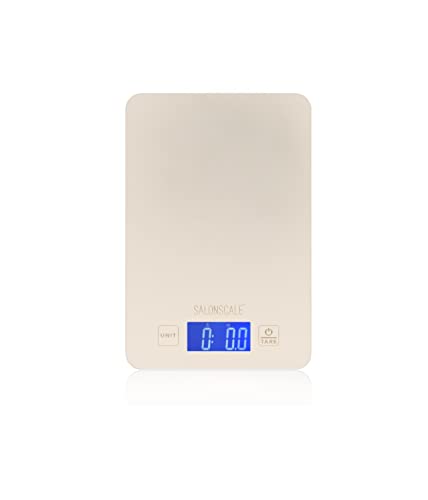
- ✓ Accurate and precise measurements
- ✓ Easy Bluetooth pairing
- ✓ Sleek, professional look
- ✕ Subscription not included
- ✕ Slightly pricey
| Weight Capacity | Up to 10kg (22 lbs) |
| Measurement Units | Grams and ounces |
| Connectivity | Bluetooth wireless connection |
| Display Type | Digital LCD screen |
| Material | Stainless steel platform |
| Power Source | Rechargeable battery with USB charging |
As soon as I unboxed the SalonScale Hair Scale Linen, I was struck by its sleek, minimalist design. The linen surface feels smooth but sturdy, with a subtle matte finish that’s easy to wipe clean.
It’s surprisingly lightweight, so moving it around the salon is effortless.
The Bluetooth feature instantly caught my attention. Syncing it with my phone was quick and straightforward, thanks to a clear setup process.
The digital display is bright and easy to read, even in a busy salon environment. I appreciated how precise the weight measurements felt—down to the gram, which is perfect for mixing hair color accurately.
Using it during color formulation, I found the scale to be super responsive. It handled powders and liquids without any fuss—no wobbling or slipping.
The surface is large enough to accommodate different container sizes, making the process seamless. Plus, the tactile buttons are well-placed and have a satisfying click when pressed.
One thing I noticed is that the subscription isn’t included, so you’ll need to opt in for the full app features. Also, at $70, it’s a bit of an investment, but considering how much it streamlines color mixing, it’s worth it.
Overall, it feels durable and professional, a real upgrade for any stylist looking to reduce waste and boost precision.
What Is the Hair Color Scale and How Is It Used?
Best practices for utilizing the hair color scale include thorough consultations between the stylist and client to determine the most suitable color based on skin tone, personal style, and maintenance preferences. Additionally, colorists should always perform strand tests to preview how the selected shade will interact with the client’s hair type and existing color. Regular education and training on the latest hair color trends and techniques can further enhance the effectiveness of the hair color scale in achieving beautiful, vibrant results.
What Are the Different Levels in the Hair Color Scale?
The hair color scale typically ranges from 1 to 10, with each level representing a different shade of hair color.
- Level 1: This level represents the darkest hair color, which is black. It has no lightness and can appear almost blue-black under certain lighting conditions.
- Level 2: Dark brown is designated as level 2, featuring rich, deep tones that create a strong contrast against lighter shades. It often has subtle warm or cool undertones, making it versatile for various styles.
- Level 3: Level 3 is characterized by medium brown hair. This shade is often described as a balanced brown that can lean slightly warm or neutral, appealing to those seeking a natural look.
- Level 4: Dark chestnut or dark ash brown falls under level 4. This color has a more muted and sophisticated appearance, making it a popular choice for those wanting depth without going too dark.
- Level 5: Level 5 represents medium ash brown, which tends to have gray or cool undertones. This shade can create a softer look and is great for adding dimension to hairstyles.
- Level 6: Light brown is classified as level 6. This color is warm and inviting, often used to create a sun-kissed effect or as a base for highlights and balayage techniques.
- Level 7: Level 7 is known as dark blonde. This shade has a golden or honey finish, perfect for those transitioning from brown to blonde while still retaining some depth.
- Level 8: Light blonde is categorized as level 8, featuring bright, sunny hues. This color is often sought after for its vibrant and cheerful appearance, making it a favorite among those wanting a lighter look.
- Level 9: Very light blonde is level 9, which can have platinum or icy tones. This level is ideal for those aiming for a striking, high-impact blonde that captures attention.
- Level 10: This level represents the lightest possible shade, often referred to as extra light blonde. It can appear almost white, and is typically achieved through intense bleaching processes, making it a bold choice for those seeking an ultra-light look.
How Do Numbers and Letters Represent Hair Color Levels?
Hair color levels are represented using a combination of numbers and letters, each indicating specific shades and tones.
- Level Numbers: Levels are typically numbered from 1 to 10, where 1 represents the darkest black and 10 signifies the lightest blonde.
- Natural vs. Artificial Letters: Letters such as N for natural, C for cool, and W for warm are used to denote the underlying tones present in the hair color.
- Neutral Shades: Neutral shades are often represented with a combination of numbers and letters, indicating a balance of warm and cool tones, commonly denoted as ‘N’ or ‘Neutral’ in color charts.
- Highlighting and Lowlighting: Numbers are also used in highlighting and lowlighting trends, indicating lighter or darker shades relative to the base color level.
- Color Depth: The depth of a color can be further defined by adding decimal points or fractions to the level numbers, providing a more precise representation of shades.
Level Numbers are essential in categorizing hair colors based on their depth, where darker shades fall into lower numbers and lighter shades into higher ones. For instance, a level 3 is a dark brown, while level 8 is a light blonde. This system helps stylists communicate effectively about desired hair colors.
Natural vs. Artificial Letters provide insight into the hair’s tone beyond just its depth. For example, a color labeled as 5N indicates a medium brown with natural undertones, whereas 6C might describe a dark blonde with cool undertones, aiding in achieving the right hue and finish.
Neutral Shades are particularly popular for those seeking a versatile look that doesn’t lean too heavily on warm or cool tones. These shades are often used to create a more balanced appearance, and they are widely sought after for their ability to complement various skin tones.
Highlighting and Lowlighting techniques utilize the numbering system to enhance natural hair color. A stylist might choose a level 6 to lighten a level 4 base for highlights, ensuring the contrast is visually appealing and harmonious.
Color Depth can be described in greater detail with decimal points, such as level 6.3, which signifies a medium blonde with a specific warmth. This level of detail allows for customized hair color formulations that meet individual client preferences, resulting in a more personalized hair coloring experience.
Why Is Understanding the Hair Color Scale Essential for Hair Coloring?
Understanding the hair color scale is essential for hair coloring because it provides a standardized framework for determining the natural and artificial colors of hair, which is crucial for achieving the desired results in hair dyeing.
According to the American Board of Certified Haircolorists, the hair color scale ranges from 1 (black) to 10 (lightest blonde), helping professionals and consumers alike to communicate effectively about hair color choices and expectations. This standardized system allows for a consistent approach to color application, making it easier to select the appropriate dye for a specific hair type and desired outcome.
The underlying mechanism involves the interaction between the hair’s natural pigments (eumelanin and pheomelanin) and the artificial pigments in hair dye. Each level on the hair color scale corresponds to a specific concentration of these pigments, affecting how the dye will appear on the hair. For example, a level 4 (brown) hair will react differently to a level 7 (blonde) dye than a level 6 (dark blonde) hair, due to the differing amounts of underlying pigment. Misunderstanding this scale can lead to unexpected results, such as hair appearing too dark or too brassy after coloring.
Moreover, the hair color scale also plays a significant role in formulating color corrections and achieving the right tone. Colorists must consider not only the level but also the undertone, which affects the final appearance of the hair. For instance, a level 7 dye can have a warm, neutral, or cool tone, and knowing where a client’s natural color falls on the scale is crucial for mixing the right shades to counteract unwanted tones, such as orange or green. This highlights the importance of the hair color scale in professional settings, where precision is vital for client satisfaction and hair health.
What Factors Should Be Considered When Choosing a Hair Color from the Scale?
Choosing the best hair color involves several important factors:
- Skin Tone: Your skin tone significantly influences which hair colors will complement your overall appearance. Warm skin tones tend to look best with golden or reddish hues, while cool skin tones are enhanced by ash or cool colors.
- Eye Color: The color of your eyes can also play a crucial role in selecting a hair color. For instance, blue eyes often pair well with lighter shades, while darker shades can enhance brown or green eyes, creating a harmonious look.
- Natural Hair Color: Your current or natural hair color can affect how well a new color will take. For example, transitioning from dark to light may require bleaching, which can damage hair, whereas going darker often requires less processing and is generally easier to achieve.
- Maintenance Level: Some hair colors require more upkeep than others, especially vibrant shades or those that are significantly different from your natural color. Consider how much time and effort you are willing to invest in maintaining your hair color, as well as the frequency of touch-ups needed.
- Seasonal Trends: Hair color trends can vary by season, with lighter shades often favored in spring and summer and darker hues in fall and winter. Staying in tune with seasonal trends can help you choose a color that feels fresh and stylish at any time of year.
- Personal Style: Your personal style and lifestyle should influence your hair color choice. If you have a bold, adventurous style, you might opt for unconventional colors, while a classic look may call for more traditional shades that enhance your natural beauty.
- Hair Health: The condition of your hair should also be a consideration, as damaged or overly processed hair may not hold color well. It’s essential to assess your hair’s health before making a drastic color change to avoid further damage.
How Can You Effectively Use the Hair Color Scale to Achieve Your Desired Shade?
The hair color scale is a useful tool for achieving your desired shade with precision and clarity.
- Understanding the Levels: The hair color scale ranges from 1 to 10, where 1 represents black and 10 represents the lightest blonde. Each level corresponds to a specific depth of color, allowing you to identify how light or dark your desired shade should be.
- Knowing Undertones: Each hair color level also has underlying tones that can be warm, cool, or neutral. For instance, a level 7 can have golden, ash, or neutral undertones, and understanding these will help you select a shade that complements your skin tone.
- Using the Right Formulas: Different hair coloring products may have varying results based on the hair color scale. It’s important to choose formulas that align with your desired level and undertone, whether it’s a permanent dye, semi-permanent, or a toner.
- Consulting a Color Chart: Hair color charts visually represent the hair color scale and provide a comprehensive view of shades and their undertones. By referring to these charts, you can make more informed decisions and set realistic expectations for the outcome.
- Seeking Professional Advice: If unsure about how to navigate the hair color scale, consulting a professional stylist can provide personalized insights. They can assess your current hair color and suggest the best approach to achieving your desired shade while maintaining hair health.
What Common Misconceptions Exist About the Hair Color Scale?
Common misconceptions about the hair color scale can lead to confusion when selecting and categorizing hair colors.
- Misconception 1: Hair color scales are standardized across all brands: Many believe that all hair color brands use the same hair color scale, but this is not the case. Each brand may have its own interpretation of colors, which can result in different shades appearing under the same number or letter on the scale, leading to unexpected results when switching brands.
- Misconception 2: The hair color scale only includes natural shades: Some people think the hair color scale is limited to natural hues like blonde, brown, and black. However, the scale also encompasses a wide range of fashion colors, including vibrant shades such as blue, pink, and pastel tones, reflecting the versatility in hair coloring options.
- Misconception 3: The numbers on the hair color scale indicate darkness or lightness: Many assume that the numbers on the hair color scale represent the level of darkness or lightness in a linear manner. In reality, the first digit typically indicates the depth of the color (1 being black and 10 being lightest blonde), while additional digits may refer to tone or undertone, which can complicate the understanding of a color’s overall appearance.
- Misconception 4: All warm tones are the same: Another common belief is that all warm tones will look identical on the hair color scale. In truth, warm tones like golden, copper, and red can vary significantly in hue and vibrancy, which means the same hair color can look different based on the specific warm tone chosen.
- Misconception 5: Hair color scales are only necessary for professionals: Many people think that understanding the hair color scale is only essential for hairstylists. However, having knowledge of the hair color scale can greatly benefit anyone looking to dye their hair at home, as it helps in making informed decisions and avoiding undesirable outcomes.