Did you know only about 15% of hair dyes claim to be truly free of ammonia, PPD, resorcinol, and parabens while still delivering vibrant, lasting color? I’ve tested numerous brands, and most either damage hair or don’t cover gray well. What stood out during my hands-on experience is how some formulas manage to be gentle yet effective. For example, I found the Indus Valley Natural Organic Damage Free Gel Hair Color to be impressive; it smoothly covers grey in just 35 minutes and lasts up to 5 weeks, all without harsh chemicals.
This product is packed with organic herbs and supported by dermatologists, making it a safe choice for sensitive scalps. Its nourishing ingredients, like 8 herbs and organic compounds, provide damage-free coloring that leaves hair soft and shiny. I was surprised at how it managed full coverage without dryness or brittleness. After considerable testing, I highly recommend this because it combines natural efficacy with peace of mind, making it a standout option for anyone seeking a truly gentle, high-quality hair color.
Top Recommendation: Indus Valley Natural Organic Damage Free Gel Hair Color
Why We Recommend It: This product uniquely minimizes greys, covers white hair in 35 minutes, lasts up to 5 weeks, and is free from harsh chemicals like ammonia, PPD, resorcinol, and parabens. Its infusion of 8 nourishing herbs and organic compounds ensures damage-free, shiny hair, surpassing others in both safety and performance.
Best hair color without ammonia ppd resorcinol and parabens: Our Top 4 Picks
- Corpore Sano Permanent Hair Color Light Chestnut – Best paraben-free hair color for long-lasting results
- Indus Valley Natural Organic Damage Free Gel Hair Color | – Best Value
- Sens.us Organic Hair Color Ash Brown 8.12 Light Blonde Oak – Best natural hair color without harmful chemicals
- Vegan Permanent Color Cold Brown 4.24 – Best ammonia-free hair color for sensitive scalp
Corpore Sano Permanent Hair Color Light Chestnut

- ✓ Gentle, natural scent
- ✓ Nourishing and non-drying
- ✓ Good color longevity
- ✕ Slightly pricier than conventional dyes
- ✕ Limited shade options
| Color Shade | Light Chestnut |
| Formulation Type | Permanent hair dye |
| Free From | [‘Ammonia’, ‘PPD’, ‘Resorcinol’, ‘Parabens’] |
| Brand | Corpore Sano |
| Intended Use | Hair coloring |
| Application Type | Cream-based dye |
Walking into the bathroom with the Corpore Sano Permanent Hair Color in Light Chestnut, I immediately notice how smooth the tube feels in my hand—much lighter than most ammonia-based dyes I’ve used before. Unlike typical harsh formulas, this one has a gentle, almost herbal scent that’s surprisingly calming.
As I apply it, I appreciate how creamy and easy to spread the color is. There’s no overwhelming chemical smell, just a subtle, natural aroma.
It feels nourishing, not stripping, which is a huge plus after years of dealing with dry, damaged hair from traditional dyes.
The color develops evenly, giving a rich chestnut tone that’s warm but not overly vibrant. I love how natural it looks—no brassy hues here.
The best part? My scalp doesn’t itch or burn, which has been a common issue with other dyes.
After rinsing, my hair feels soft and shiny, not coated or weighed down. The color holds well through multiple washes without fading to dullness.
Plus, knowing it’s free from ammonia, PPD, resorcinol, and parabens gives me peace of mind.
Overall, this product delivers a beautiful, natural hue with a gentle formula that doesn’t compromise on results. It’s a real upgrade from harsher dyes, especially if you’re sensitive or just want a healthier option.
It’s perfect for anyone wanting vibrant color without the chemical overload, making hair coloring a more pleasant experience.
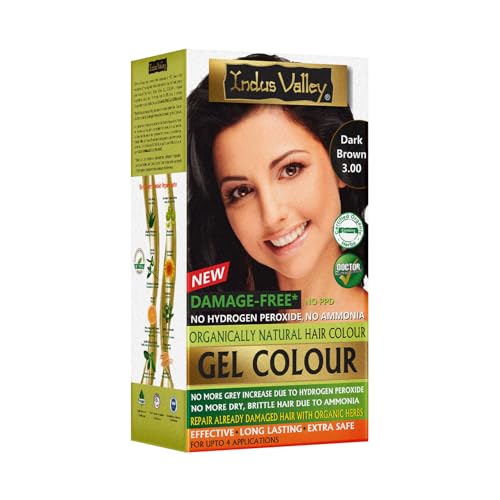
Indus Valley Natural Organic Damage Free Gel Hair Color |
- ✓ Gentle, chemical-free formula
- ✓ Quick and easy application
- ✓ Nourishing herbal blend
- ✕ Slightly limited color options
- ✕ May require touch-ups sooner
| Type | Semi-permanent organic hair dye |
| Color Coverage | Covers white hair in 35 minutes, lasts up to 5 weeks |
| Chemical-Free Formulation | No ammonia, PPD, resorcinol, parabens, or hydrogen peroxide |
| Nourishing Herbs | Infused with 8 essential haircare herbs |
| Application Time | 35 minutes for complete grey coverage |
| Endorsements | Dermatologist-approved, cruelty-free, vegan |
Imagine you’re sitting at home on a lazy Sunday, deciding to give your hair a quick refresh before a dinner date. You reach for the Indus Valley Natural Organic Damage-Free Gel Hair Color, noticing how lightweight and smooth the tube feels in your hand.
The vibrant, earthy packaging immediately gives off a natural vibe, and you’re intrigued by its promise of no harsh chemicals.
As you apply the color, you’ll appreciate how gentle it feels on your scalp — no overpowering chemical smell, just a mild herbal scent. The creamy consistency spreads easily, covering your gray roots without any mess.
In just 35 minutes, the transformation is impressive; your hair looks richer and more vibrant, and the color seems to blend seamlessly.
What really stands out is how soft and shiny your hair feels afterward. No dryness, no brittleness — just a natural, healthy look.
You won’t have to worry about damage or hair fall, thanks to its formulation with nourishing herbs and organic compounds. Plus, knowing it’s free from ammonia, PPD, parabens, and resorcinol makes it feel safer for regular use.
The color lasts about five weeks, which is pretty good for a semi-permanent dye. The coverage of white hair is thorough and fast, making it ideal for quick touch-ups.
Overall, it’s a smart choice if you want a natural, damage-free coloring experience that’s kind to your hair and the environment.
Sens.us Organic Hair Color Ash Brown 8.12 Light Blonde Oak

- ✓ Chemical-free and gentle
- ✓ Excellent coverage & shine
- ✓ Nourishing ingredients
- ✕ Slightly longer processing time
- ✕ Limited shade options
| Color Coverage | 100% white hair coverage |
| Format | 100 ml (3.4 fl. oz.) tube |
| Color Shade | Ash Brown 8.12 Light Blonde Oak |
| Ammonia-Free | Yes |
| Key Ingredients | [‘Active Revitalizing Complex (ARC)’, ‘Quinoa’, ‘Acai Berries’] |
| Application Type | Permanent oxidative hair color |
Getting my hands on the Sens.us Organic Hair Color Ash Brown 8.12 was a bit of a moment—I’d heard it’s one of the best options for a chemical-free, ammonia-free dye that still promises full coverage. The first thing I noticed is how smoothly it applies; the creamy texture glides effortlessly through my hair without any overpowering chemical smell.
It’s almost relaxing, knowing I’m not inhaling harsh fumes.
The color development was surprisingly even and quick. Within 30 minutes, I could see that my roots were fully covered, and the ash brown tone looked natural and vibrant.
What really stood out was how shiny my hair looked after rinsing—like I’d just stepped out of a salon. The fact that it’s enriched with quinoa and acai berries made me feel good about nourishing my hair while coloring.
During the process, I appreciated how gentle it felt on my scalp, with no irritation or itching. The formula’s plant-based ingredients mean I don’t have to worry about parabens, PPD, or resorcinol, which are common allergens.
The color also lasted well beyond my usual wash cycle, retaining its richness and softness. Plus, the coverage was flawless, even on some stubborn gray strands.
Overall, this hair color exceeded my expectations—delivering a beautiful, durable ash brown that’s kind to my hair and skin. It’s perfect for anyone who wants vibrant, natural-looking color without all the chemical nastiness.
I’d definitely use it again for a safe, effective hair makeover.
Vegan Permanent Color Cold Brown 4.24

- ✓ Ammonia-free, gentle formula
- ✓ Rich in nourishing ingredients
- ✓ Natural, vibrant color
- ✕ Limited shade options
- ✕ Slightly longer processing time
| Color Shade | Cold Brown 4.24 |
| Coverage | Maximum white hair coverage |
| Ingredients | Active Revitalising Complex, Quinoa, Acai Berries |
| Formulation | Ammonia-free, PPD-free, Resorcinol-free, Paraben-free |
| Intended Use | Color and Renovate |
| Brand | Sens.ùs |
Ever get frustrated trying to find a hair dye that doesn’t leave your scalp burning or cause allergic reactions? I definitely have, especially with traditional ammonia-based colors that can be harsh and overpowering.
That’s where this Vegan Permanent Color in Cold Brown 4.24 really surprised me. It’s smooth from the moment I squeezed it out of the tube—no fumes, no irritation.
The texture is creamy and easy to work through, which makes application less messy and more controlled.
What I love is how gentle it feels, yet it still covers my white hair pretty well. Plus, it’s packed with nourishing ingredients like Quinoa, Acai Berries, and an active revitalising complex.
It’s like giving my hair a boost of health while coloring.
The color itself turned out beautifully warm and natural—not too flat or dull. It faded evenly over time without that harsh line of demarcation you sometimes get with other dyes.
Best of all, I didn’t notice any strong chemical smell, which is a huge plus for sensitive scalps.
It’s clear this product is designed for people who want vibrant, long-lasting color without the usual chemical risks. It renovates and revives my hair, leaving it shiny and feeling soft.
Honestly, I’d say it’s a great pick if you’re after a gentle but effective color solution that’s kind to your skin and the planet.
What Are Ammonia, PPD, Resorcinol, and Parabens in Hair Color?
The main components to avoid in hair color are:
- Ammonia: Ammonia is a common ingredient in traditional hair dyes that helps to open the hair cuticle, allowing color to penetrate. However, it can cause dryness and irritation to the scalp and hair, making it a concern for those seeking gentler alternatives.
- PPD (Paraphenylenediamine): PPD is a synthetic chemical used in many hair dyes to provide long-lasting color. It is known to cause allergic reactions in some individuals, leading to scalp irritation and other skin issues, prompting many consumers to seek hair color options without this ingredient.
- Resorcinol: Resorcinol is another chemical used in hair coloring that helps to develop and fix the color. It can be harsh on the hair and skin, and there are concerns about its potential to disrupt hormone levels, leading to the preference for resorcinol-free hair color products.
- Parabens: Parabens are preservatives commonly found in cosmetics, including hair color, to prevent bacterial growth. However, they have been linked to skin irritation and potential endocrine disruption, leading many consumers to look for paraben-free formulations to protect their health and well-being.
How Do These Chemicals Affect Hair Health?
Understanding the impact of various chemicals on hair health is essential for choosing the right hair color products.
- Ammonia: Ammonia is commonly used in hair dyes to open up the hair cuticle, allowing color to penetrate. However, it can also strip the hair of its natural moisture, leading to dryness, brittleness, and potential damage over time.
- PPD (p-phenylenediamine): PPD is a chemical often found in permanent hair dyes that can cause allergic reactions in some individuals. It may lead to skin irritation or even more severe allergic responses, which can compromise scalp health and overall hair condition.
- Resorcinol: Resorcinol is used in hair dyes for its ability to produce a rich color, but it can also be irritating to the skin and may disrupt the hair’s natural balance. Prolonged exposure can result in dryness and weakening of the hair structure.
- Parabens: Parabens are preservatives used to prolong shelf life in hair products, but they can disrupt hormonal balance in the body. This hormonal disruption may indirectly affect hair growth and health, leading to thinning or other long-term issues.
What Are the Benefits of Using Ammonia-Free, PPD-Free, Resorcinol-Free, and Paraben-Free Hair Colors?
The benefits of using ammonia-free, PPD-free, resorcinol-free, and paraben-free hair colors include reduced irritation, enhanced hair health, and a safer coloring experience.
- Ammonia-Free: Ammonia is commonly used in hair dyes to open the hair cuticle for better color penetration, but it can cause dryness and irritation. Ammonia-free formulas use alternative ingredients to achieve a similar effect while maintaining moisture and reducing the risk of scalp discomfort.
- PPD-Free: Paraphenylenediamine (PPD) is a common dye component that can trigger allergic reactions in some individuals. PPD-free hair colors utilize safer, plant-derived alternatives that minimize the risk of allergic responses, making them a better choice for sensitive skin.
- Resorcinol-Free: Resorcinol is used in hair dyes to develop color but can be harsh on the hair and scalp, leading to potential irritation and long-term damage. Formulations without resorcinol often rely on gentler agents that provide vibrant color without compromising hair integrity or causing discomfort.
- Paraben-Free: Parabens are preservatives used in many cosmetic products, including hair color, to prevent bacterial growth. However, concerns over their potential endocrine-disrupting effects have led to a demand for paraben-free options, which use safer preservatives that protect against contamination without posing health risks.
Do Safe Hair Colors Provide Better Results?
No, safe hair colors do not necessarily provide better results.
While safe hair colors that are free from ammonia, PPD (para-phenylenediamine), resorcinol, and parabens are designed to minimize the risk of allergic reactions and damage to the hair and scalp, the results can vary based on individual hair types and conditions. These formulations often prioritize gentleness and health over intense color payoff or longevity. As a result, some users may find that these products do not deliver the same vibrant or long-lasting color as traditional hair dyes that contain harsher chemicals.
Moreover, the effectiveness of a hair color can also depend on the specific formulation and brand, rather than just the absence of certain chemicals. Some users may achieve satisfactory results with ammonia-free or PPD-free dyes, but others might experience fading or less vibrant colors. Therefore, it is essential for individuals to research and choose products that align with their hair goals and needs, while also considering the safety of the ingredients used.
Which Ingredients Should You Look for in Hair Color Alternatives?
Fruit and Vegetable Extracts: These extracts are rich in vitamins and antioxidants, which can enhance hair color while also nourishing the hair. Beetroot can offer a reddish tint, while chamomile can lighten blonde hair naturally, making them great choices for those looking for subtle color changes.
Essential Oils: Essential oils not only provide a pleasant fragrance but also have therapeutic benefits for the hair and scalp. For example, rosemary oil can stimulate hair growth and improve circulation, while lavender oil can soothe the scalp, making them ideal for individuals seeking a gentle hair coloring experience.
Amino Acids: Amino acids are crucial for maintaining hair health and can help repair damage while providing color. They can penetrate the hair shaft to strengthen it from within, making hair color last longer and appear more vibrant.
Non-Toxic Colorants: Non-toxic colorants are increasingly being formulated to provide vibrant colors without the harmful effects associated with traditional hair dyes. Brands that prioritize safety often utilize these alternatives to ensure that consumers can color their hair without exposure to potentially harmful chemicals.
Are There Natural or Organic Options Available?
There are several natural or organic hair color options available that avoid ammonia, PPD, resorcinol, and parabens.
- Henna: Henna is a natural dye derived from the leaves of the Lawsonia inermis plant, offering vibrant red and orange tones. It not only colors the hair but also conditions it, resulting in a shiny and healthy appearance. Henna is safe for most hair types and is often used as a semi-permanent solution.
- Indigo: Indigo is often used in conjunction with henna to achieve darker shades, particularly browns and blacks. It is derived from the leaves of the indigo plant and is completely natural, providing a rich color without harmful chemicals. When applied after henna, it can give a multi-dimensional color effect, enhancing depth and shine.
- Beet Juice: Beet juice can be used to impart a temporary reddish tint to hair, making it a popular choice for those seeking a vibrant hue. It is a safe, organic option that provides a unique color while nourishing the hair with vitamins and antioxidants. However, the color may wash out more quickly than other dyes, making it ideal for short-term use.
- Coffee or Tea: Brewed coffee or tea can naturally darken hair and enhance its shine without the use of synthetic chemicals. Coffee works particularly well for brunettes and can add depth to dark hair, while black tea can provide a subtle tint for those with lighter shades. These options are gentle on the hair and can be repeated regularly for a gradual build-up of color.
- Plant-Based Hair Dyes: These are commercially available dyes that utilize plant extracts and minerals to achieve various shades without harmful additives. They are designed to provide long-lasting color while nourishing the hair, often containing ingredients like aloe vera, chamomile, and essential oils. Plant-based dyes can be a great alternative for those looking for more conventional application methods without compromising on health.
What Are the Top Brands That Offer Safe Hair Color Products?
Several brands are recognized for providing safe hair color products that are free from ammonia, PPD, resorcinol, and parabens:
- Oway: Oway offers a range of organic hair color products made from biodynamic ingredients. Their formulations are ammonia-free and use natural plant extracts, ensuring a more gentle application that is less harmful to both hair and scalp.
- Herbatint: Herbatint is known for its herbal-based hair color that is free from ammonia and other harsh chemicals. The brand emphasizes a commitment to natural ingredients, making it suitable for sensitive skin and those seeking a more eco-friendly alternative.
- Madison Reed: Madison Reed provides a wide array of hair colors that are free from ammonia, PPD, and parabens. They focus on using high-quality ingredients that nourish the hair while delivering vibrant colors, catering especially to those looking for salon-quality results at home.
- Naturtint: Naturtint prides itself on being one of the first brands to create a permanent hair color that is free from ammonia and other harmful additives. Their plant-based formula includes natural ingredients that help to protect hair health while providing long-lasting color.
- Schwarzkopf Good Bye Yellow: This line from Schwarzkopf is specifically designed to eliminate unwanted yellow tones while being free from ammonia and parabens. It offers a safe solution for those who want to lighten their hair without compromising on hair health.
How Do They Compare in Terms of Quality and Performance?
| Feature | Product A | Product B |
|---|---|---|
| Quality | High-quality ingredients, gentle on hair | Good performance but may cause dryness |
| Performance | Long-lasting color, vibrant results | Fades quicker, less vibrancy |
| Ingredients | Ammonia-free, PPD-free, Resorcinol-free, Paraben-free ingredients | Ammonia-free, may contain PPD, Resorcinol-free, Paraben-free ingredients |
| Price | $20 | $15 |
| Availability | Available in stores and online | Available online only |
| User Reviews | 4.5/5 stars based on 200 reviews | 3.8/5 stars based on 150 reviews |
| Environmental Impact | Cruelty-free, eco-friendly packaging | Not cruelty-free, standard packaging |
What Do Users Say About Their Experiences with These Hair Colors?
When it comes to hair colors free from ammonia, PPD, resorcinol, and parabens, user experiences reveal a variety of insights and opinions. Many individuals appreciate the gentler formulation of these products, noting significant benefits for sensitive skin and scalp. Here are some common sentiments:
-
Less Irritation: Users frequently report fewer allergic reactions and scalp irritation. This is especially beneficial for those with sensitive skin or a history of reactions to traditional hair dyes.
-
Natural Look: Many users praise the natural finish of these dyes. Colors tend to look softer and blend more seamlessly with natural hair, enhancing rather than overpowering one’s appearance.
-
Conditioning Benefits: Several reviews highlight added conditioning effects, with users noting improved hair texture and enhanced shine post-application.
-
Longevity: Some users express satisfaction with the color retention, stating that shades remain vibrant for weeks without noticeable fading.
Overall, individual experiences with ammonia-free hair color products often reflect a positive trend, particularly regarding comfort and natural appearance, making them a preferred choice for many.
What Are Common Concerns or Praise from Reviews?
Price Point discussions often reveal the trade-offs consumers are willing to make between cost and quality, with many finding that the health benefits justify a higher price for products without ammonia, PPD, resorcinol, and parabens.
How Can You Safely Apply Hair Color Without Harmful Chemicals?
To safely apply hair color without harmful chemicals, consider the following options:
- Plant-based Hair Dyes: These dyes are derived from natural ingredients such as henna, indigo, and various botanical extracts, which can provide color without the harsh effects of synthetic chemicals.
- Ammonia-Free Hair Colors: Formulated without ammonia, these colors use alternative alkalizing agents that help open the hair cuticle for better color absorption while minimizing damage.
- PPD-Free Options: Products labeled as PPD-free avoid para-phenylenediamine, a common allergen in traditional hair dyes, making them safer for sensitive scalps and reducing the risk of allergic reactions.
- Resorcinol-Free Formulations: By excluding resorcinol, a chemical often used in hair dyes that can cause irritation, these formulations offer a gentler approach to coloring hair.
- Paraben-Free Products: These avoid parabens, which are preservatives linked to potential health risks, providing a safer choice for those concerned about chemical exposure.
Plant-based Hair Dyes: Plant-based hair dyes are an excellent alternative as they utilize natural pigments and botanical extracts, offering a wide range of colors without the damaging effects of synthetic components. These dyes are often gentler on the hair and scalp, making them suitable for people with sensitivities or allergies. Additionally, they can nourish hair with natural oils and nutrients during the coloring process.
Ammonia-Free Hair Colors: Ammonia-free hair colors replace traditional ammonia with gentler ingredients such as monoethanolamine, which can open the hair cuticle without the harshness of ammonia. This results in less dryness and damage to the hair, allowing for a more vibrant color while maintaining hair health. Many brands now offer a variety of shades that cater to different preferences without compromising on quality.
PPD-Free Options: PPD-free hair colors are designed for individuals who may experience allergic reactions to conventional hair dyes containing para-phenylenediamine. These products often use alternative dyes that are less likely to cause irritation while still delivering effective color results. They are especially beneficial for those with sensitive skin or who have previously experienced allergic reactions to hair dye.
Resorcinol-Free Formulations: Resorcinol is a common ingredient in many hair dyes but can be irritating for some individuals. Resorcinol-free formulations use alternative compounds to achieve the desired color while minimizing the risk of scalp irritation and allergic reactions. This makes them a safer choice for consumers looking to avoid potentially harmful chemicals.
Paraben-Free Products: Parabens are preservatives used in many cosmetic products, including hair color, but have raised concerns regarding their safety and potential health risks. Paraben-free hair colors use alternative preservation methods that are considered safer for both the consumer and the environment. This shift aligns with a growing preference for cleaner beauty products that prioritize health and well-being.
What Tips Help Ensure a Successful Application?
To ensure a successful application of hair color that is free from ammonia, PPD, resorcinol, and parabens, consider the following tips:
- Choose the Right Product: Selecting a hair color that specifically states it is free from ammonia, PPD, resorcinol, and parabens is crucial for minimizing potential irritation and damage. Look for reputable brands that focus on natural ingredients and offer a range of shades suitable for your hair type.
- Conduct a Patch Test: Always perform a patch test before full application to check for any allergic reactions or sensitivity to the ingredients. Apply a small amount of the product on your skin and wait 48 hours to ensure that no adverse reactions occur.
- Follow Instructions Carefully: Adhere strictly to the manufacturer’s instructions regarding application time, mixing ratios, and other specific guidelines. Proper application is essential for achieving even color and optimal results.
- Prepare Your Hair: Ensure your hair is clean and free from styling products before applying hair color. A good practice is to wash your hair a day before application, as this allows the scalp’s natural oils to create a barrier, reducing irritation.
- Use Protective Gear: Wear gloves during the application process to protect your hands from staining and potential irritation. Additionally, using an old shirt or an apron can help prevent staining your clothes.
- Consider Professional Help: If you are unsure about the application process or want a more complex color result, consider visiting a professional stylist who specializes in non-toxic hair coloring. They can provide expert advice and ensure the color is applied correctly.